The Story
Why it exists.
The beginning
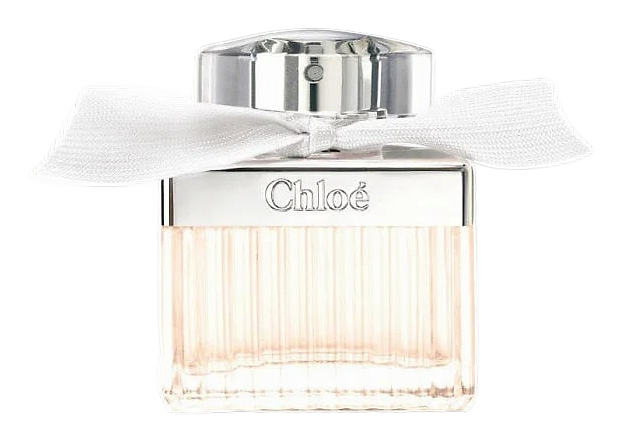
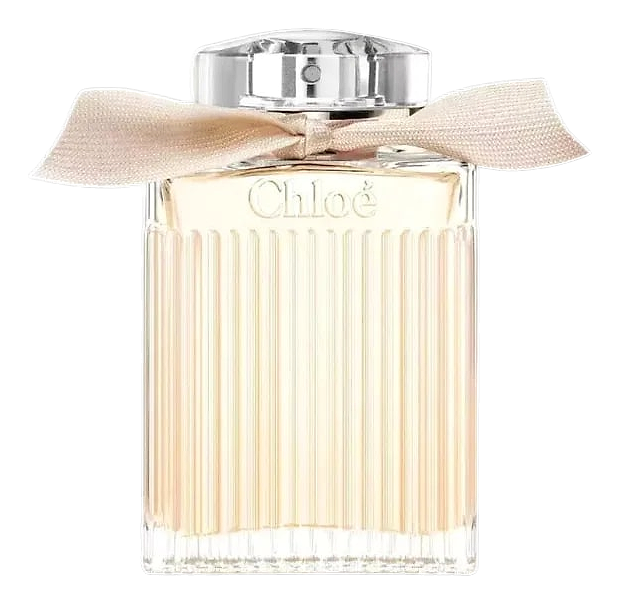
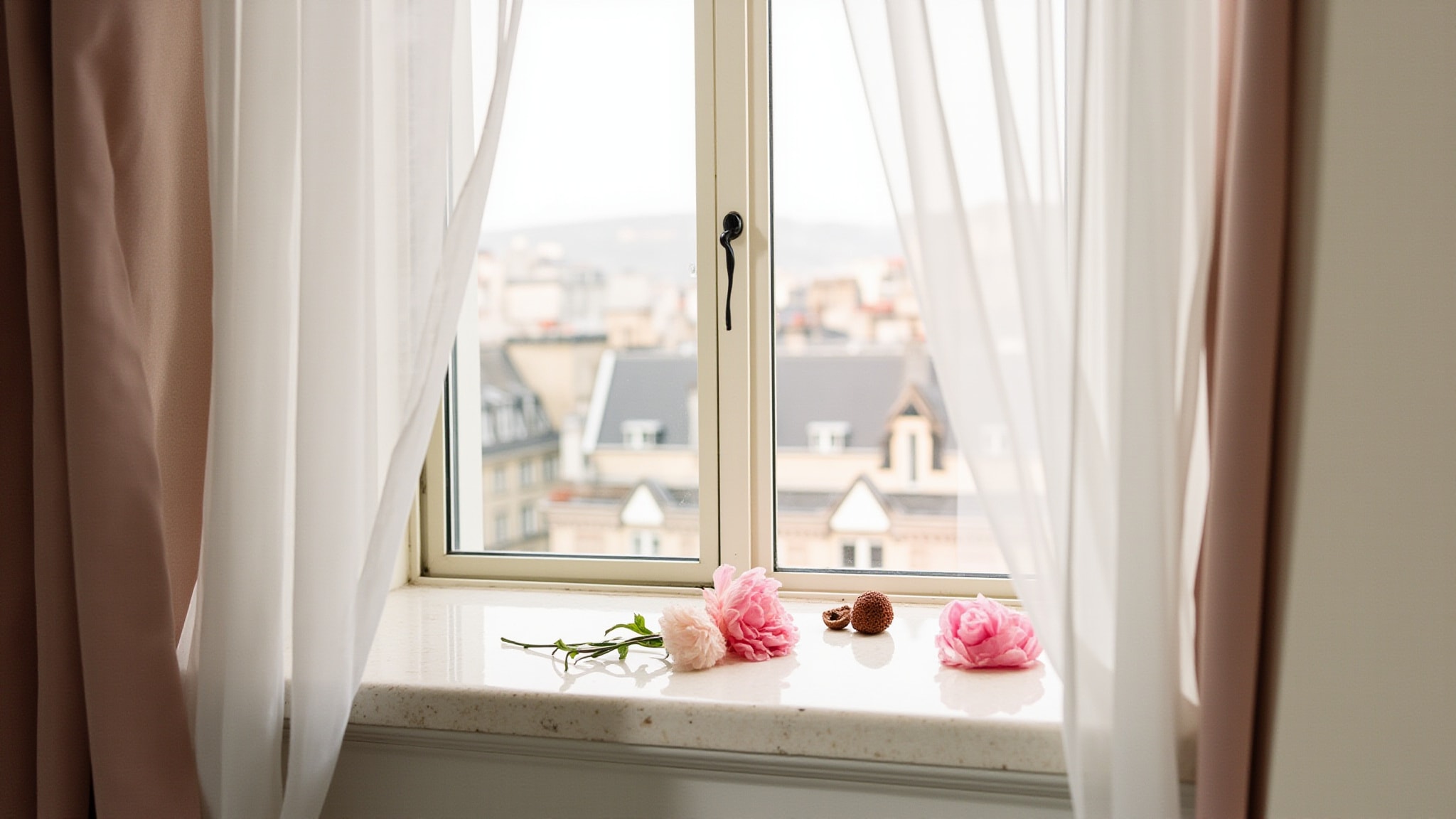
Chloé Eau de Parfum arrived in 2007, composed by Michel Almairac with Amandine Clerc-Marie. Almairac reached for the airy side of the perfumer's palette, peony and freesia for the opening snap, lychee for the fruity whisper underneath. The composition stays in clean, luminous territory from the first spritz to the last trace. Just clean light, nothing heavy pulling it downward. The bottle was designed by Patrick Veillet, and the shape carries the same logic as the scent inside, something meant to feel considered but never overworked. Released under Coty's stewardship of the Chloé beauty house, this was the fragrance meant to capture a particular kind of ease, the kind of woman who wears perfume for herself and rarely for anyone else's approval.
What makes this composition quietly clever is the restraint. Rose appears, yes, but lily of the valley and magnolia do most of the lifting, which keeps the whole thing from tipping into something denser or more traditional. The lychee in the top is doing more work than it seems. It's what gives the opening that dewy, almost-skin scent, a fruit note that reads less like fruit and more like the moment after a shower. The base is cedarwood and amber, nothing heavier.
The evolution
The first fifteen minutes are bright, almost effervescent. Peony and freesia crack open with a green-white snap, and the lychee flickers underneath like light off water. Then it transitions, and this is where the composition shows its hand. The florals don't bloom louder, they soften. Rose arrives, but quiet, not a dense or syrupy version of itself. This is rose as suggestion, as the memory of a rose garden in cool air. Magnolia adds a creamy, lemony sweetness, and lily of the valley does what it always does, lifts everything into something weightless. The drydown takes its time. Two hours in, the cedarwood starts to emerge, woody but pale, present but never sharp. The amber warms the base, amber-light, not the dense resinous kind. As the hours pass, the composition keeps its composure, still readable, still soft, still unmistakably itself.
Cultural impact
When it landed in 2007, Chloé Eau de Parfum arrived as a sheer, powdery floral that asked nothing of the room and gave everything to the wearer. It became a fixture of the late 2000s fragrance landscape, a bottle many people came to recognize on sight. Nearly two decades later, it still reads as current, which is rare for a composition old enough to have a generation of devoted wearers behind it. Its quiet confidence and its refusal to shout are part of what has kept it relevant, and it remains a reference point for the kind of soft, modern floral that followed in its wake.