The Story
Why it exists.
The beginning
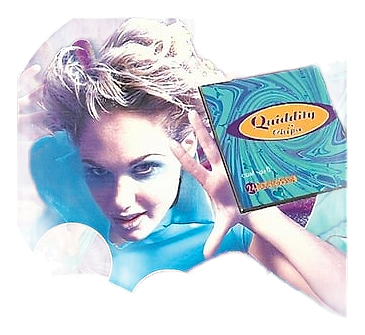
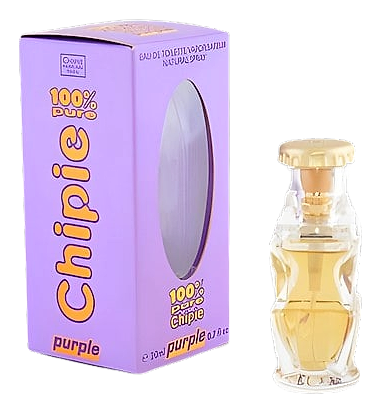
Quiddity Dark Fire arrived in 1997, when Chipie was building a colorful, rule-bending fragrance wardrobe rather than chasing one house signature. Karen Wilson de Roze composed this darker turn of the Quiddity idea: an oriental fragrance for women built around amber, fruit, patchouli, and floral notes. The name makes the intent plain. Dark Fire promises heat, while the composition keeps its tongue-in-cheek 1990s streak, pairing sweetness with earthy depth and a synthetic-green lift. There are no documented ingredient origins or a named muse behind it, so the safest and most vivid starting point is the contrast at its center.
The unusual part is how easily the broad note families pull against one another. Fruity Notes bring brightness and appetite, Floral Notes soften the edges, and Patchouli grounds both in damp soil and dark wood. Amber then catches that earthy base and turns it warm, sweet, and slightly resinous. Add the Synthetic Green accord and the result feels less neat than a conventional floral, more pointed and modern. It is a composition built around friction, sweetness against shadow, with enough color to feel distinctly Quiddity.
The evolution
On skin, the first impression is bright fruit threaded with a cool, synthetic-green sheen. Floral notes soften that opening without taking away its restless edge. As the scent warms, Amber becomes the main event, glowing against Patchouli rather than sitting politely beside it. The fruit reads sweeter during the middle stretch, while florals lend a powdery, dressed-up quality. Patchouli appears to outlast the brighter material, leaving the final hours earthy, warm, and faintly resinous. By evening, the profile resembles dark wood, warmed fruit, and skin warmed close to amber. Expect a moderate 4-6 hour wear, with moderate sillage that stays noticeable without becoming a room-changing statement.
Cultural impact
Quiddity Dark Fire belongs to Chipie's 1990s mood of playful, nonconformist fragrance design, when names and packaging could be as conceptual as the scent itself. Its appeal lies in that era's appetite for contrast: a dark, earthy oriental profile with bright fruit and a synthetic-green edge. It suits the kind of wearer who treats fragrance as attitude, especially after dark.
The House
ChipieChipie emerged as a distinctive fragrance label during the 1990s, releasing a series of scents that ranged from fruity florals to bolder orientals. The brand operated primarily during that decade, producing notable fragrances under both the Chipie and Quiddity collections. Rather than adhering to a single olfactory identity, Chipie seemed to embrace variety, with its flankers and spin-offs exploring different color-coded concepts, particularly in its later Pure Chipie line. The brand found its footing in a period when fragrance houses were experimenting with playful naming conventions and positioning strategies, carving out space in the market through scents that appealed to younger demographics and those seeking accessible yet memorable fragrances.
The Creator
Karen Wilson de RozeThe Quiddity collection gives us our clearest window into her style. Both Cool Spell and Dark Fire suggest a perfumer who favors complexity over simplicity, who builds fragrances that reveal new dimensions over time rather than making a single bold statement and retreating.