
The Story
Why it exists.
The beginning
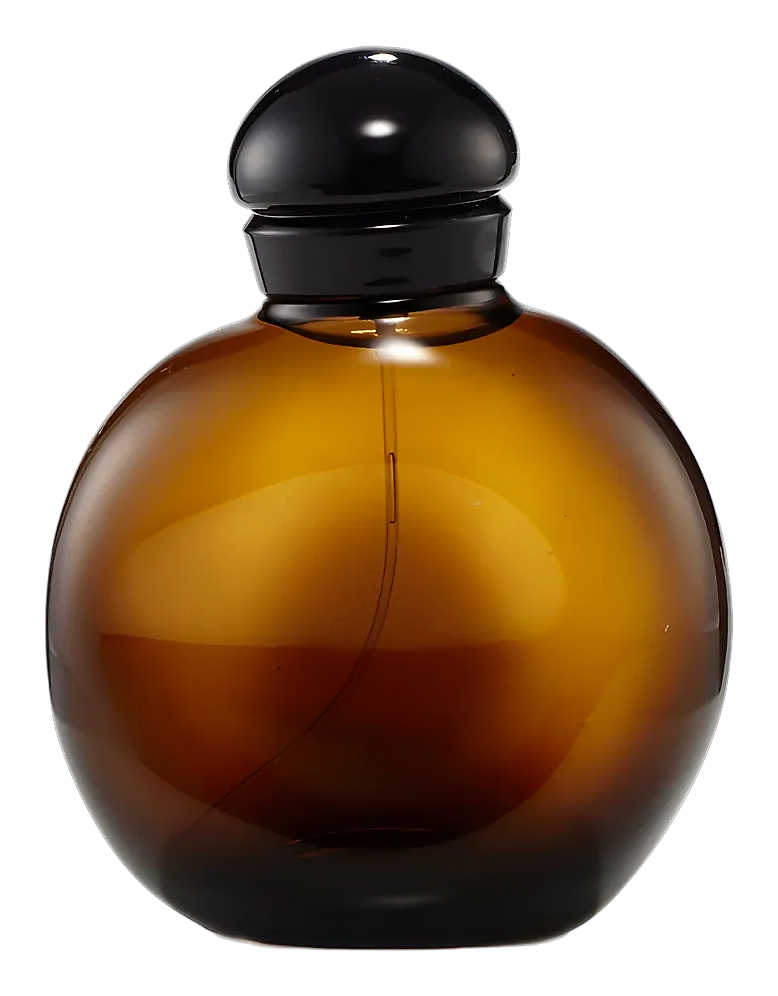
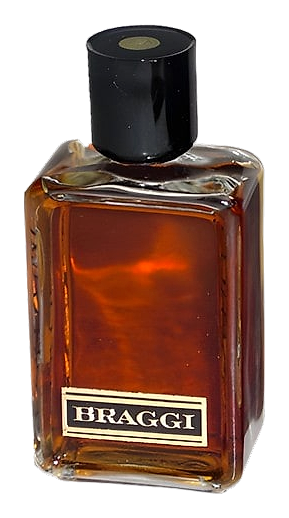
Charles Revson believed perfume should mirror the present, not borrow European fantasies. When Braggi launched in 1966, it arrived as part of that philosophy, a leather chypre built for presence and duration rather than polite charm. While other houses chased refinement, Revson's American fragrance branch pursued something realer. Braggi became that argument, distilled into cologne form.
The oakmoss base is what makes this structure work. In any leather chypre, oakmoss is the load-bearing wall, that green, bitter, slightly damp note that gives the genre its skeleton. Braggi puts oakmoss front and center, letting it breathe across the full wearing rather than vanishing after the opening. The woody notes and patchouli support that arch, keeping oakmoss audible without overwhelming. It's a masculine composition in the oldest sense, no florals, no sweetness, just the interplay of green, earthy, and warm.
The evolution
The opening is brief. Citrus sparkles for a few minutes, fresh, quick, gone. Then oakmoss and patchouli assert themselves with cedarwood arriving shortly after. The herb-laced ashy oakmoss and patchouli hold the mid-stage before leather emerges to take the fore. By late drydown, oakmoss regains its position as the anchor while leather and cedarwood co-star through the finish. Lasts 6-8 hours on most skin. Moderate sillage, close enough to notice, never shouting.
Cultural impact
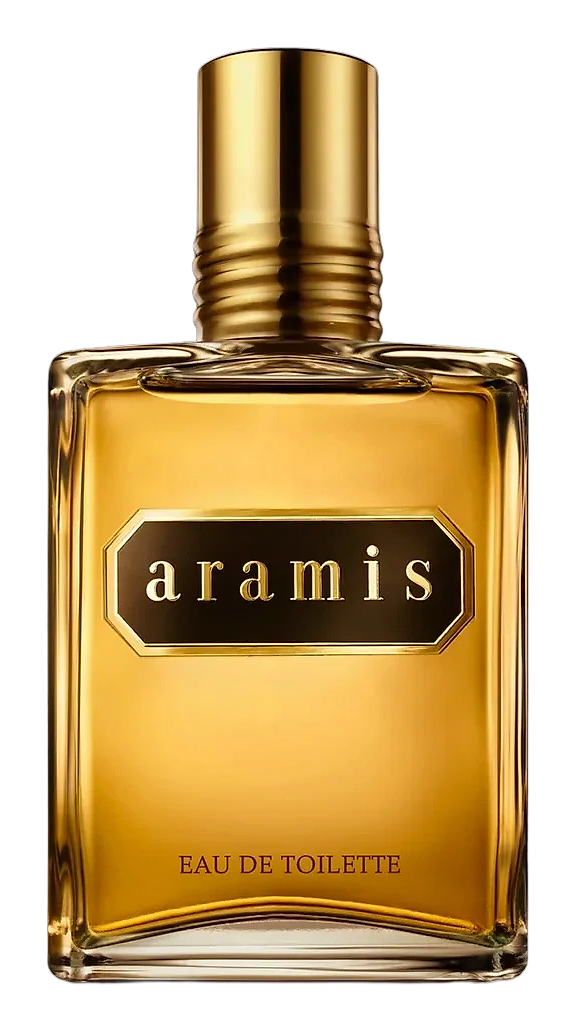
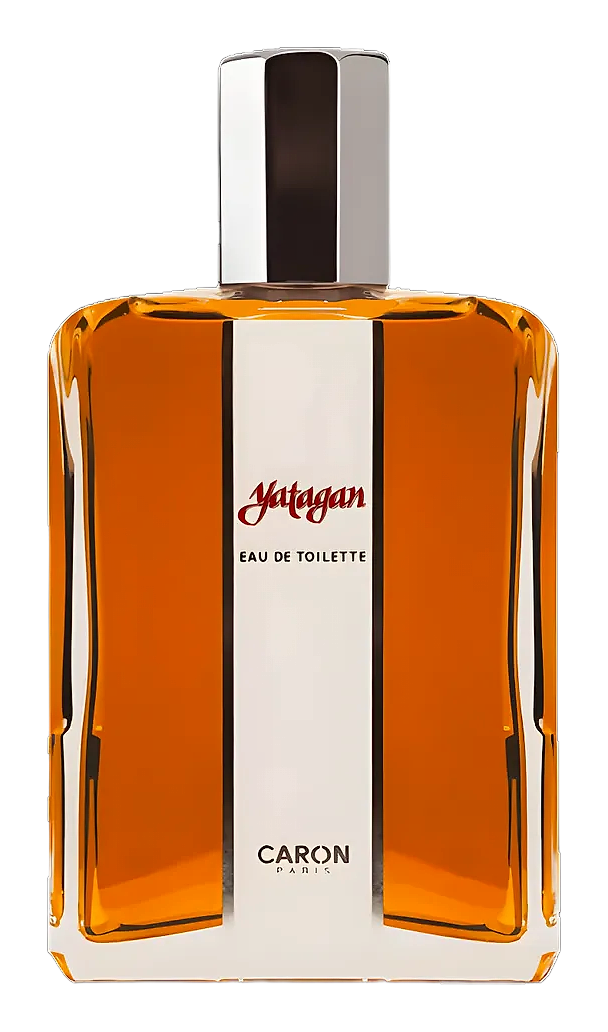
Braggi stands as a genuine leather chypre from an era when masculine fragrances did not apologize for their weight. The 1966 launch placed it among confident contemporaries like Aramis and Yatagan, though its smoother, less peppery character distinguished it from heavier peers. It never chased universal appeal, and that restraint is exactly what vintage fragrance enthusiasts find compelling today.