The Story
Why it exists.
The beginning
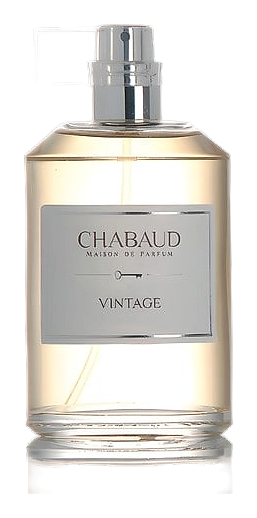
Sophie Chabaud built Vintage around a single question: what if the great floral fragrances of the past were made today, with nothing to prove and everything to say? The answer is this scent, a composition that wears its influences openly, wrapping carnation and mandarin in a white floral heart that doesn't apologize for its own abundance. It's an homage to an era when perfume could be lush without irony, sweet without shame. The name says it all: not retro, not revival. Vintage.
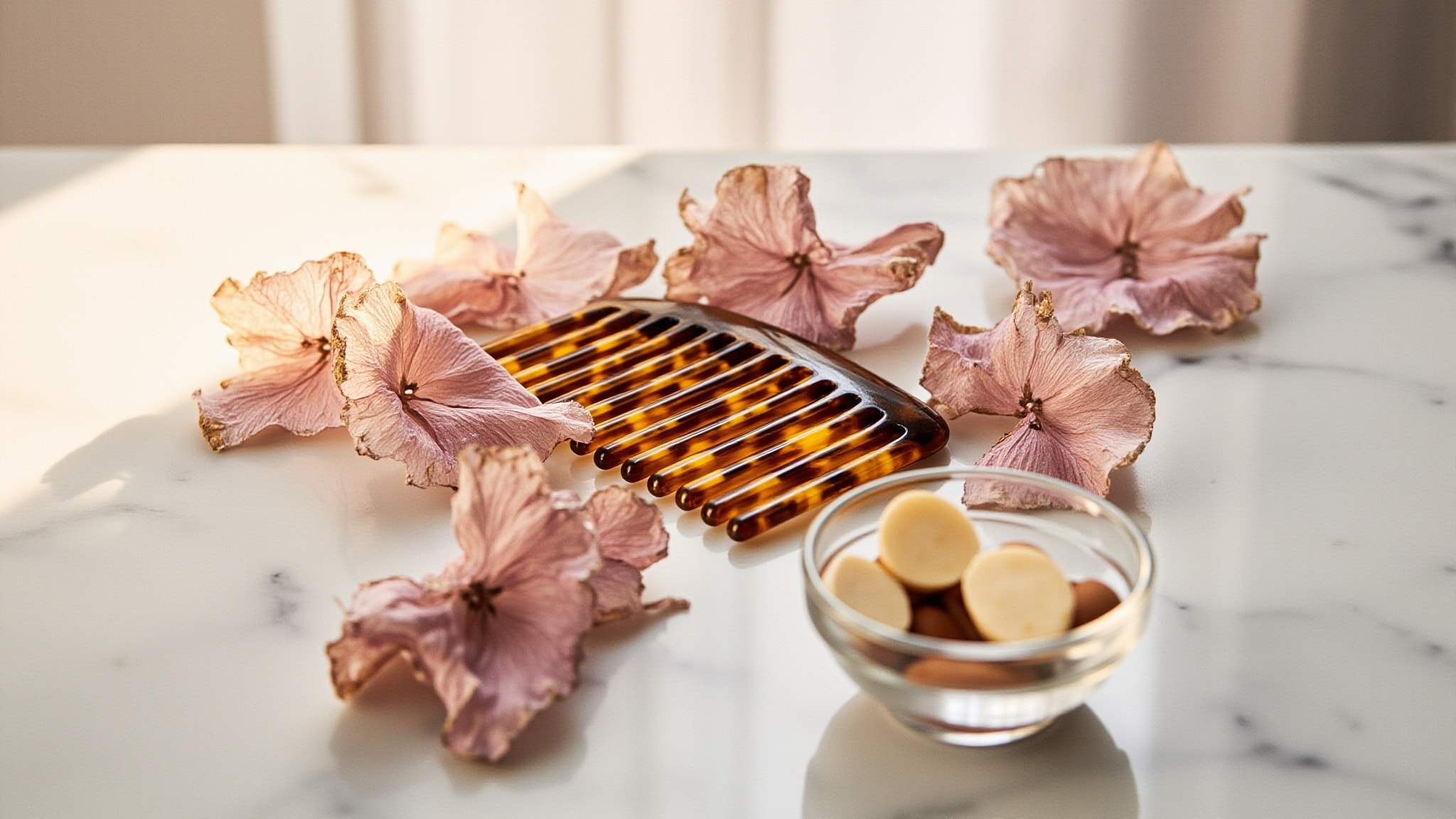
The genius here is the contrast between the flowers and the base. Ylang-ylang, jasmine, and tuberose are generous, they want to fill a room. Caramel, almond, and honey pull the composition inward, close to skin, intimate rather than announced. Sophie Chabaud understood that white florals need something to hold onto, something that prevents them from floating away into abstraction. The dessert notes don't sweeten the florals. They ground them.
The evolution
The opening hits fast, carnation's spice and mandarin's juice arriving together, bright for perhaps fifteen minutes before the florals push through. The handoff isn't gentle. Ylang-ylang and jasmine establish themselves quickly, but it's the tuberose that dominates the heart, creamier and more insistent than jasmine, refusing to behave. Then the base arrives: caramel softening the florals' edges, honey adding warmth, almond providing a quiet nuttiness that lingers. Six to eight hours on most skin. The sillage stays moderate throughout, this is a fragrance for the wearer, not the room.
Cultural impact
Vintage occupies an interesting space in the niche fragrance landscape, floral enough to appeal to traditionalists, sweet enough to attract the gourmand-curious, but composed with a restraint that keeps it from overwhelming either camp. It appeals to the wearer who wants presence without projection, longevity without loudness. Among its peers in the Chabaud collection, it stands as the house's most ambitious floral exercise, proof that the family workshop can handle volume and complexity while staying true to its founding principle: scent as intimate experience.