The Story
Why it exists.
The beginning
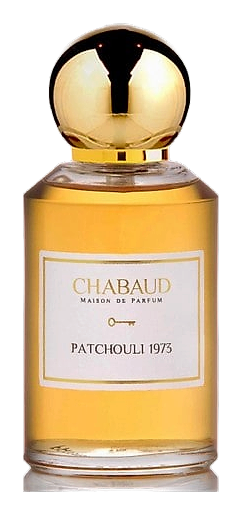
Patchouli 1973 takes its name from a decade defined by freedom and excess, convertible cars, motorbikes, the search for something new around every corner. The year isn't a year at all. It's a mood. And that mood is patchouli, but patchouli reimagined. Geranium softens the earthiness, bringing a green, slightly rosy lift that tempers the woody depth. Cinnamon adds warm spice that feels like late summer sunlight, while orange provides a bright citrus spark that cuts through the richness. Lavender, unexpected in such a bold composition, adds an aromatic calm that balances the warmth. Together these notes create a fragrance that opens bold and grounded, then gradually softens over hours, revealing layers of warmth, sweetness, and quiet confidence that linger on the skin.
What makes Patchouli 1973 work is the way it holds two opposing forces in balance. Patchouli's earthiness is typically a slow burn, dense, slightly animalic, rooted. Here, Bakouche opens it up with a citrus-lavender burst that makes the patchouli read more as aromatic than dirty. The cinnamon sits in the middle like a bridge, adding spice without heat overload, and the geranium brings a green, almost rose-like quality that keeps everything lifted. It's a careful act of restraint, letting patchouli be patchouli while refusing to let it dominate completely.
The evolution
The opening announces itself with orange and lavender, a bright and slightly medicinal combination that feels like sunlight through a window. Within the first thirty minutes, the orange softens and the cinnamon emerges, warm, almost edible, the smell of spice in a kitchen rather than on a spice rack. The patchouli arrives quietly, not announcing itself but settling in beside the geranium like an old agreement. These two, geranium's green bite and patchouli's earth, hold the middle hours together. By hour four, the drydown arrives: sandalwood and amber, creamy and close to the skin, with just enough musk to make it personal. On fabric, it can last into the next day. On skin, expect the full workday and into the evening.
Cultural impact
Patchouli carries decades of history in its dark, aromatic leaves. The original era associated it with counterculture and bohemian rebellion, with its earthy, woody character becoming synonymous with a particular kind of free-spirited expression. Chabaud's Patchouli 1973 reinterprets this icon through a contemporary lens, focusing on warmth, approachability, and aromatic contrast. The fragrance invites wearers to explore patchouli's heritage without the weight of its past associations, offering a version that feels both timeless and fresh.