The Story
Why it exists.
The beginning
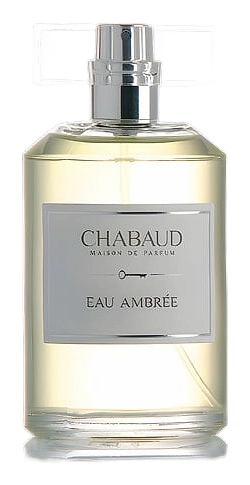
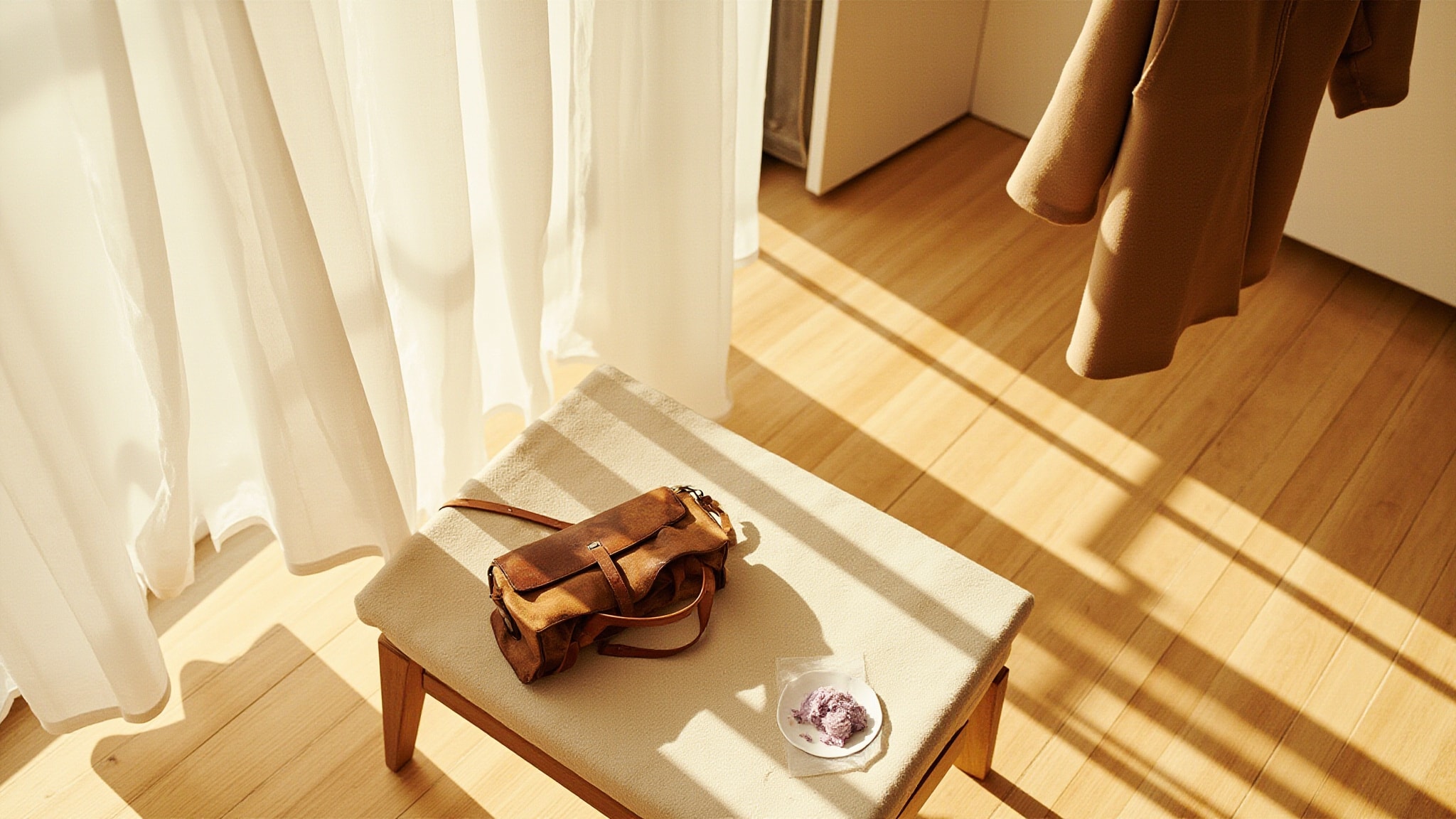
Eau Ambrée arrived as something different within the Chabaud house. Amber here isn't a food. It's an idea: the warmth of afternoon light through old glass, the feeling of something worn-in and familiar. The name itself points to the concept, an 'ambered water' that suggests both the material and its dissolving quality. Where other compositions in the collection might lean toward the literal, this one reaches for something more atmospheric, more suggestive of sensation than ingredient.
What makes this composition unusual is the pairing of powdery iris with leather in the base. These two materials don't always sit comfortably together, iris can read clinical, leather can read aggressive, but the bergamot and neroli opening gives them room to meet gently. The rose doesn't compete; it softens the handoff. It's a structure built on restraint. The ambergris adds an animalic depth that keeps the drydown from reading purely linear. It's there, then it becomes part of the skin rather than part of the perfume.
The evolution
The opening hits bright. Bergamot and lemon, neroli floating above, that orange blossom oil gives it a Mediterranean character that feels sun-warmed rather than sharp. As the citrus begins to recede, the iris arrives, powdery and slightly violet, with the rose doing quiet floral work in the background. The transition is smooth; nothing drops out abruptly. The leather begins to assert itself, not aggressive, but present, giving the powder something to lean against. The benzoin and ambergris finish the composition, creating a warmth that doesn't project so much as sit close. There's a softness to how it lingers, something that settles into fabric and stays as a gentle, slightly sweet impression.
Cultural impact
Eau Ambrée marked a departure toward abstraction and restraint for the Chabaud house. Where earlier releases in the catalogue rendered milk, chocolate, and caramel with photographic clarity, this composition reaches for something more conceptual. The amber becomes an idea rather than a material, warmth rendered as atmosphere rather than ingredient. Rather than offering the wearer as a statement, Eau Ambrée positions itself as a companion, something that registers only in close quarters.