
The Story
Why it exists.
The beginning
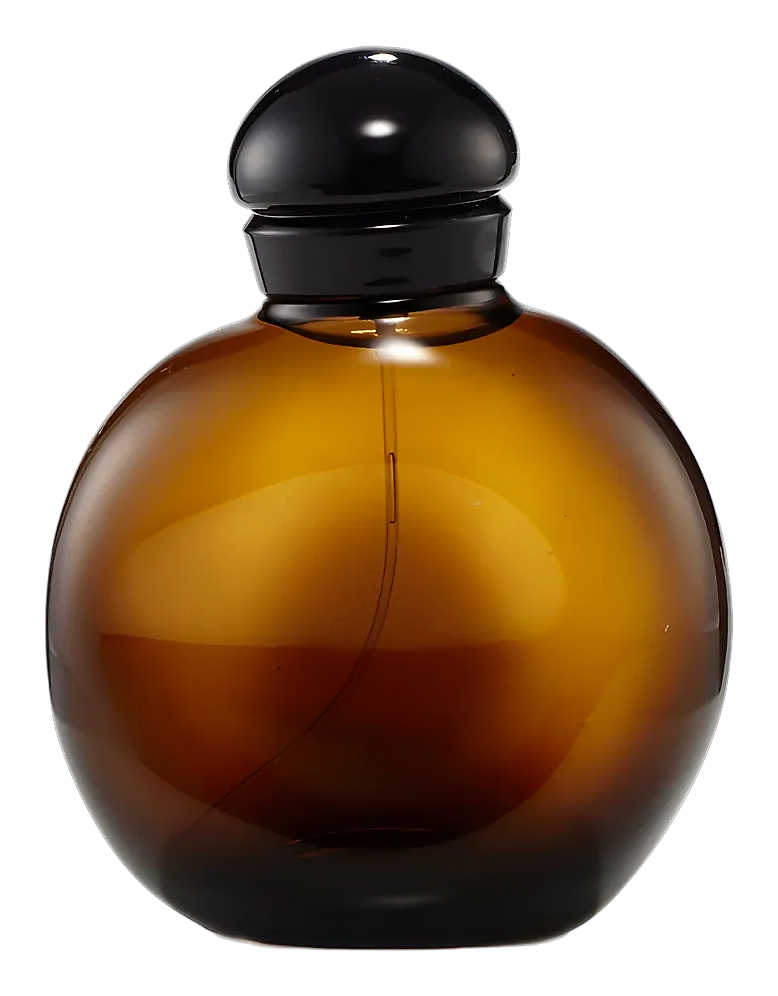
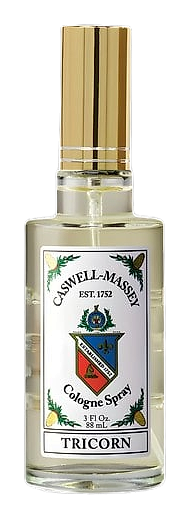
Tricorn arrived in 1941 and refused to behave like the other colognes of its decade. While the market chased citrus and clean aquatic openings, this one leaned into Bangalore sandalwood from the first breath, warm, embracing, almost oriental in its restraint. The brand's quiet confidence, inherited from its 1752 Newport roots, let Tricorn find its audience without announcement. Men who wanted something that felt considered, not performed, found it here.
The surprise is the cocoa heart. Not a common move for a 1940s masculine cologne, most were building on spice, not sweetness. Here it adds depth without sweetness, a quiet counterweight to the sandalwood that anchors the base. Cedar and musk follow, creating that powdery close-to-skin effect that reviewers still mention today. The result reads oriental in the best sense: warm, resinous, something that embraces rather than announces.
The evolution
The opening hits clean: citruses and green notes lift bright for a few minutes, a crisp handshake before the conversation deepens. Then the cocoa arrives, subtle, almost shy, but unmistakably present beneath the cedar that begins to establish itself. The heart settles into a woody-sweet warmth that surprises with its restraint. By the drydown, sandalwood has taken over, supported by musk that stays close to skin rather than projecting outward. Six to eight hours later, on fabric especially, the sandalwood remains, a ghost of the morning's decision, still warm.
Cultural impact
Tricorn occupies an unusual position in American fragrance history, a cologne released during wartime that didn't chase the citrus-fresh expectations of the era. Instead, it offered warmth and sandalwood depth at a moment when restraint and endurance mattered more than projection. The fragrance's association with figures like John Barrymore and Cole Porter placed it in a particular cultural register: elegance without announcement, confidence that didn't argue.