
The Story
Why it exists.
The beginning
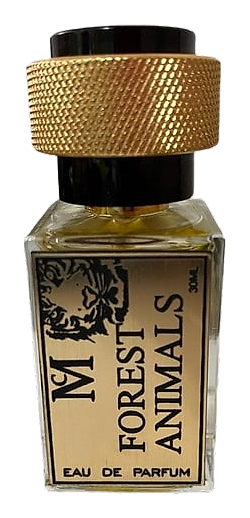
Forest Animals arrived in 2022 from Casaniche, the Chilean house behind this scent. The nose is Maximiliano Cifuentes, named in the brand's materials as the perfumer behind this particular composition. The concept is unusual for what it chooses to evoke: instead of the clean coniferous or pine-forward forest fragrances that dominate the genre, it reaches straight for the animalic materials that make perfumery feel ancient. There's no aromatic shortcut, no bergamot-and-cedar opening designed to make the woods feel approachable.
There's no citrus, no bright green leaf, no aromatic shortcut. The composition skips the usual forest-cliché opening entirely. Instead, it leads with castoreum, civet, and Russian leather. The ambergris and musk underneath provide weight and longevity, while patchouli and earthy notes root the whole thing in soil rather than air. Moss does what moss does in classic perfumery: it darkens everything it touches. The civet arrives with that unmistakable raw, almost fecal musk that makes people either lean in or pull back.
The evolution
The first spray is sharp, almost confrontational. Civet opens with that raw, almost feline musk that polarizes people within seconds. The opening doesn't soften with time, it deepens. Over the first hour, castoreum and amber build underneath, adding warmth and a slightly resinous undertone that keeps the leather from going too austere. By hour three, the animalics have settled into a quieter hum, and the musk and ambergris take over, leaving a drydown that stays close, personal, and persistent. Moderate sillage means it won't fill a room, but anyone close enough will know it's there. The castoreum stays present throughout the wear, giving the whole composition a warm, leathery pulse that never quite disappears. Patchouli adds an earthy undertone that becomes more noticeable as the sharper top notes fade.
Cultural impact
Forest Animals sits firmly in animalic territory, the kind of fragrance that asks something of the wearer rather than offering immediate comfort. It's built around castoreum, civet, Russian leather, and musk, materials that carry centuries of perfumery history but rarely show up this prominently in modern releases. The composition doesn't soften its edges for accessibility, and that refusal is part of what makes it interesting. It's not a crowd-pleaser, and it doesn't aim to be.