The Story
Why it exists.
The beginning
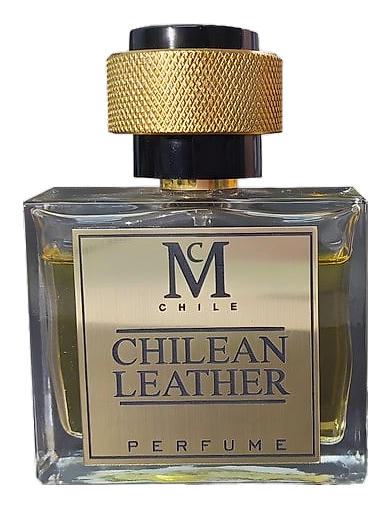
Maximiliano Cifuentes designed Chilean Leather as a study in contradiction. The year was 2021, and the concept lived in that specific Chilean tension: the country's natural abundance, valleys dense with flowers, pressed against its harder urban surfaces. Cifuentes wanted a rose that didn't apologize for itself. Tuberose was the answer. Not the polite kind, either. The kind that leans close and makes itself known. Leather came next, because a fragrance named Chilean Leather without actual leather would be missing the point entirely. Cognac and amber warm the opening, giving the whole composition a bar-light amber glow before the florals take over. It was designed as unisex from the start: a scent that belongs to no one and everyone. The perfumer's own city, Santiago, provided the mental image. Mountains on all sides. Winter fog. Someone walking into a room with no announcement. That's where this fragrance lives.
The note structure here is unusual in how deliberately it refuses to settle. Most fragrances move from bright to warm in a predictable sequence. Chilean Leather overlaps them instead. The cognac and amber arrive together in the opening, giving you sweetness and heat simultaneously, before the Egyptian rose and tuberose push through and refuse to let the base notes finish their thought. The iris adds a powdery lift that keeps the florals from becoming too heavy, it's the connective tissue between the warmth below and the bloom above. The leather isn't a classic leather accord; reviewers describe it as closer to dry suede, which reads softer and more wearable than the word 'leather' might suggest.
The evolution
The opening hits warm and immediate. Cognac and amber arrive together, a bar-light sweetness that opens the door before you can decide whether you want to walk through it. White musk is present here, barely detectable, more felt than smelled, a skin-warmth that makes the whole first hour feel close. Within thirty minutes the florals take the room. Egyptian rose and tuberose arrive together, not sequentially, and they don't wait politely. The combination is large, lush, almost confrontational in its femininity. The powdery iris keeps it from tipping into sweetness. This is the fragrance's most polarising moment. Then the leather arrives. Not the opening act, that was just setting the stage. The leather shows up around the one-hour mark and changes the temperature of everything. It's dry suede and faint cognac. The leather is not gone. It never left. It's settled now, patient, the kind of presence that doesn't announce itself.
Cultural impact
Chilean Leather arrived during a pivotal moment for South American fragrance on the global niche stage. By 2021, artisan houses across the continent were no longer content to remain in the background of European and Middle Eastern perfumery conversations. Casaniche's Etiqueta Dorada collection, of which Chilean Leather serves as a flagship, positioned Chile specifically as a source of bold, sensuous compositions rooted in local flower cultivation and distinct terroir-driven materials. The fragrance's unabashed embrace of lush rose-tuberose florals alongside leather and cognac warmth challenged Western expectations of what South American perfumery could deliver, helping establish a new dialogue around regional olfactory identity.