The Story
Why it exists.
The beginning
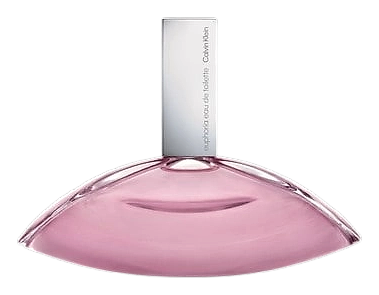
Euphoria landed in 2005 from the studio of a perfumer, a flower long woven into the language of desire and exoticism. The orchid at its center was inspired by the orchid's mythical, sexy, and exotic notes, a bloom that carries weight in fragrance history rather than serving as simple decoration. The composition was built around that idea: sweet enough to intrigue, woody enough to anchor, creamy enough to stay on skin like a memory. The white-bottle restraint of the brand's earlier work gave way to something darker, more nocturnal, and the orchid became the anchor point for the whole scent. Ropion built a fragrance that doesn't apologize for indulgence, one that feels like the moment after someone says yes. It wasn't meant for the office or the afternoon.
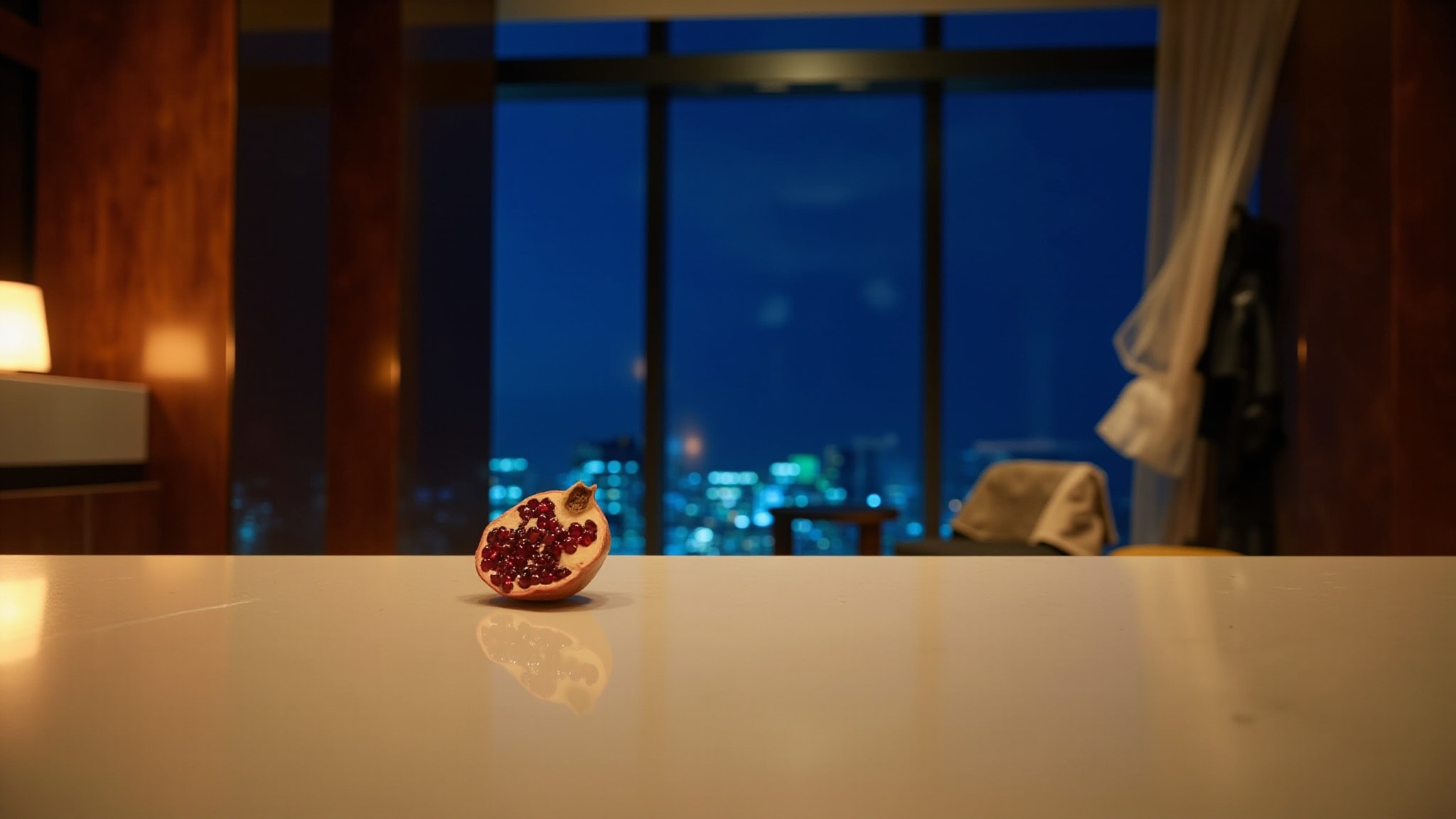
What makes the structure work is the contrast between the top and the base. Pomegranate and persimmon open bright and almost edible, the kind of fruit that suggests ripeness and skin warmth. Then the black orchid and champaca flower arrive, and the air shifts. Those two florals carry a dusky undertone that changes the temperature of the composition entirely. The base seals it: mahogany wood instead of the usual sandalwood, amber for warmth, black violet for a dusty sweetness, and creamy notes that round the edges without softening the whole thing.
The evolution
The first 30 minutes belong to the fruit. Pomegranate bursts tart and red, persimmon underneath adds that honeyed, almost overripe quality, and the green notes keep it from collapsing into pure sugar. It's sharp, almost juicy, and it reads louder than most openings in this category. Somewhere around the 45-minute mark, the fruit steps back and the florals take over. The black orchid brings a dusky, almost cocoa-dusted presence that sits at the edge of what most florals attempt. Champaca adds creamy warmth, lotus cools it just enough. By the two-hour mark, the woods and amber arrive. The mahogany reads richer and more resinous than the typical base wood note, with a warmth that fills the room. The black violet adds a powdery sweetness that settles into the skin rather than sitting on top of it.
Cultural impact
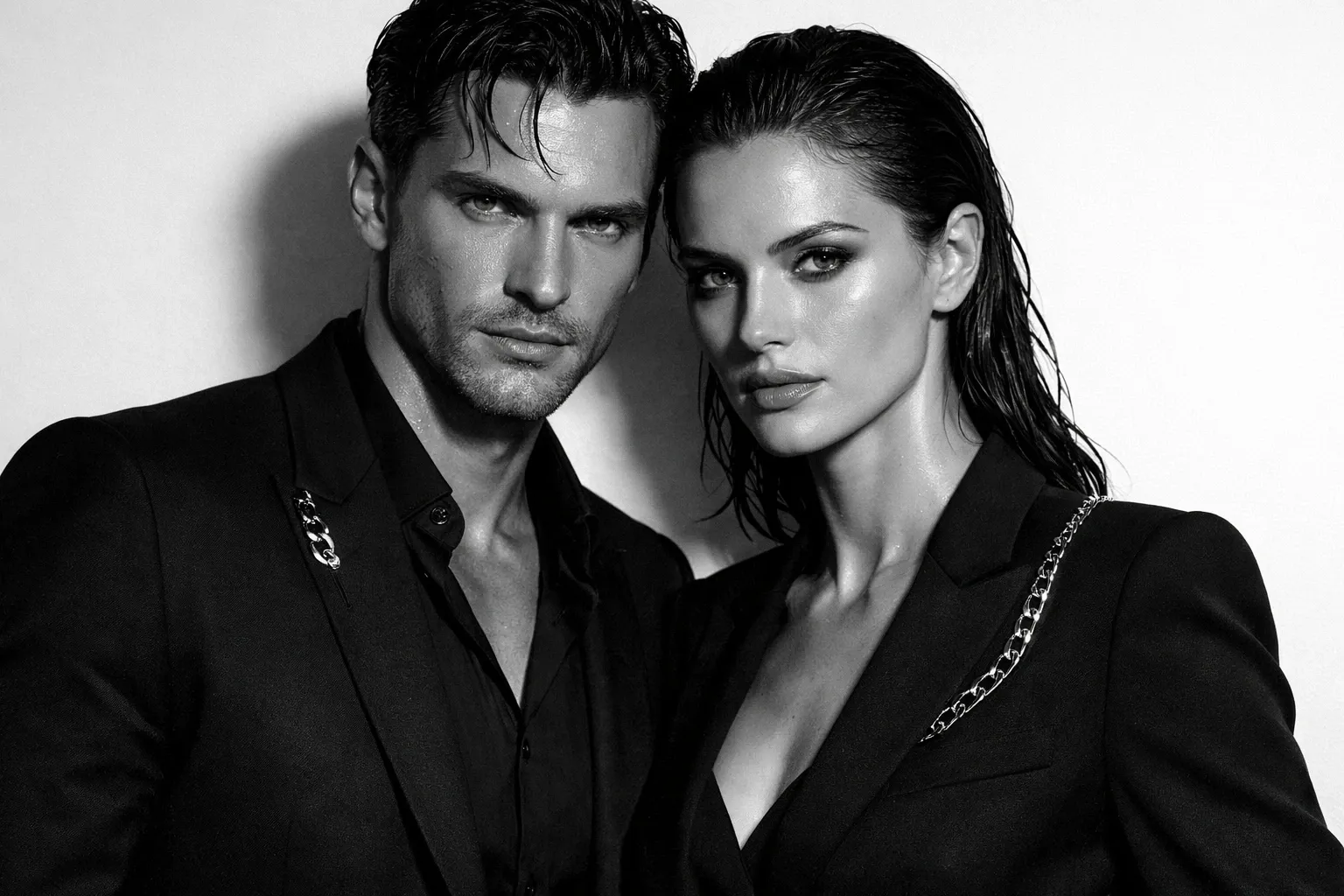
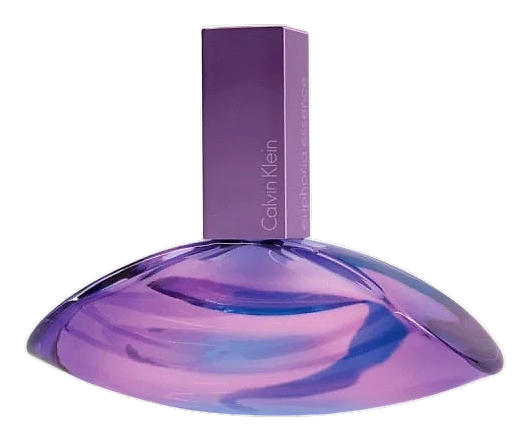
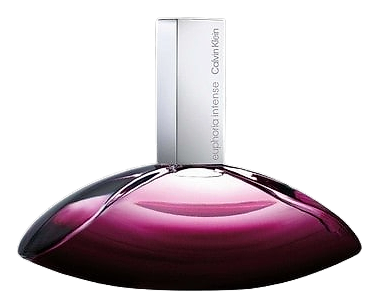
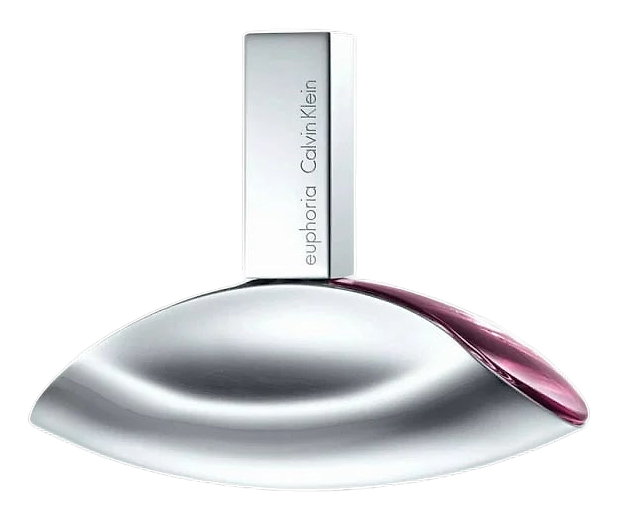
Euphoria arrived in 2005 and won the Fragrance Foundation's 'Fragrance of the Year, Women's Prestige' award in 2006, sharing the honor with Narciso Rodriguez's 'For Her.' The campaign, shot by Steven Meisel with Natalia Vodianova as the face, marked a shift in how the brand presented its fragrances, moving toward evening glamour and a more sensual visual language. The bottle, amethyst and faceted, signaled the same shift before the juice even touched skin, and the campaign imagery built a world around the scent that felt different from the clean, daytime aesthetic of the brand's earlier work.