
The Story
Why it exists.
The beginning
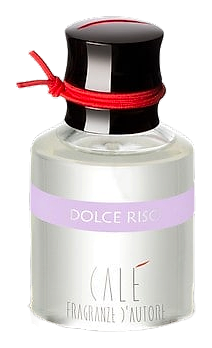
Dolce Riso arrived in 2008 from Maurizio Cerizza and the house of Calé Fragranze d'Autore. The name itself is the story: dolce riso means sweet rice in Italian, and that ingredient is the entire premise. Cerizza took something ordinary, something quiet, and built a fragrance around its warmth. Rice as a scent concept is unusual in perfumery, which tends toward flashier materials. The approach prioritizes subtlety and presence over the kind of olfactory impact that fills a room the moment you walk in.
What makes the composition work is contrast. The lime and Granny Smith apple arrive first, a sharp green bite that keeps things honest and prevents any sense of sweetness overload. The artemisia, a bitter herb related to wormwood, adds an edge that most gourmand fragrances avoid entirely. It is herbal, slightly medicinal, and completely unexpected in a scent named for something warm and edible. The white pepper in the heart reinforces this: a quiet spiciness that keeps the rice from disappearing into abstraction.
The evolution
The opening hits fast: lime and green apple arrive together, crisp and juicy, with the artemisia lending a faint herbal undertone that most wearers either notice or don't, depending on their sensitivity to that note family. Within minutes, the citrus softens and the rice emerges, not as a bold note but as a warm, starchy presence, the smell of steamed grains, slightly sweet. The white pepper appears in the heart, threading through the composition with a quiet spice that prevents it from becoming flat. By hour two, the base takes over: vanilla and tonka bean create a soft, powdery warmth, with musk keeping everything close to the skin. The drydown lingers, a quiet presence that someone standing nearby might perceive before the wearer notices it themselves. On fabric, the rice note tends to persist, a subtle warmth that carries through the hours that follow.
Cultural impact
Dolce Riso occupies a quiet corner of the niche fragrance world, not a statement scent but a considered one. The rice note sets it apart from the more common materials found in Italian niche perfumery. Since its 2008 release, it has maintained a presence that speaks to those looking for something outside the expected. The continued production of this fragrance reflects both the loyalty of its wearers and the strength of its concept. For anyone exploring niche perfumery, it represents a point of interest: a scent built around an unusual idea, executed with attention to balance and subtlety.