The Story
Why it exists.
The beginning
Whoa De Cologne carries a specific mood at its center: the hidden cowboy within, not the dusty stockman but the gentle, sensitive, warm version. Perfumer Howard Jarvis built the composition around that quiet ideal, and the brand's own copy paints a clear picture. Saddle leather, wisps of pipe tobacco, a man's old shirt, and a quiet room full of stories. There's no posturing here, no brash opening meant to announce itself across a crowded room. Instead, the fragrance settles in close, offering a portrait of a certain kind of gentleman who might tip his hat but wouldn't dream of raising his voice.
What makes this composition worth noticing is its restraint. The leather here isn't the lacquered, motorbike-jacket kind that dominates modern masculine perfumery. It's the leather of a favorite glove, already broken in, already shaped to the hand. The pipe tobacco does the heavy nostalgic lifting without ever tipping into scented-candle territory. Jarvis keeps the fougère structure just visible underneath, giving the whole thing a barber-shop spine that grounds the romanticism. It's a deliberate exercise in knowing what to leave out.
The evolution
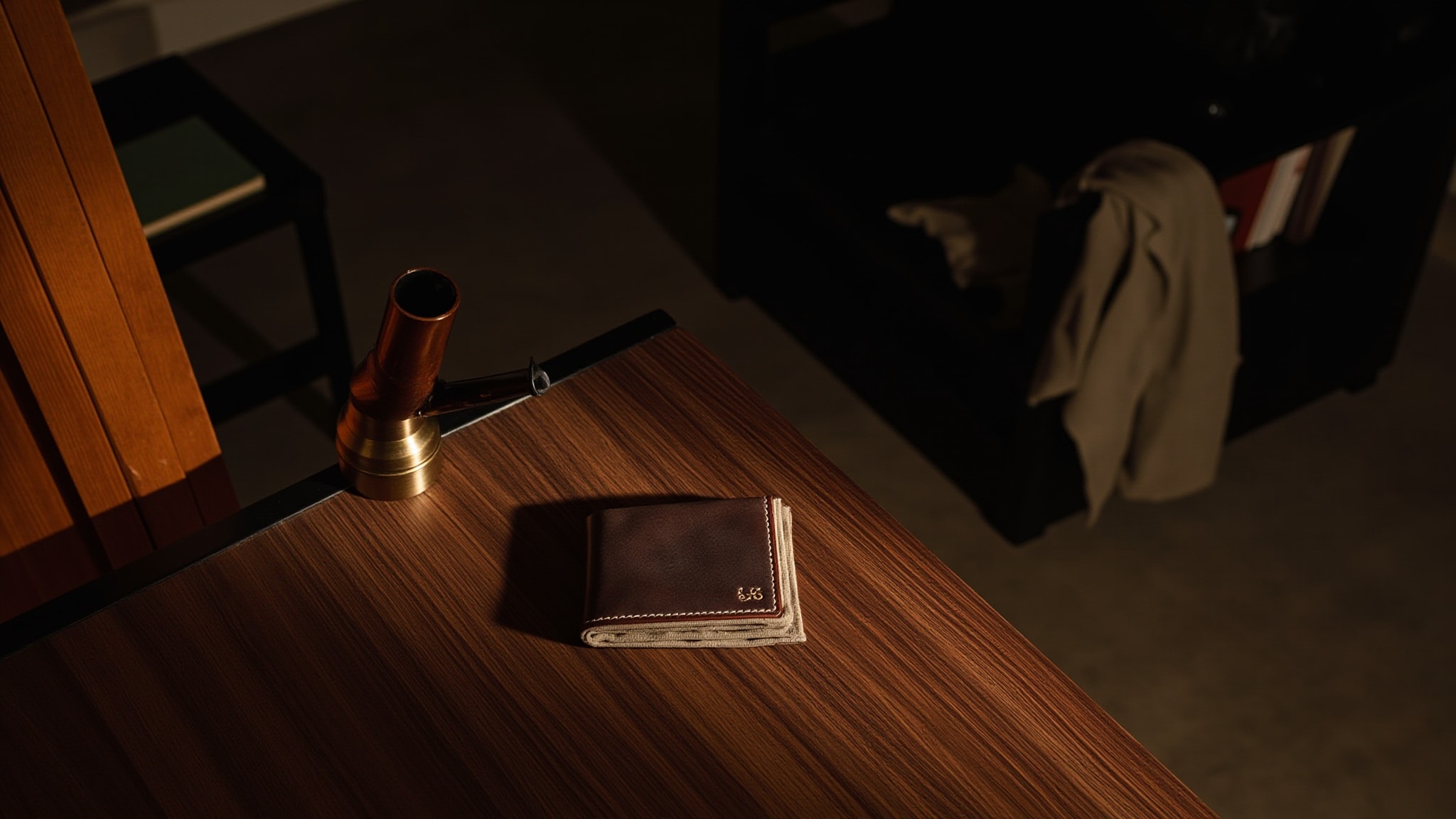
The opening moves fast. A clean, almost barbershop-sharp cologne snap hits first, the kind of bright opening that feels like a splash of cold water on a warm face. Before long, the leather slides in, not sharp or new, but already soft, already lived-in. It smells less like a jacket and more like the leather of a wallet carried for twenty years, or the strap of a watch that's never been removed. Soon after, the pipe tobacco settles into the composition. It doesn't smoke the room out. It just adds a low, sweet warmth, the ghost of a bowl that's been sitting on a desk all afternoon, still faintly aromatic. As the hours pass, the accord grows rounder, the tobacco and leather settling into each other the way old friends fall into easy conversation, each one making the other more readable.
Cultural impact
Whoa De Cologne occupies a specific corner of the tobacco-leather tradition, one that leans into nostalgia without slipping into costume. The composition draws on a very old idea of masculine grooming, the kind rooted in patience and quiet ritual, and it reads as something worn rather than performed. There's an ease to the way the two notes interact, a sense that the fragrance isn't trying to prove anything. It simply offers its warmth and waits.