
The Story
Why it exists.
The beginning
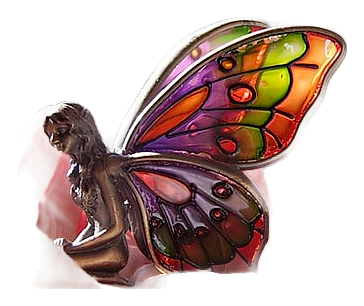
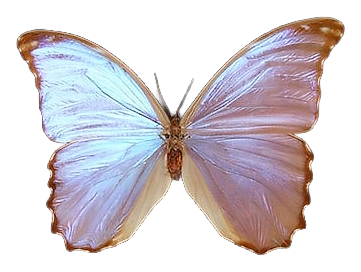
Butterfly appeared during the 2000s, a fragrance bearing the perfumery of Howard Jarvis. The name lands before anything else does, and lands hard. Butterfly. It suggests metamorphosis, fragility, something that touches down and lifts off without warning. There is a deliberate softness in that choice, and it shows up in the composition itself. Jarvis built a floral-fruity arrangement with violet and white flowers at its center, notes that trade volume for precision. The violet carries its usual powdery, almost bitter edge, the kind that keeps sweetness from spilling over. White florals open around it without crowding, adding a creaminess that feels more suggested than declared. This is a floral that holds its shape rather than announcing itself, and the name follows the same logic.
The violet note is doing real work here. Violet has that powdery, almost bitter edge that keeps sweetness honest, and in Butterfly it anchors a composition that could have tipped into simple fruit-and-flower territory. The white florals add breadth without weight, the fruity notes lift everything off the ground, and the result is a floral that breathes rather than blooms all at once. The interplay between the violet's earthiness and the fruit's brightness gives the fragrance a layered quality that reveals itself slowly, note by note, as the hours pass.
The evolution
Butterfly opens with a green, almost vegetal freshness, the kind that reads as freshly cut stems or new grass before the floral heart settles in. One reviewer noted the association with green string beans, a strange and specific image that actually fits. The green phase gives way to a soft white floral and violet core that feels powdery and intimate. There's a faint fruit sweetness underneath, never loud, more like the memory of fruit than the fruit itself. The drydown is where the violet deepens into something warmer and more skin-like, settling into a quiet closeness that feels personal rather than performative. On fabric the next morning, the powdery floral persists, softer, like a letter reread. The whole arc of the wear moves from green sharpness through powdery sweetness and into a warm, almost musky intimacy that clings to skin and cloth alike.
Cultural impact
Butterfly occupies a particular place in Bud Parfums' catalog, offering a softer, more contemplative profile among a range of fragrances that includes Ugly Bastard and Jezebel, both known for taking sharper positions. Its appeal tends to land with wearers who gravitate toward fragrance as personal atmosphere rather than projection, people who want something that reads close to the skin and rewards attention. Its name and composition reflect a narrative sensibility, a sense that a fragrance can carry a mood or an image rather than simply occupy a category.