The Story
Why it exists.
The beginning
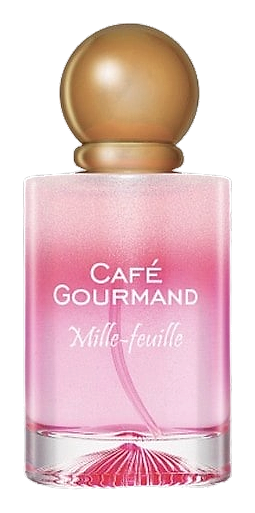
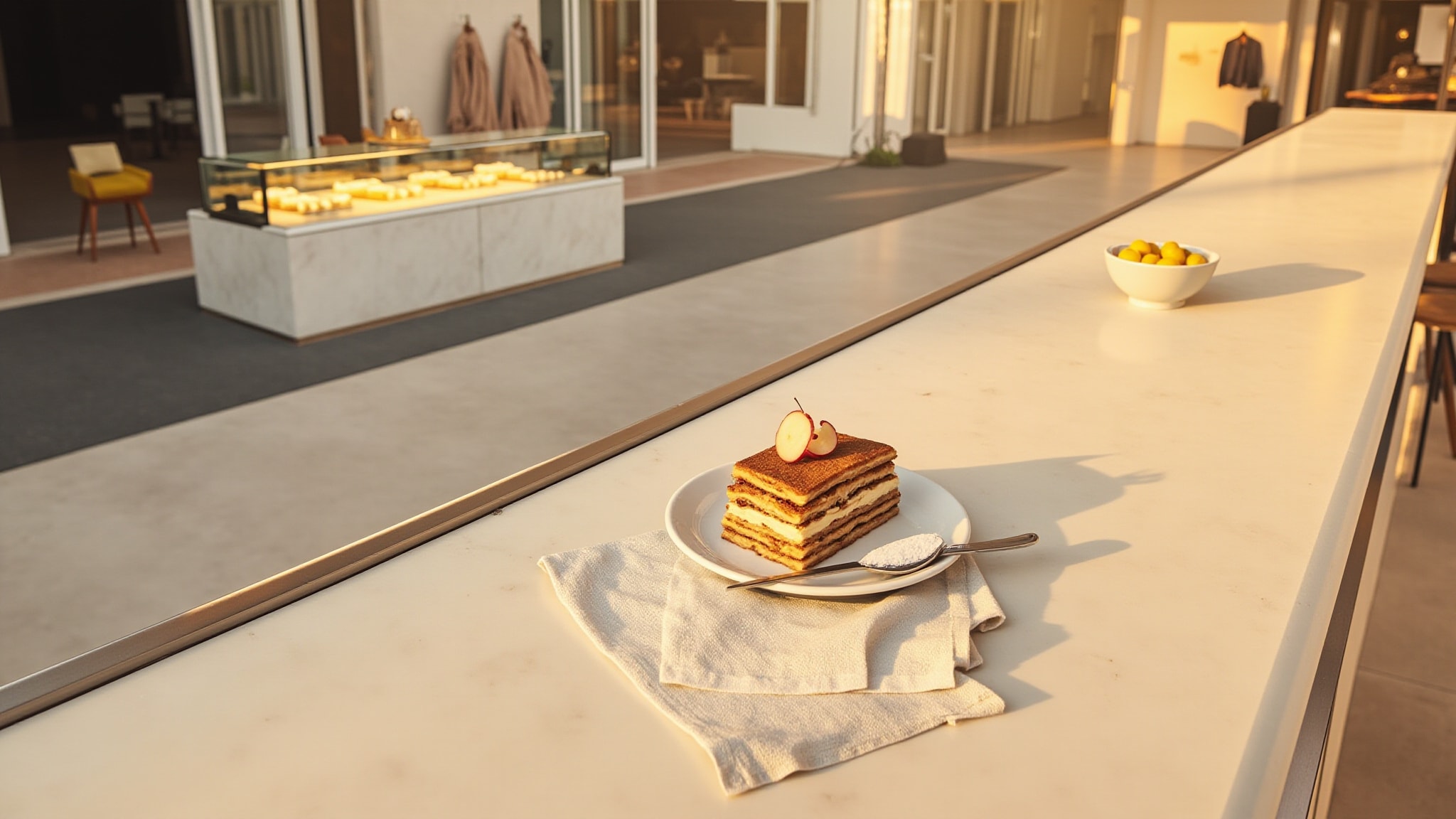
Mille-feuille draws its name from the layered French pastry, and that title sets the entire brief before a single note is even sprayed. The composition was built to translate the architecture of the dessert into scent: a crisp opening, a softer middle, and a sweet, lingering base. Red apple and mirabelle were chosen as the lead because they offer both a recognizable fruit signature and the slight tartness that stops a gourmand from collapsing into pure sugar. Together they carry the visual shorthand of sliced fruit between pastry folds, and they give the wearer something bright enough to cut through what would otherwise be an all-cream exercise.
The perfumer built the composition the way a pâtissier builds the actual dessert, stacking each stratum and letting them bleed gently into one another. Red apple arrives as the top sheet, sliced thin and almost dewy, while mirabelle provides the fruit compote layer hiding between the pastry folds. Vanilla moves in next, behaving less like a thick custard and more like a thin veil of pastry cream spread across warm dough, soft enough to let the fruit keep speaking.
The evolution
Across its first hour, Mille-feuille reads almost like a fresh-baked notice on the skin. The red apple note opens bright and aqueous, carrying a subtle skin-on tartness, and within minutes the mirabelle surfaces with its own yellow-plum honeyed tone. By the half-hour mark the two fruits begin to melt into a warm vanilla accord, sweetened and supported by a soft, almost edible warmth that feels closer to warm dough than to white sugar. The middle phase, roughly 90 minutes in, is where the buttery facets come forward and the scent loses any sharp fruit edges, turning plush, soft, and gently caramelized. In the late drydown, the fruit recedes and the sandalwood base takes over, lending a creamy, woody sweetness that wraps the skin in a close, milky warmth. The evolution is gentle rather than dramatic, trading fruit brightness for creamy softness as the hours pass.
Cultural impact
By naming the fragrance directly after a specific French pastry, Brocard invites the wearer into a recognizable cultural shorthand that needs no explanation. The name does the storytelling work in advance: anyone who has ever held a mille-feuille knows the visual of stacked pastry, cream, and fruit, and the scent leans into that mental image without irony. The fragrance taps into the universal appeal of bakeries and sweet shops, scents that many people link to comfort, family kitchens, and weekend rituals.