Mirabelle
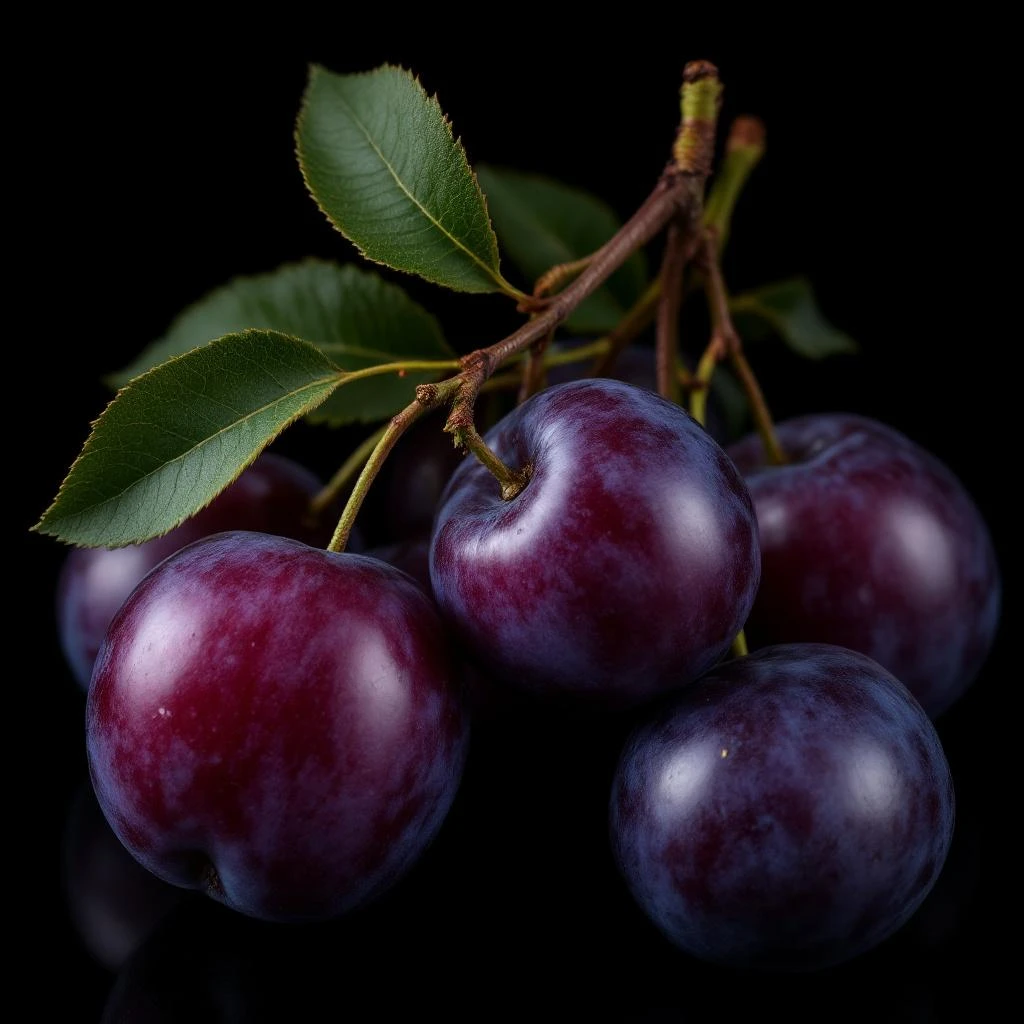
A small golden plum from the Lorraine region of France, Mirabelle brings a honeyed sweetness with subtle tartness to perfumery. Its scent evokes sun-warmed orchards and late summer harvests, offering a bright fruity note that bridges gourmand and floral compositions.
Character
How it smells
The golden jewel of French orchards, honey-sweet with a whisper of tartness.
Mirabelle plums are so prized in France that the city of Metz dedicates an entire two-week festival to them each August, celebrating with tarts, liqueurs, and fresh fruit markets. Lorraine produces 15,000 tons annually, representing 80% of global commercial production.








Origin
France
The Mirabelle plum traces its origins to China, from where it traveled westward to reach Europe by the 15th century. It found its true home in the Lorraine region of northeastern France, where the climate and soil composition proved ideal for cultivation. The fruit quickly became emblematic of the region, celebrated in local cuisine and culture. Over centuries, cultivation spread to neighboring areas, particularly Alsace in Germany, as well as Hungary and Romania.
The fruit holds such cultural significance that since 1996, the European Union has recognized Mirabelle de Lorraine with Protected Geographical Indication status. This designation ensures that only plums grown in the specific geographical zone, meeting strict quality standards for size and sugar content, can bear the prestigious label. The city of Metz honors this heritage annually with a two-week Mirabelle Festival each August, featuring markets selling fresh fruit, traditional tarts, and the famous eau de vie distilled from the plums.
Approximately 90% of commercially grown Mirabelles are processed rather than eaten fresh, with 70% going to jam production and 20% fermented into wine or distilled into brandy. In perfumery, Mirabelle emerged as a distinctive note in the late 20th century, offering a nuanced alternative to more common stone fruit notes like peach or apricot. Its inclusion in compositions such as Jo Malone Plum Blossom has established it as a sophisticated choice for fragrances seeking a bright, honeyed fruit character without overwhelming sweetness.
Wears it best
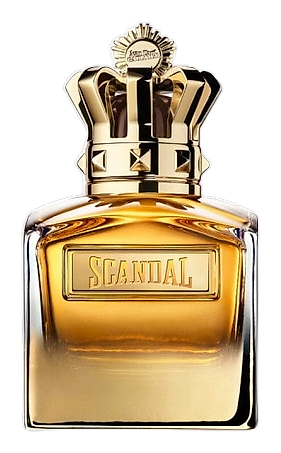
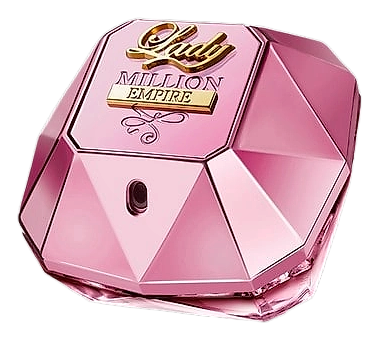
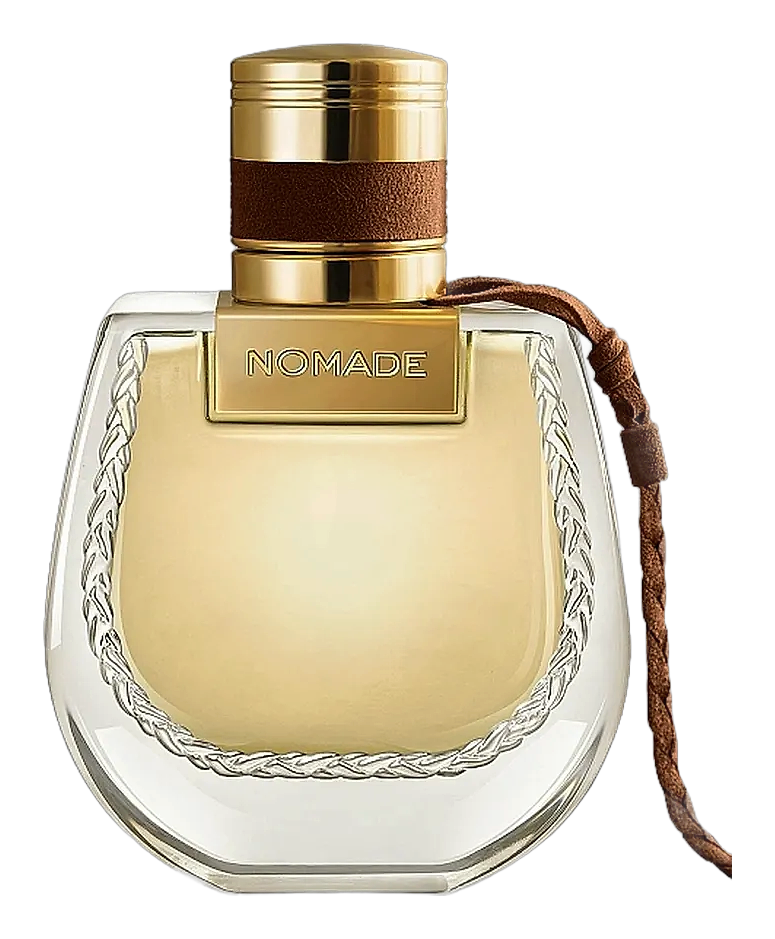
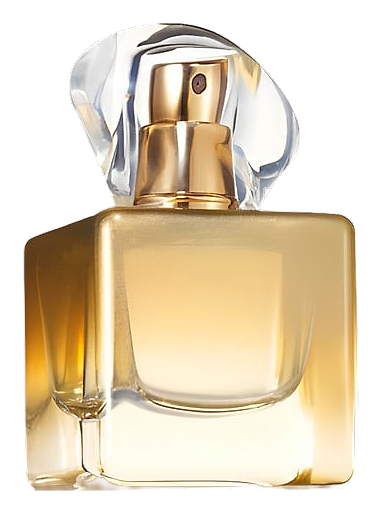
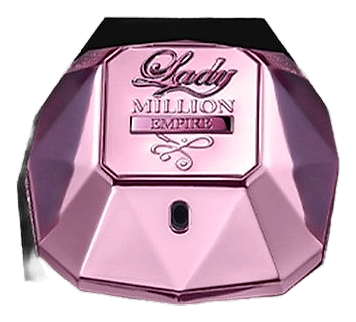
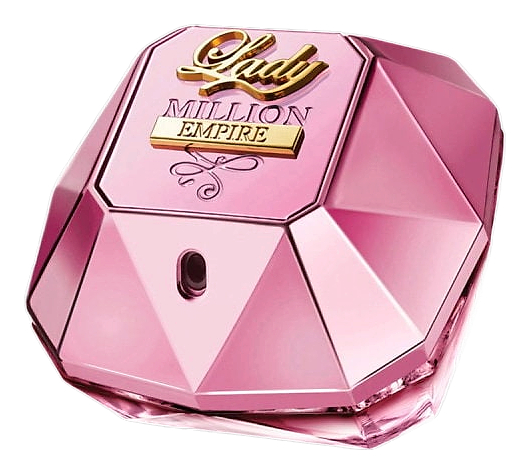
Fragrances featuring Mirabelle


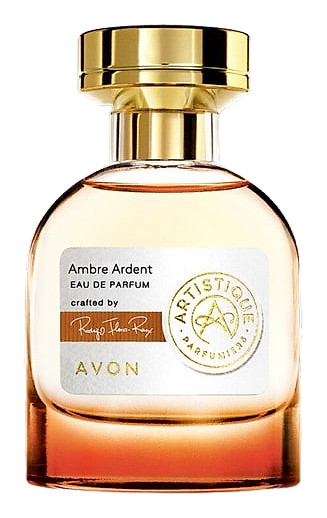
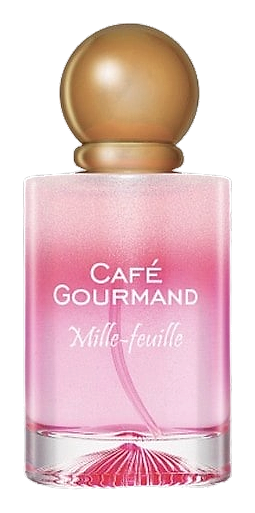
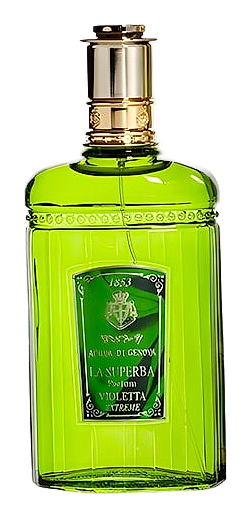
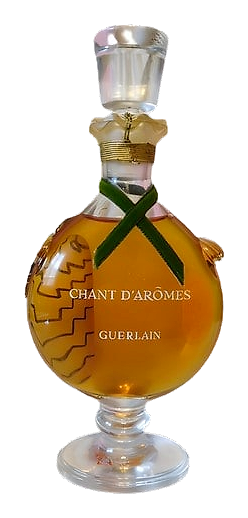
Brands
Brands known for Mirabelle
Good to know
Questions, answered
The essentials on Mirabelle in perfumery: how it smells, where it comes from, and how it behaves on skin.
What does Mirabelle smell like in perfume?
Mirabelle smells honey-sweet with gentle tartness, evoking ripe golden plums warmed by sun. It carries floral undertones similar to rose, with a velvety smoothness that distinguishes it from sharper fruit notes. The scent suggests late summer orchards and stone fruit jam, offering complexity through its balance of sweetness and acidity.
Why is Mirabelle used in perfumery?
Mirabelle adds a sophisticated fruity dimension that bridges gourmand and floral fragrance families. Its honeyed sweetness brightens compositions without the cloying quality of some fruit notes, while its subtle tartness provides balance. The note works particularly well in modern fruity-floral and oriental fragrances seeking refined sweetness.
Is Mirabelle in perfume natural or synthetic?
Mirabelle in perfumery is almost exclusively synthetic or created through accords. The delicate fruit does not yield its aroma efficiently through traditional extraction methods like steam distillation or solvent extraction. Perfumers instead use synthetic compounds such as damascones, combined with other fruity and floral materials, to recreate its characteristic honeyed plum scent.
What famous perfumes contain Mirabelle?
Notable fragrances featuring Mirabelle include Jo Malone Plum Blossom, where it provides fresh fruitiness to the floral heart. Byredo De Los Santos uses Mirabelle alongside clary sage for an aromatic opening. The note also appears in various niche and mainstream compositions seeking a refined, honeyed stone fruit character.
Is Mirabelle a top note, heart note, or base note?
Mirabelle typically functions as a top or heart note, appearing in the opening or middle phases of a fragrance. Its bright, fruity character makes it well-suited for introducing compositions, though its moderate tenacity allows it to persist into the heart phase, where it can bridge floral or woody accords.
What notes pair well with Mirabelle in perfume?
Mirabelle pairs beautifully with floral notes like iris and rose, enhancing their sweetness. It complements aromatic herbs such as clary sage and lavender, creating complex openings. The note also works with woody bases including cedar and sandalwood, and enhances oriental compositions through its honeyed warmth.
Where does Mirabelle come from?
Mirabelle plums originate from China but have been cultivated in France since the 15th century, particularly in the Lorraine region. This area produces 15,000 tons annually, representing 80% of global commercial production. The fruit also grows in Germany, Hungary, Romania, and California, though Lorraine remains the premier growing region.
Is Mirabelle used in men's or women's fragrances?
Mirabelle appears in both men's and women's fragrances, though it is more common in feminine compositions. Its versatility allows it to work in unisex scents when balanced with woody or aromatic notes. In masculine fragrances, it typically appears in sophisticated oriental or woody compositions rather than overtly fruity scents.