The Story
Why it exists.
The beginning
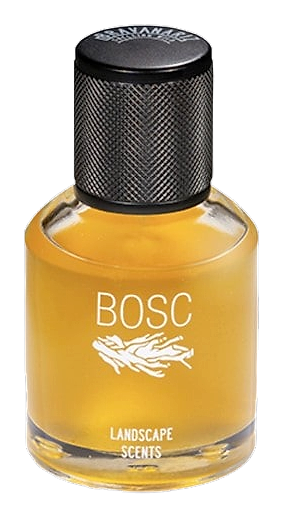
Bosc is Catalan for woods, and this is the woods of the Empordà in northeastern Catalonia, where the Salines mountains rise and Bassegoda holds its shadowy slopes. The tramuntana wind cuts through the canopy, roughing up the branches, and the air carries something just under the surface waiting to be noticed. Bosc is a translation of a specific kind of winter in those mountains: dead beech leaves, juniper, oakmoss, ferns, the plant transpiration you can almost feel on your skin. Launched in 2018, it captures the cold, resinous breath of the landscape that Ernesto Collado Sala knows intimately.
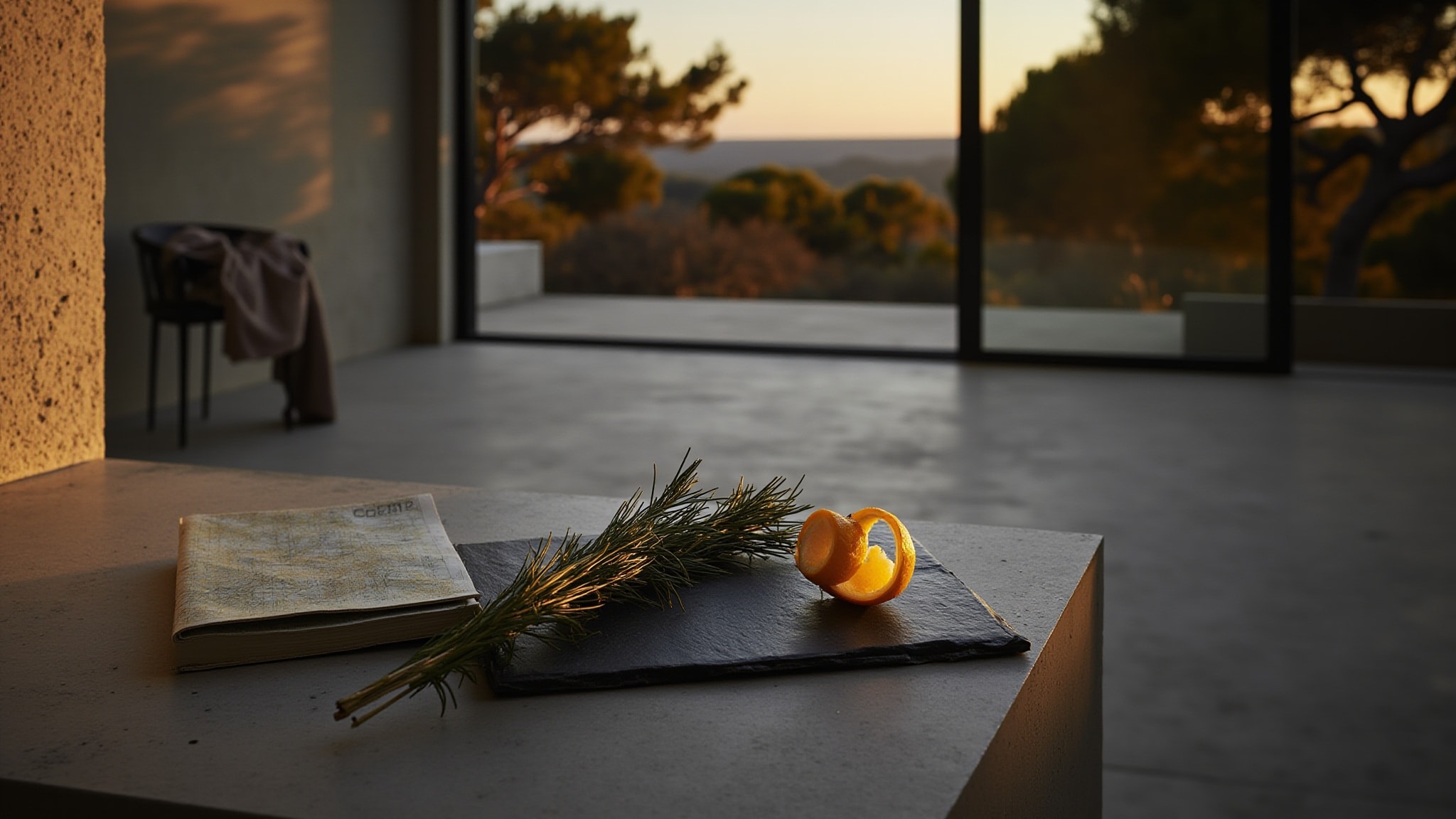
What makes Bosc unusual is its honesty about what a natural Mediterranean forest actually smells like. There is no fantasy here, no abstraction. Pine tree, oakmoss, Canary Islands juniper, rosemary, sweet orange, mastic resin, all of it sourced from the region Collado calls home. The orange is the strange note, a thread of citrus that holds the composition back from collapsing into pure evergreen, offering brightness where you would expect only shadow and resin. Mastic, the lentisque resin that anchors the base, gives a quiet bitterness that grounds the whole thing.
The evolution
The opening is almost entirely green, pine and juniper needle-sharp, with oakmoss arriving underneath like a second layer of cold soil. You catch the rosemary early too, cutting through the conifers with that clean, herbal bite. Over time the orange finally surfaces, surprising every time because it does not announce itself, it just appears when you lift your wrist. It is not a juicy orange. It is the rind, the bitter pith, and it sits against the resinous base in a way that makes the whole composition feel like cold sunlight on damp bark. As the hours pass the conifers recede, and what remains is resin, oakmoss, and a faint medicinal warmth from the rosemary that has been there all along, threading through the drydown like a quiet pulse. The mastic takes over, deepening the base with that lentisque bitterness that reads more bark than sweetness, a dry, almost stony quality.
Cultural impact
It wears as the scent of someone who knows a particular forest well enough to want it on their skin in February, and it tends to attract wearers who treat fragrance as an extension of the outdoors rather than an accessory. The composition leans literal in the best sense, rooted in identifiable sources, juniper, oakmoss, mastic, rosemary, rather than abstracted into something unplaceable. Compared to chypres built around synthetic oakmoss substitutes and lab-made bergamot, Bosc reads rougher and more direct, more of a translation of a place than a polite nod to a genre.