The Story
Why it exists.
The beginning
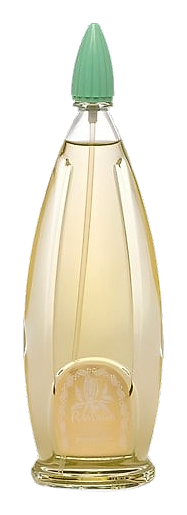
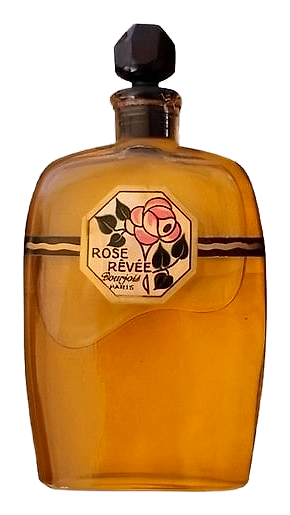
Rose Rêvée arrived in 1924 as a clear statement of intent from Bourjois. One flower, one accord, no apology. The composition centers entirely on rose, treating the bloom as the main character rather than a supporting note in a larger arrangement. It's a focused approach that lets the single ingredient carry the weight of the entire fragrance. The rose in Rose Rêvée reads as dewy and generous, the kind of petal-heavy bloom you'd find early in the morning before the sun pulls the moisture out. There's a brightness that lifts the flower from the first spray, a citrus edge that keeps the composition from collapsing into something overly dense or syrupy. The citrus doesn't dominate. It serves the rose, giving it lift and air, the way a stem keeps a flower upright.
There's something quietly radical about a rose fragrance that doesn't try to be everything. Rose Rêvée is built around the classic rose accord, and the result is a composition that reads as French floral tradition at its most distilled. The rose is allowed to be rose. Nothing dresses it up, nothing overwhelms it, nothing pulls focus away from what the flower is actually doing on the skin. The way the rose presents here is generous and full without ever tipping into excess.
The evolution
The first few minutes are where Rose Rêvée makes its entrance. The rose opens with a generous pour, full and dewy, the way fresh petals smell before they've been picked apart. There's a citrus brightness early on that keeps things from going too dense, a sharp lift that pulls the flower upward before it has a chance to settle. The citrus reads as a clean, almost cutting note, the kind of brightness you'd associate with fruit peel rather than juice. Then the citrus quietly exits. Not a dramatic shift, more like a breath fading. The rose deepens, takes on weight, moves from dewy to something richer. This is the phase that lasts the longest, the slow unfurling of a single flower into something more grounded. The floral doesn't change shape so much as deepen in register.
Cultural impact
Rose Rêvée entered the market in 1924, joining a growing conversation about how rose should be treated as the central subject of a fragrance rather than an accent. The composition's single-flower focus felt like a philosophical position at a time when many houses were building elaborate, layered rose fragrances that used the flower as a starting point for something more complex. Rose Rêvée rejected that approach. The rose was the architecture, the foundation, and the entire structure all at once.