The Story
Why it exists.
The beginning
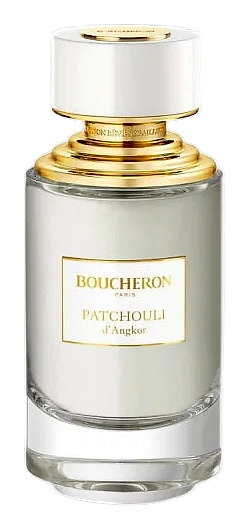
The name d'Angkor points to the temple ruins of Cambodia, those ancient sandstone structures rising from jungle and mist. The patchouli in the base is clean, velvety, and elegant. But the fragrance refuses to stay still. Pear lifts the opening. Bergamot adds citrus brightness. Jasmine rounds the heart with waxy floral sweetness. The paradox is the point: raw earth meeting refined elegance, the way temples themselves are built from nature and then transformed by human intention.
What makes Patchouli d'Angkor interesting is how the jasmine and patchouli interact. Jasmine is creamy, almost narcotic. Patchouli is earthy, camphoraceous, sometimes challenging. Here they balance rather than compete. The jasmine keeps the patchouli from becoming too heavy, while the patchouli gives the jasmine somewhere grounded to land. Guaiac wood and white musk complete the effect. Guaiac wood brings a slightly smoky, woody warmth that sits beneath the patchouli without competing. White musk adds that powdery softness that makes the whole composition feel close, intimate, wearable rather than overwhelming. It's patchouli for people who usually find patchouli too much.
The evolution
The opening is warm and dense, with a slight incense vibe. Pear and jasmine create that rich, enveloping impression before the heart takes over. Within minutes, black pepper arrives, warming the composition without adding any sharpness. The black pepper is there, but it's been tamed into something that reads as depth rather than spice. The drydown is where Patchouli d'Angkor earns its name. Patchouli, guaiac wood, and white musk are the longest-lived materials here. They arrive together and stay for hours. The white musk keeps everything close to the skin, but the patchouli is unmistakably present. On some people, the drydown reads as almost resinous, warm, powdery. On others, the guaiac wood dominates, adding a faint smokiness that lingers well into the next day on fabric.
Cultural impact
The name d'Angkor draws from the temple ruins in Cambodia, giving the fragrance a sense of mystery and heritage. For those who want the depth of patchouli but find most examples too heavy or dirty, this is a refined alternative that stands apart. The patchouli here is clean and velvety rather than brooding, offering a sophisticated take on the note that feels both grounded and elevated. It occupies a distinctive space in the Boucheron line, appealing to those who appreciate the complexity of patchouli without wanting something aggressive or powdery.