The Story
Why it exists.
The beginning
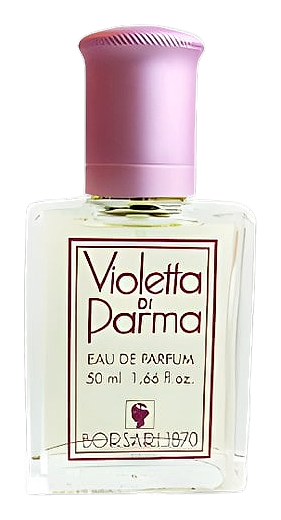
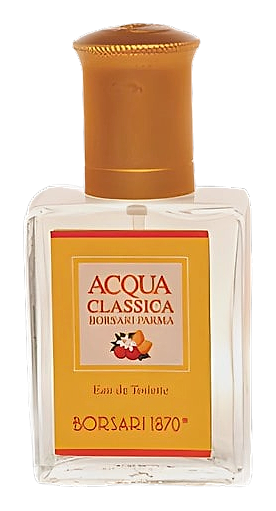
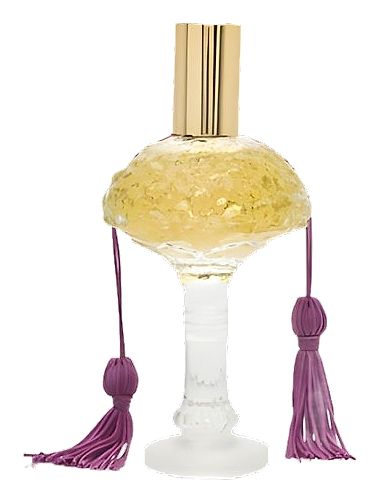
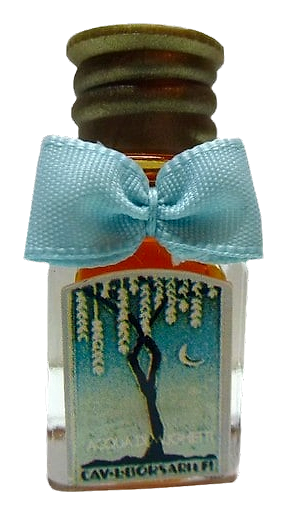
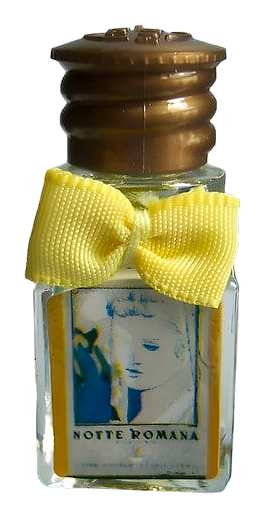
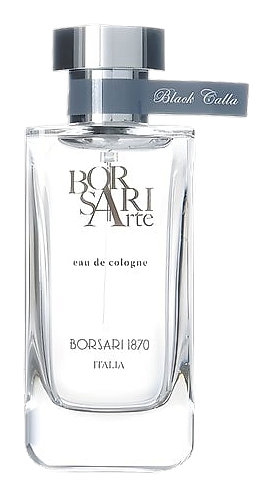
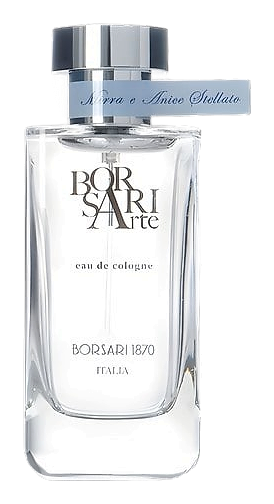
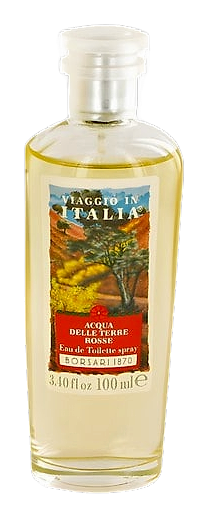
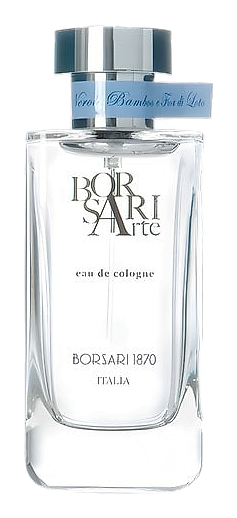
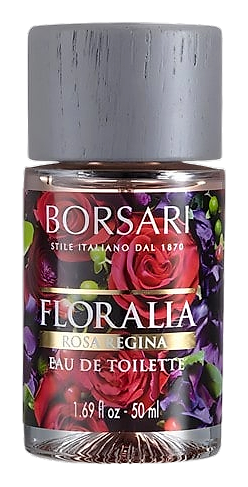
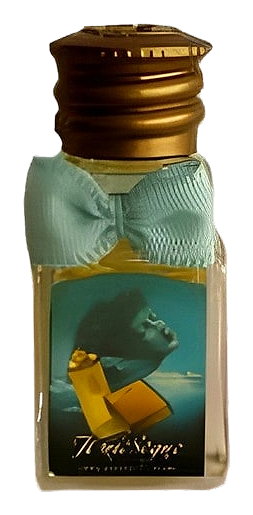
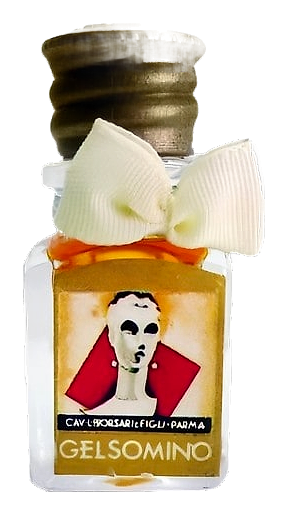
Segreto d'Amore translates to "secret of love," a name that fits the spirit of Italian perfumery in the 1930s, when personal fragrance was treated as an intimate gesture rather than a public announcement. Launched in 1936 by Borsari, an old Parma house tracing its roots to a barber's chair, the composition belongs to a vanishing category: the traditional floral-citrus cologne meant for daily, generous use. This is not a heavy-handed extrait. It is the format Borsari favored during its early decades, light constructions built around regional botanicals and the kind of restrained compositions that came from a house more concerned with personal service than grand marketing. The name suggests something withheld. The scent suggests otherwise, bright, open, and unapologetically pretty.
The floral-citrus pairing in Segreto d'Amore reflects a deliberate Italian tradition that predates modern fragrance marketing by half a century. Where French perfumery of the same era leaned toward heavier aldehyde florals and dense orientals, Borsari and other Emilian houses kept the format airy, built for the climate and the wardrobe of women who applied cologne as part of dressing, not as a separate event. The accord makes sense in context. Citrus gives the lift, the brightness that survives Parma's humid summers. The florals supply the body without weight. The result is a composition that never announces its presence but refuses to disappear either.
The evolution
The first half hour belongs entirely to citrus, bright and immediate, almost sharp against the skin before it rounds off into something softer. The transition into the heart phase is gentle rather than dramatic. Florals arrive without fanfare, less a new chapter than a softening of what came before, rose and orange blossom territory without ever naming them outright. Two hours in, the scent has shed most of its brightness. What's left sits closer to the skin, a clean musky warmth that reads more as the memory of florals than the florals themselves. There's no heavy base competing for attention. No oud, no dense amber, no resin pulling weight. Just skin that smells like it was well cared for, the kind of trace you catch on a scarf the next morning. By hour five or six, it has become almost transparent. A quiet soapy softness. On fabric, especially wool or cotton, it lingers longer than on skin. The cologne format means it was built for reapplication, for the ritual of freshening up rather than enduring once and for all. That's not a flaw. That's the design.
Cultural impact
Within the Borsari catalog, Segreto d'Amore sits among the older references, released in 1936 alongside a handful of other traditional compositions from the same period. Its positioning reflects the brand's broader approach: vintage Italian craft, cologne format, built for daily use rather than occasion-marking. The citrus-floral accord places it in dialogue with other regional Italian colognes from the early 20th century, a category now largely absent from mainstream fragrance discourse but still findable through enthusiasts tracking down discontinued and archival formulas.