The Story
Why it exists.
The beginning
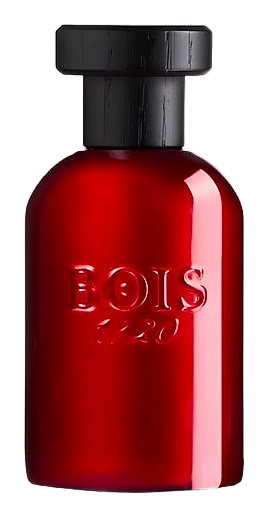
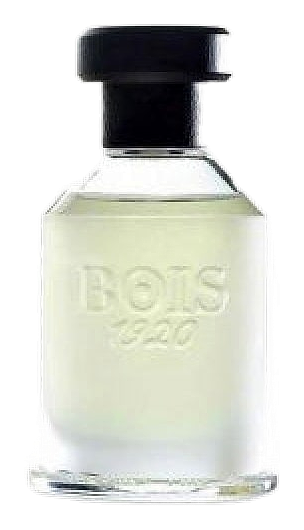
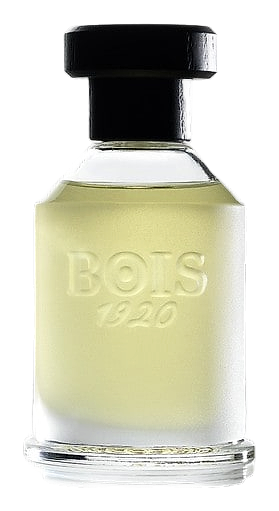
The name holds its secrets close. Rosa 23 arrived in 2016 under the hand of Enzo Galardi at Bois 1920, arriving nearly a century after the house's Florentine origins. That number, 23, never explained, never defended. But in a house built on botanical restraint and copper-still tinctures, a name that reads like an accession in a private archive feels deliberate. This is not a fragrance that introduces itself. It assumes you've already found your way here, that you know what you're looking for. Galardi chose rose as the subject and gave it an unusual counterweight: Moroccan date, a material more at home in desert markets than perfume counters. The combination is unexpected. The execution is not.
What makes Rosa 23 structurally interesting is the tension between its gourmand heart and its woody architecture. Caramel doesn't merely sweeten, it creates a bridge between the floral pyramid and the wood base, making the transition feel continuous rather than staged. Moroccan date is the unusual note: sticky-sweet, faintly animalic, with a dark fruit quality that prevents the rose from ever becoming precious. It grounds the florals in something earthier, more immediate. The woods, sandalwood and cedar, don't arrive as rescuers descending to save the composition. They simply wait, accumulating quietly beneath the florals until the florals tire. Then they become the story. That's unusual.
The evolution
Ylang-ylang opens warm, almost tropical, thick cream before it cools. Thirty minutes in, rose and jasmine arrive together, softened by caramel into something that reads more golden than pink. The Moroccan date announces itself as warmth rather than a note: a dark, sticky presence beneath the petals. This is the phase where Rosa 23 earns its name. Not a single rose, a rose soaked in something older. Two hours in, the florals begin to recede but the caramel doesn't leave with them. It persists, threading through the composition as sandalwood rises. The wood doesn't arrive dramatically, it accumulates, gaining weight slowly until it becomes the dominant impression. Cedar adds warmth without sharpness. By hour four, the sillage has moderated to something intimate, close to the skin, but what remains is primarily sandalwood and date, the gourmand still present, now dry and resinous rather than sweet. The longevity outlasts the sillage. Six to eight hours is common, though the projection softens noticeably after the first two.
Cultural impact
The 2016 launch of Rosa 23 marked a deliberate departure for Bois 1920, an artisan house rooted in Florence since 1920 and traditionally associated with vetiver-forward compositions. By introducing rose paired with an unexpected Moroccan date note, Galardi signaled a turn toward floral-gourmand territory within niche perfumery. This choice reflected a broader cultural shift in Italian artisan perfumery, where heritage houses began exploring sweeter, more accessible registers without abandoning botanical quality. The date note itself represented an unusual material in Western fragrance, drawing on Middle Eastern perfumery traditions where date and oud pairings are common.