The Story
Why it exists.
The beginning
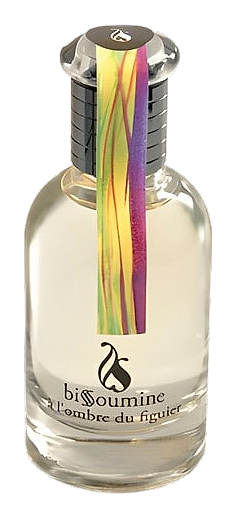
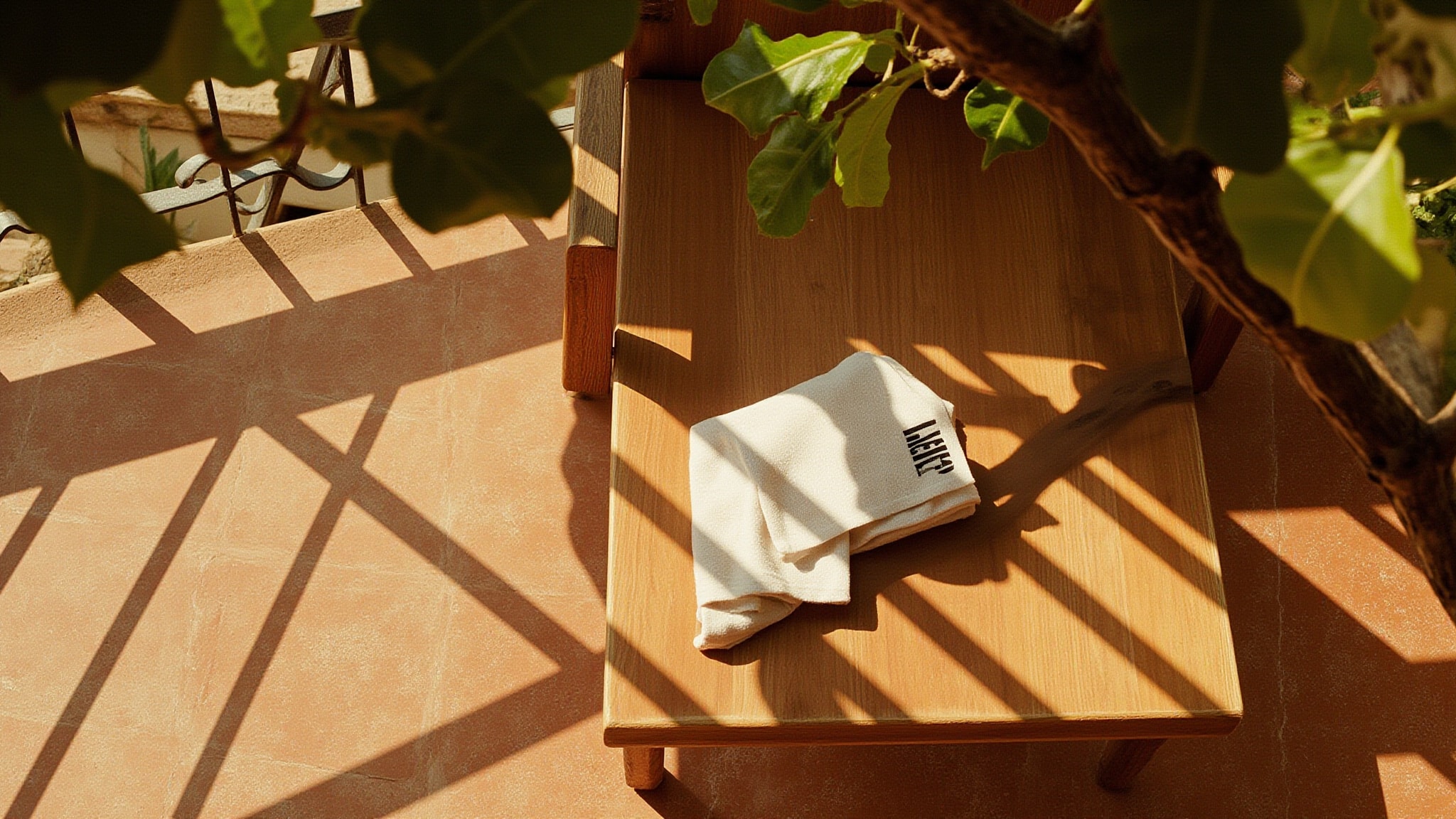
A L'Ombre du Figuier translates, plainly, to In the Shade of the Fig Tree. The name is the brief. Fig trees dominate Mediterranean landscapes, gnarled trunks, wide canopies, the kind of shade you actually want on a July afternoon. Perfumer Kitty Shpirer built this fragrance around that specific moment: the quality of light when it filters through leaves, the way warmth pools differently in shade versus sun, the smell of dry earth beneath. The choice of fig as a subject wasn't accidental. Fig carries an unusual duality in perfumery, green, vegetal, almost bitter from the leaves and stems, versus the fruit itself, which is honeyed and sultry. Shpirer wanted both. The ginger and clove arrive with intention, cutting through the fig's natural sweetness before it can go soft. The result is a fragrance named for stillness but composed with some backbone.
The structure here rewards attention. Most fig fragrances commit to one side of the tree, the green or the fruit. A L'Ombre du Figuier holds both in suspension, which is harder to execute than it sounds. The ginger and clove don't merely add warmth to the opening; they actively resist the fig's tendency toward sweetness, keeping the top register sharp and aromatic rather than fruity. This is what separates it from the pack. When the black fig finally arrives in the heart, it arrives into space already occupied, not competing, but settling in beside the green notes that came before.
The evolution
The opening hits sharp and green. Fig tree, not the fruit, the wood and leaves, arrives first, commanding and immediate. Ginger follows within seconds, clean heat that opens the nasal passages. The clove is present but restrained, a warmth rather than a spice bomb. Within thirty minutes, the green intensity softens as black fig begins to show through, still restrained, not yet sweet, more of a ripe impression than a fruity one. The floral notes in the heart are quiet collaborators rather than protagonists; they round the edges without announcing themselves. By hour two, the composition settles into its base. Sandalwood arrives first, creamy and dry, followed by musk that keeps everything close to the skin. The drydown is intimate by design, moderate sillage, the kind that requires someone beside you to notice. On fabric, the sandalwood can be detected the next morning, faint and warm, like the ghost of an afternoon nap under a tree.
Cultural impact
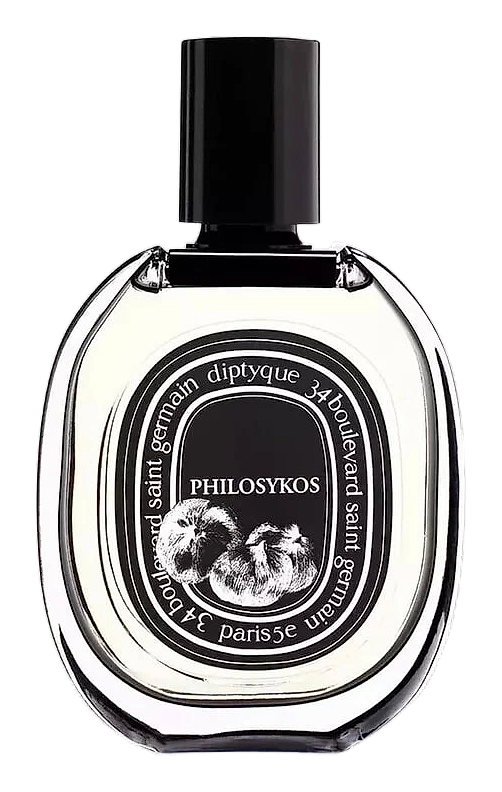
A L'Ombre du Figuier sits quietly in the fig fragrance conversation. The 2009 release arrived during a period when fig-forward compositions were gaining traction in niche perfumery, and it holds its own against more vocal competitors. What sets it apart is restraint, Bissoumine lets the fig speak without amplification. Community reviews consistently note its green authenticity, comparing it favorably to Diptyque Philosykos for those seeking a less synthetic green fig experience.