The Story
Why it exists.
The beginning
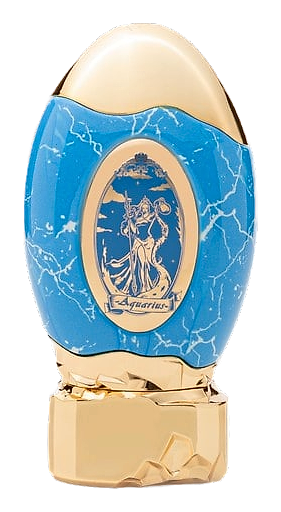
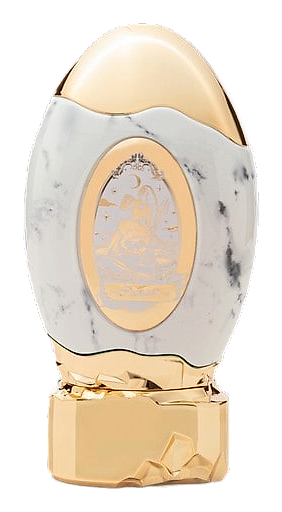
Cancer, the crab. The sign of the shell, the tide, the inward pull. Margherita Carini composed Cancer, and the connection runs personal: her childhood best friend carries the sign, a person who long embodied that particular blend of softness and emotional depth. The result is a fragrance that doesn't reach outward. It draws you in. Cyclamen and Spanish lemon open bright, almost cheerful, then the rosewood takes the conversation somewhere quieter, more intimate. It is crafted for intuition, for the strength that lives beneath the surface. Cancer is not a loud fragrance. It is the one worn when you trust yourself enough to stop explaining. There's something about wearing it that feels less like applying perfume and more like remembering a mood you didn't know you were missing.
Most zodiac-themed fragrances lean on big gestures, and Cancer takes a quieter one. The wood at the center is a soft wood, not a smoky one, with a creamy, almost powdered warmth that feels like skin more than timber. Combined with cyclamen, a flower that carries a green, watery quality reminiscent of rain on stone, the heart becomes something rare: a fragrance that feels both grounded and floating. The rosewood anchor gives Cancer its quiet authority.
The evolution
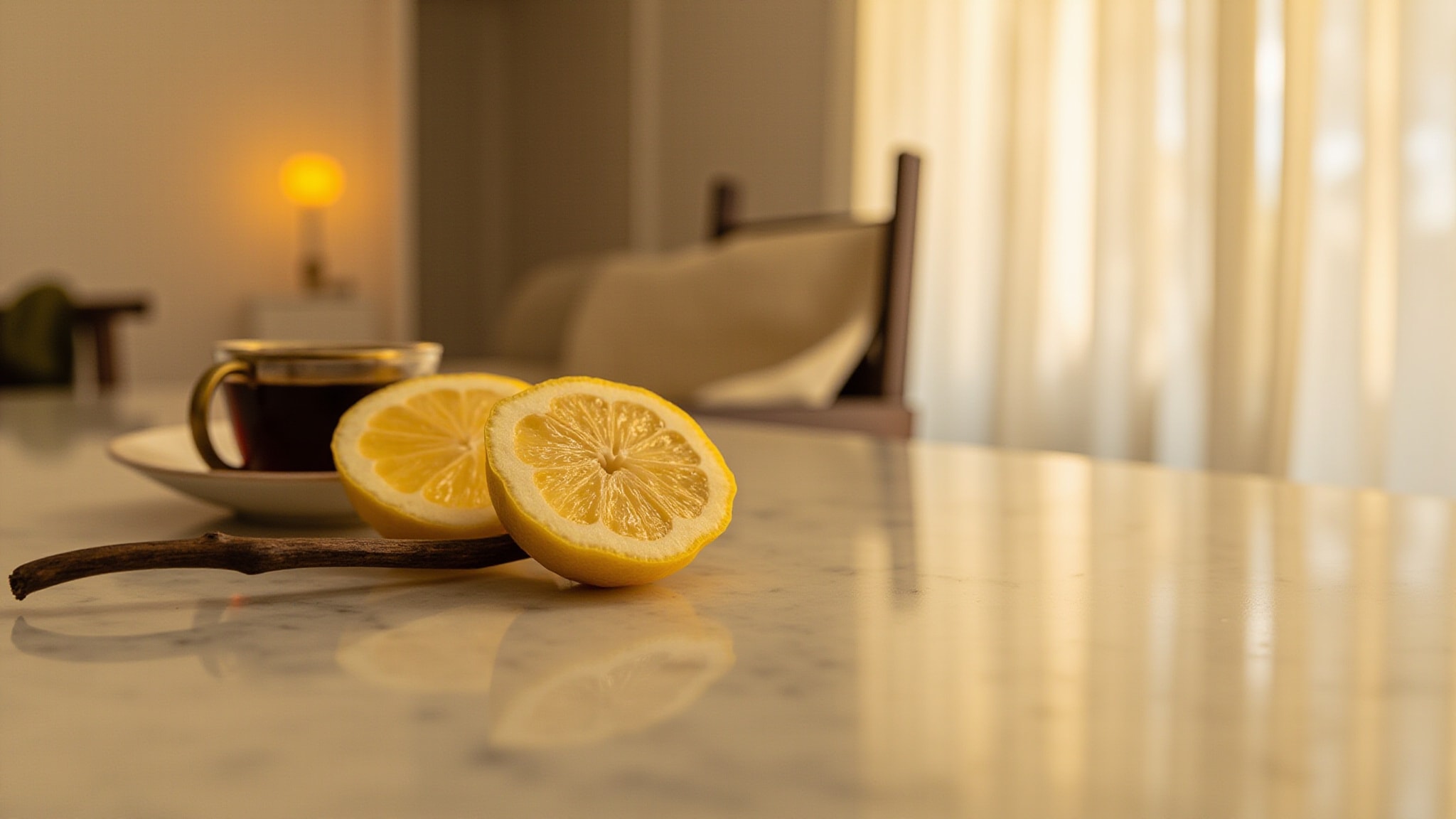
On skin, Cancer opens with a clean, almost aquatic snap. Spanish lemon cuts first, bright and sharp, followed by mandarin's softer sweetness. Cyclamen floats through both, lending a cool, watery transparency that keeps the citrus from feeling simple. The ylang-ylang warms underneath, and the rosewood begins to rise, creamy and slightly sweet, like wood that's been held in hands a long time. The heart holds for the next stretch of wear, a quiet, powdery warmth that reads as close skin, not perfume. As the hours pass, cedarwood emerges fully, grounding everything in a dry, clean woodiness. The musk that follows isn't white musk or laundry musk; it's warmer, more human, the kind that makes you think of a worn sweater. What lingers late into the day is that rosewood and cedar blend, faint but unmistakable, the quietest kind of presence, the kind that stays without ever announcing itself.
Cultural impact
Cancer belongs to a category of fragrances built around astrological identity rather than heritage status or designer name recognition. The composition is rooted in the language of intuition and personal meaning, choosing emotional register over traditional luxury codes. The fragrance appeals to wearers who select scent based on mood, symbolism, and inner landscape rather than external validation. In that sense, Cancer works less as a display object and more as something carried close, chosen the way you might choose a stone or a phrase to keep in your pocket.