
The Story
Why it exists.
The beginning
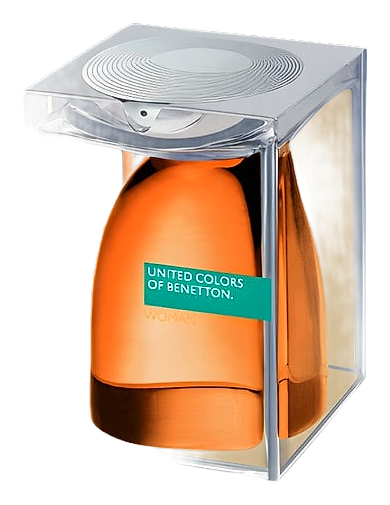
United Colors of Benetton Woman arrived in 2006 as part of Benetton's long-running effort to translate its colorful identity into scent. The brief was straightforward: take the optimism of the brand's fashion line and compress it into something you could wear to work, to dinner, to nowhere in particular. Perfumer Alain Astori worked with a palette that mixed citrus brightness up top with powdery florals at the heart, then grounded everything in cashmere wood and cocoa, materials that give warmth without the heaviness of vanilla or amber. The result sits comfortably between casual and composed, which is exactly the point.
What makes this composition interesting is the cotton flower, not a common perfume material, and not really a floral either. It reads more as texture: a clean, airy softness that lifts the heliotrope and iris without adding weight. The cocoa in the base is another quiet choice. It's there for warmth, but the way Benetton uses it feels skin-like rather than edible. Together with cashmere wood and white musk, it creates a drydown that stays close without disappearing, the kind of scent someone notices when they lean in, not when you walk into a room.
The evolution
The opening is all mandarin and neroli, clean, straightforward, a little soapy in the way that neroli sometimes gets. Within twenty minutes the citrus softens and cotton flower takes over, adding a texture that's almost fuzzy. Heliotrope and iris arrive next, making the whole thing powdery without crossing into baby powder territory. The cocoa is a background player throughout, you feel it more than you smell it, a warmth that keeps the florals from being too precious. Cashmere wood and white musk anchor the drydown, which stays close to the skin and fades by hour four or five. On fabric, it lingers longer, you'll find traces in a scarf the next morning.
Cultural impact
United Colors of Benetton Woman fits squarely within Benetton's fragrance tradition: accessible pricing, optimistic character, and a composition designed to please rather than provoke. The powdery-floral structure places it in the tradition of mass-market scents that prioritize wearability over distinctiveness. It has maintained a quiet presence since 2006, neither a cult favorite nor a forgotten release, the kind of fragrance that gets repurchased for its value rather than celebrated for its artistry.