The Story
Why it exists.
The beginning
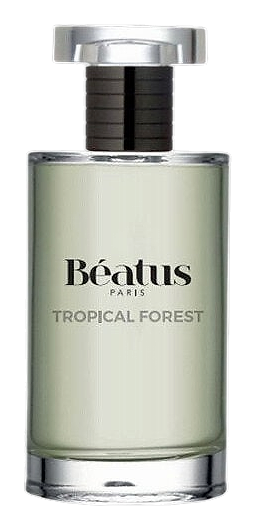
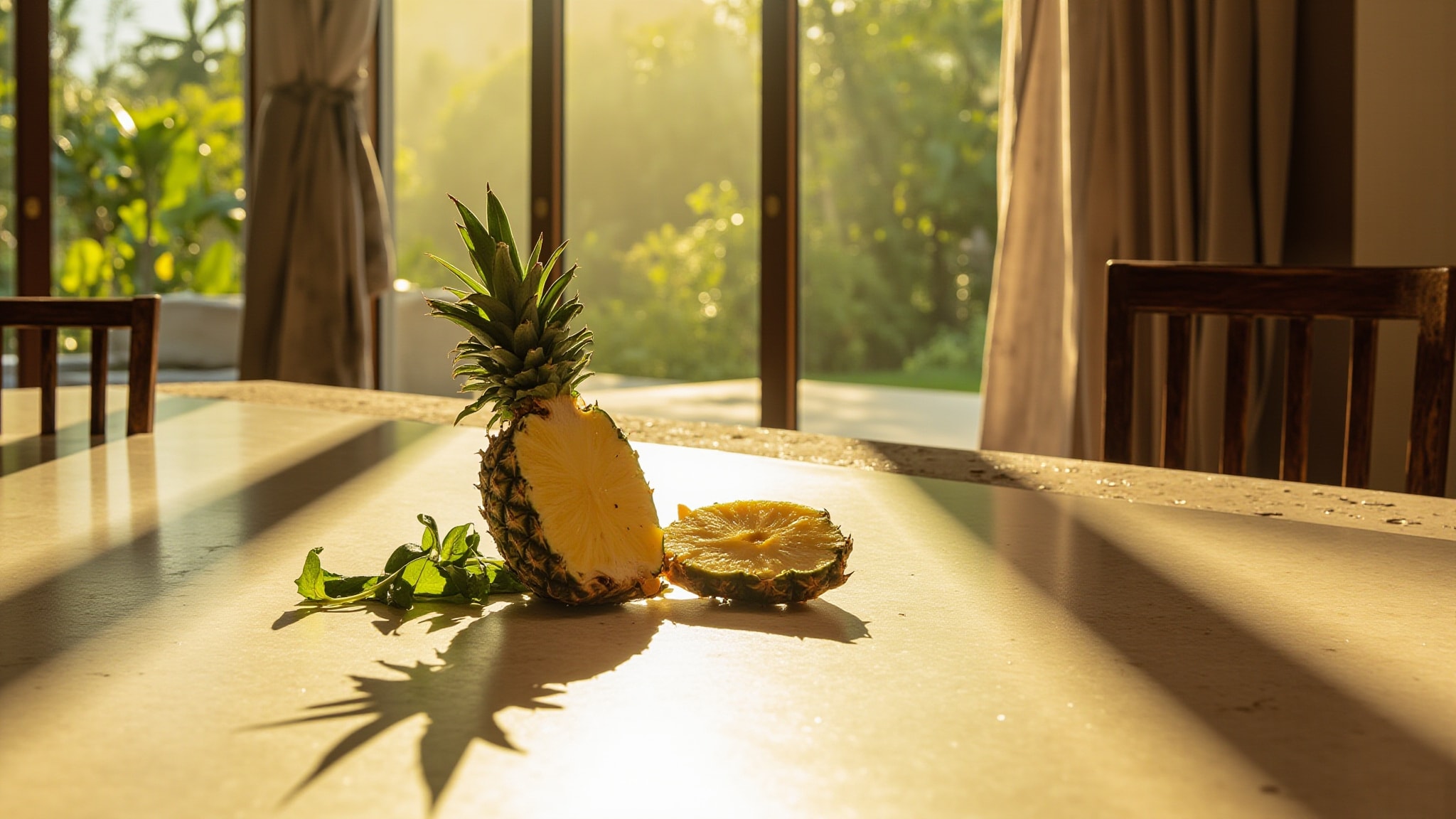
Tropical Forest opens with warmth and ends with weight. Pineapple and green apple give the brightness, their combined sweetness lifting the top notes into something immediate and inviting. There's a tartness in the green apple that keeps it from being saccharine, while the pineapple brings tropical immediacy without veering into synthetic territory. The fragrance builds from there into darker territory. Oud and vetiver give the answer, grounding the brightness in resinous depth. The oud arrives with its characteristic smokiness, while vetiver adds an earthy, slightly smoky quality that keeps the composition close to the skin. The tension between those two impulses, the bright opening and the darker base, becomes the fragrance itself.
The heart is where Tropical Forest earns its complexity. Geranium and basil shift the trajectory away from pure tropical sweetness. There's something almost medicinal in the basil, clean and slightly bitter, that keeps the scent grounded and prevents it from floating away entirely into something light. Combined with rose in the heart, it adds a dimension of floral warmth that threads through the herbal qualities without overwhelming them. The base is where the real commitment lies. Oud isn't a supporting player here.
The evolution
The opening establishes the tropical intent immediately. Pineapple, bergamot, green apple, bright and slightly tart, an immediate hit of tropical without the cliché. Then the handoff begins. The fruit doesn't disappear; it recedes, making room for geranium and basil to take over. The shift is noticeable. One moment you're in sunshine, the next you're in something cooler, greener, more considered. The fern heart has fully arrived, taking the composition into more herbal territory. The base announces itself slowly, oud first, then sandalwood, then amber beneath everything. Vetiver keeps it close to the skin. This isn't a fragrance that announces itself across a room. It rewards proximity. The drydown settles into something that reads as warm wood and faint sweetness, lingering on fabric for an extended period.
Cultural impact
Tropical Forest enters a lineage of tropical fragrances that reshaped modern perfumery's relationship with exotic freshness. Houses have made tropical notes central to fragrance collections, moving beyond the templates that dominated earlier decades. Beatus Paris joins this tradition with a specific proposition: tropical fruit as an opening act for something darker and more resinous. The pineapple note anchors the opening, bringing brightness and character that carries through the composition.