The Story
Why it exists.
The beginning
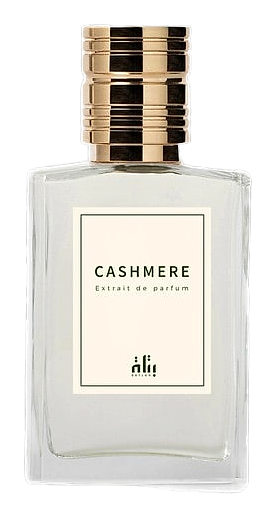
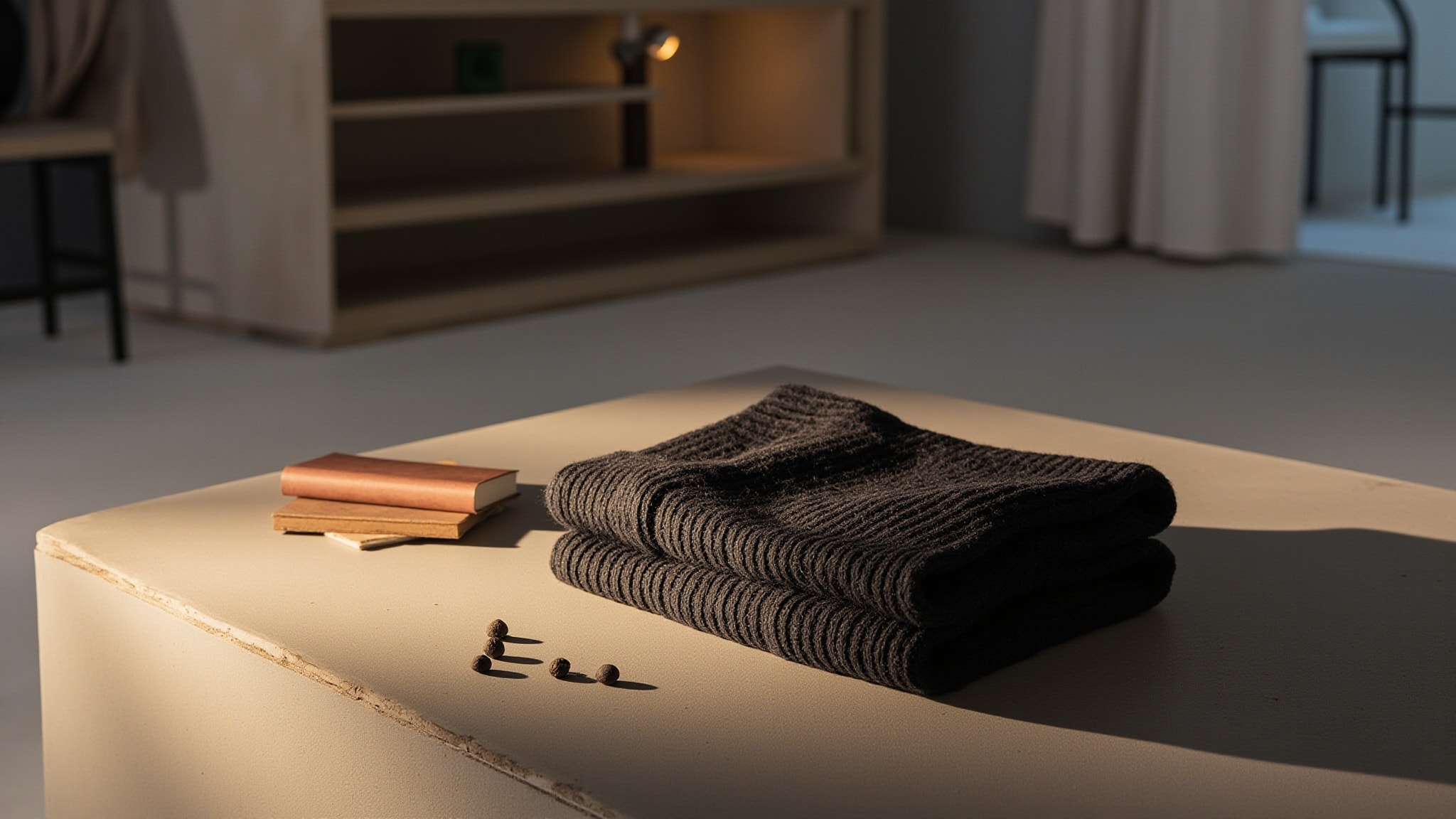
There's a particular comfort to cashmere, the way it drapes heavy without weighing you down, how it holds warmth without trapping it. That's the feeling Batlah reached for in 2024, translating fabric into fragrance with the help of perfumer Amandine Galliano. Galliano built the composition around contrast: iris at the top, powdery and almost cold, meets black pepper that refuses to let it stay quiet. The name isn't a marketing gesture. It's a brief. Make something that feels like the best thing you own.
Iris is one of perfumery's more difficult materials to deploy well. Too much and the composition turns into a makeup counter. Too little and the powdery elegance never arrives. Pepper and iris sit together in the top accord, and the pepper does something the iris alone can't: it adds a dryness, a graininess, a textural counterweight that keeps the iris from drifting into something pretty. The dry wood in the heart acts as a neutral spine, neither warm nor cold, offering a kind of architectural support that holds the composition together through the middle hours.
The evolution
The first 15 minutes are where Cashmere announces its terms. Iris arrives with that distinctive powdery, rooty quality, slightly earthy, slightly mineral, like the dust inside a cedar box. Then the black pepper surfaces, not as heat exactly, but as a dryness, a graininess that makes the iris feel less decorative. Within 30 minutes, the pepper settles and the dry wood takes over. Not sweet wood. Not smoky wood. Wood the color of a winter afternoon, neutral, grounding. The iris never fully leaves, but it retreats into the wood like a memory. By the two-hour mark, the ambrette and musk take the floor. The ambrette brings a warm, slightly nutty quality, almost like toasted seeds, and the musk creates that close-to-skin intimacy that makes Cashmere feel less like a perfume and more like something you are. The drydown is where this composition does its most interesting work.
Cultural impact
Cashmere works on a different register than most comfort-coded scents. Where sweetness often dominates that territory, this composition goes structural, built around dry wood, powdery iris, and a skin-close musky base. The result is something that reads as tactile rather than decorative, closer to a texture than a flavor. The dry wood heart and the way the composition settles into the skin make it less of a statement and more of a signature, something you wear when you want to feel considered rather than noticed. It's the kind of fragrance that rewards attention without demanding it, and its appeal lies precisely in that restraint.
The House
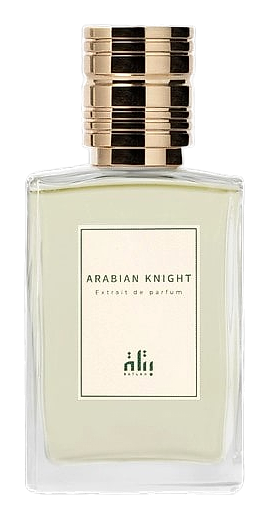
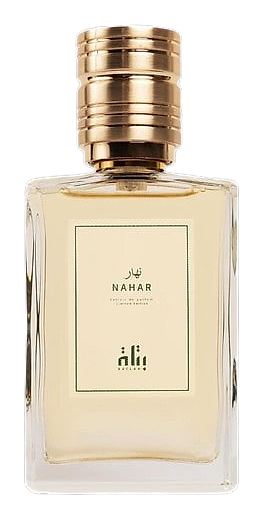
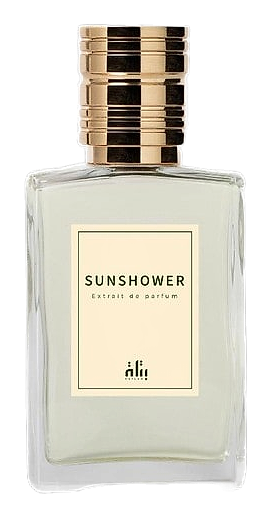
BatlahBatlah is a Saudi fragrance house founded by HRH Prince Mohammed Alfaisal Alsaud. Its identity is closely tied to Taif rose and the wider tradition of Arabian perfumery. The house presents itself through expressive compositions such as Taif Rose, Heritage, Cashmere, Nahar, Feminine Muse, Snow & Spice, Sunshower, Arabian Knight and Turquoise. These names suggest a varied wardrobe, moving from rose-led scents to woody, aromatic and seasonal interpretations. Public coverage often describes Batlah as a perfume house based in Lur, while the available sources do not establish a precise founding date. The brand’s clearest point of reference is the Taif rose, a valued material in Saudi fragrance culture.
The Creator
Amandine GallianoGalliano’s technique favors transparent structures built around a dominant natural heart. She frequently starts with a single flower or resin, amplifies it with a carefully chosen base of cedar, sandalwood, or amber, and finishes with a whisper of citrus or spice to add lift.