The Story
Why it exists.
The beginning
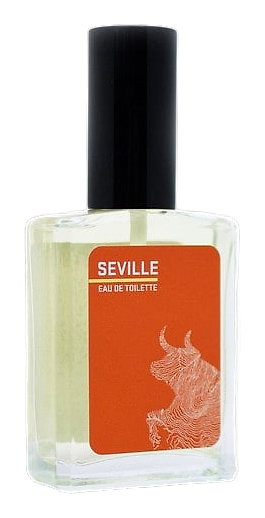
Barrister and Mann built their name on classical structures and literary references. Seville was the fragrance that made people notice, a barbershop composition so assured it earned the nickname "God's barbershop" from the wetshaving community that first embraced it. When the EdT arrived in 2017, perfumer William Carius had a clear mandate: preserve the character everyone already loved, and let the concentration do the rest. The result carries the same accord hierarchy as the original, rearranged for a lighter hand and a shorter runway.
What makes Seville read as barbershop, and not just clean, is the oakmoss doing structural work in the base. Most modern interpretations soften or skip the moss entirely, chasing that talcum-powder finish that reads as nostalgic without the weight. Carius kept it. That earthy, slightly indolic quality is what prevents the composition from floating off into abstraction. It gives the lavender something to stand on, and it gives the wearer something to remember hours later.
The evolution
Lemon and bergamot arrive together, sharp and immediate, a bright citrus burst that announces itself without apology. Within minutes, the rosemary pushes through, cutting the sweetness and adding that green, slightly camphorated edge that distinguishes this from a simple lavender water. The transition to heart takes about fifteen minutes, when the lavender finally asserts itself as the dominant voice. This is the phase people photograph on fragrance boards: warm, herbal, the smell of steam rising from a hot towel. The base doesn't arrive so much as settle. Patchouli adds the faintest darkness beneath the moss, keeping the finish from going fully powdery. On most skin, lemon is gone within the first hour. Lavender holds through hour three. Oakmoss and patchouli are what you're left with at the end, close to the skin, intimate, the kind of drydown that someone has to be standing near you to notice.
Cultural impact
Seville occupies a particular position in the niche fragrance community as the house's most approachable work, the fragrance that converts skeptics. Its barbershop character is intentional and unapologetic, drawing from the wetshaving tradition that first shaped Barrister and Mann before the house expanded into full perfumery. Unlike reinterpretations that use the barbershop label as cover for something sweeter or more modern, Seville commits to the genre's classical structure. That fidelity has made it a touchstone for collectors who came to the house looking for fragrance that behaves like the real thing.