The Story
Why it exists.
The beginning
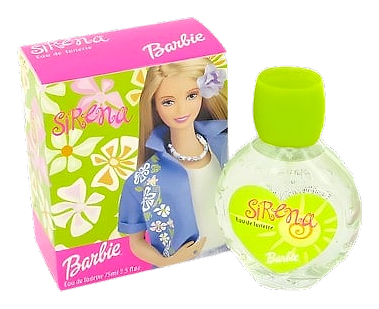
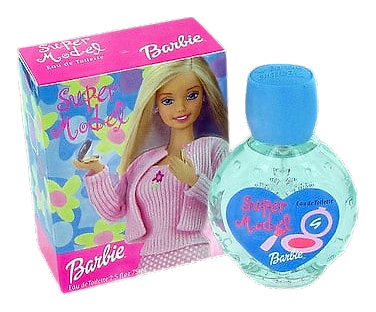
Barbie Super Model arrived in 1995, when the supermodel era was at peak cultural saturation. The name wasn't casual, it was aspirational. Supermodels weren't just faces; they were architects of an idea about women who walked into rooms on their own terms and made everyone else adjust. Mattel built that same promise into the doll's universe years earlier, but 1995 gave the brand a chance to translate runway glamour into something a younger audience could wear. The brief seemed to be: confident without being intimidating, sweet without being childish, and unmistakably Barbie. Grapefruit and lemon opened with the kind of brightness that reads as ambition. Jasmine and rose kept it feminine. Tonka bean and vanilla ensured it would linger the way good memories do.
What makes Super Model work is the way its materials negotiate with each other. The grapefruit and lemon don't just add freshness, they create a slightly green, almost bitter edge that keeps the sweetness from sliding into saccharine. That tension is the whole composition's engine. When jasmine arrives, it arrives into that slightly astringent space, which makes it read cleaner, less heady than jasmine can sometimes be. The rose does similar work: it softens the citrus without erasing it. And then the tonka bean arrives late, anchoring the sweetness to something warm and dry rather than sticky.
The evolution
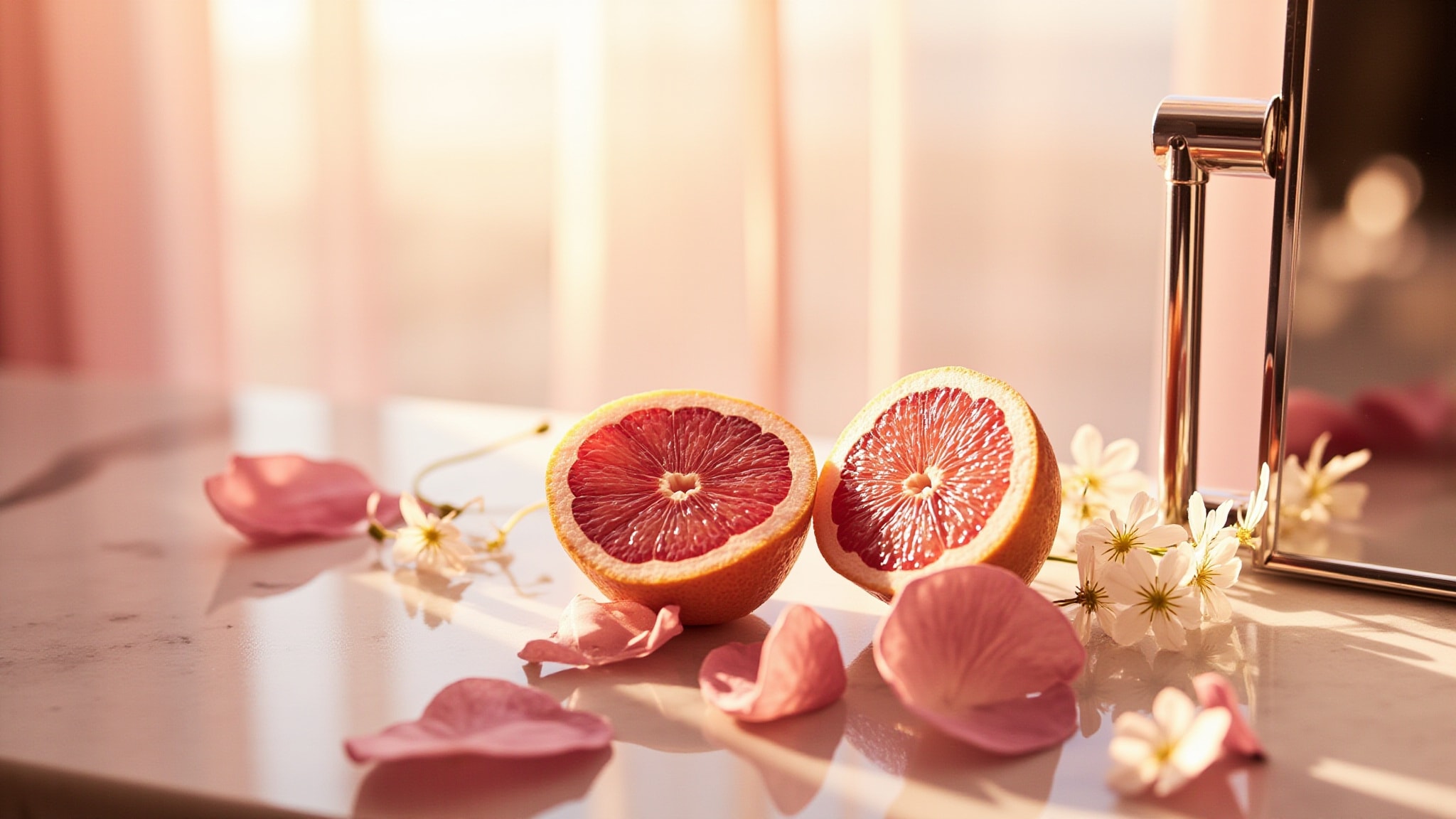
The first fifteen minutes are pure citrus. Grapefruit dominates, tart, bright, with that slightly artificial edge that makes it read as energy rather than sweetness. Lemon shadows it, adding sharpness. There's a green note underneath that doesn't come from any specific ingredient but creates the impression of something newly opened, like a window thrown wide. Then the hand-off begins. The citrus doesn't disappear so much as recede, giving the jasmine and rose room to breathe. The florals arrive soft and sweet, carrying the composition into its middle phase. For the next two to three hours, the fragrance hums along in that floral-sweet register, present without projecting aggressively, comfortable in its own skin. The drydown is where the tonka bean and vanilla do their work. Sweet, warm, intimate. It stays close to the skin rather than announcing itself. Some wearers catch a ghost of it on their clothes hours later, a pink memory of a younger, more unguarded version of themselves.
Cultural impact
Super Model exists in an interesting space: a 1995 fragrance that people still seek out decades later. That's not nothing. The Barbie fragrance line has always had a complicated relationship with its audience, products designed for children who grew up, moved on, and sometimes came back. What keeps Super Model in conversation isn't nostalgia alone. It's that grapefruit opening. That specific, chemical-bright citrus that some people find synthetic and others find perfect. The fragrance invites strong opinions, which is more than most flankers can claim.