



Heritage
A house, in its own words
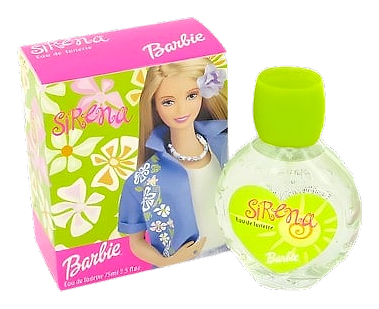
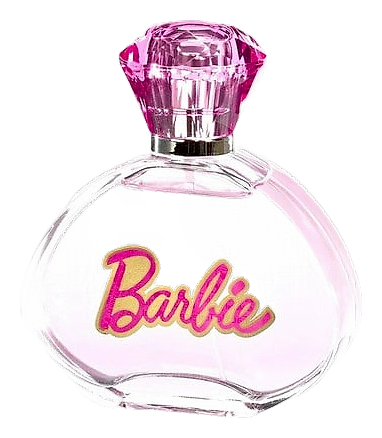
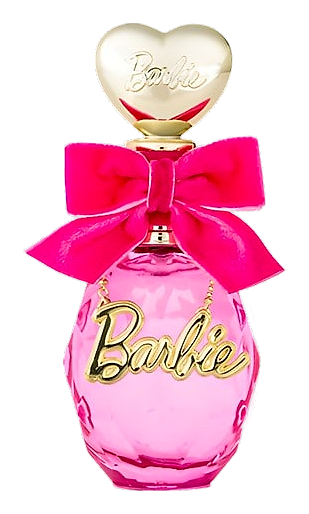
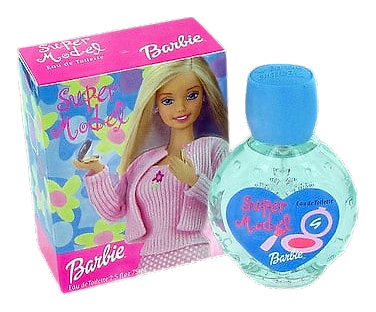
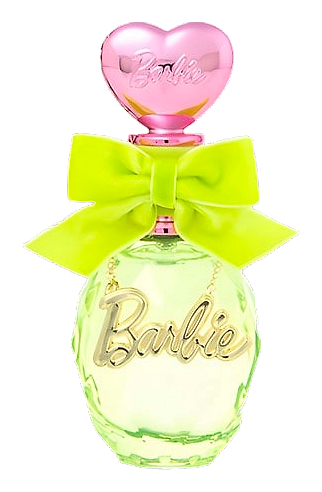
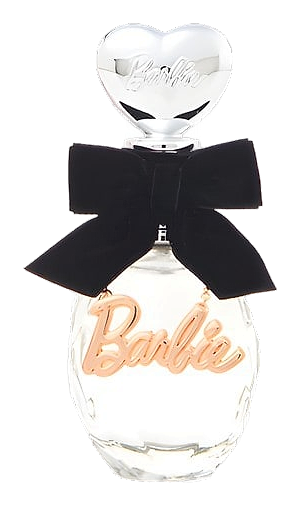
Ruth Handler created the first Barbie doll in 1959, naming it after her daughter Barbara Handler. A former businesswoman who co-founded Mattel, Handler observed her daughter playing with paper dolls that represented adult roles and recognized a gap in the market for a toy that let children imagine their future selves. The first Barbie doll debuted at the New York Toy Fair, initially manufactured in Japan and modeled after a German doll called Lilli that Handler had discovered during a trip to Europe. Mattel acquired the rights to Lilli and transformed it into the American icon that would eventually become a cultural phenomenon spanning more than sixty years. The fragrance line emerged as an extension of the doll's appeal, beginning with scented body products marketed to young girls who wanted their toys to smell as aspirational as they looked. Pretty Barbie arrived in 1988, part of a broader strategy to create complete sensory experiences around the doll brand. Throughout the 1990s and 2000s, Mattel released numerous fragrance iterations tied to specific Barbie lines and fantasy narratives, including Barbie Princess in 1997 and the Sirena mermaid-themed scent in 2003. The Fairytopia collection brought enchanted floral fragrances to shelves in 2005, coinciding with the direct-to-video animated film of the same name. More recently, DefineMe Creative Studio partnered with Mattel to develop an officially licensed adult fragrance collection, marking a deliberate expansion into prestige children's brand territory. The Barbie fragrance philosophy centers on the idea that scent is integral to identity and imagination. From the earliest product launches, Mattel understood that children form deep attachments to multi-sensory experiences, and fragrance became a natural extension of the doll-playing ritual. The brand philosophy embraces self-expression without prescription, allowing wearers to construct their own narratives around what each scent represents. Where many children's fragrances lean heavily into saccharine sweetness, the Barbie approach has historically included florals, fruits, and occasionally gourmand notes that suggest complexity and maturity. The DefineMe partnership reinforced this by positioning Barbie fragrance as aspirational rather than exclusively juvenile, appealing to adult nostalgia alongside new younger audiences. The underlying belief holds that fragrance can empower, that wearing a particular scent allows someone to inhabit a version of themselves they find compelling. This philosophy connects directly to the core Barbie message that girls can be anything, a message Ruth Handler embedded in the original doll's design by giving her an array of professional outfits and career paths. Fragrance operates as another costume in this tradition, a way of trying on identities through scent rather than fabric.