
The Story
Why it exists.
The beginning
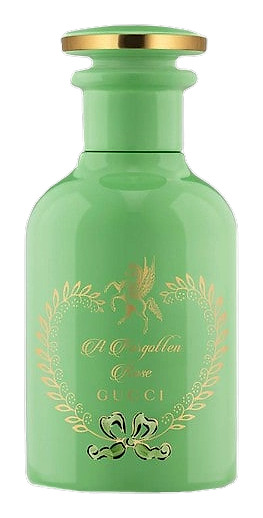
Gucci's Alchemist's Garden collection draws from perfumery's oldest magic, the transformation of raw botanical material into something wearable, something that holds memory. "A Forgotten Rose" is named for what it does: arrive with quiet confidence, then slip away before you can pin it down. Alberto Morillas built this around Bulgarian rose as the central gesture, supported by pink pepper and musk. The concept is a rose that exists in the moment of forgetting, not the rose you remember, but the rose you almost caught. Part manifesto, part olfactory paradox.
The structure is deliberately spare. Three materials, Bulgarian rose, pink pepper, musk, doing exactly what they need to do and nothing more. No woodsy base competing for attention, no citruses muddying the opening. Rose-forward means rose-forward. Pink pepper adds the faintest lift, the suggestion of spice without the heat. Musk softens everything into proximity. It's a composition that trusts the wearer to find the quiet rather than having it forced upon them. That restraint is what makes it distinctive, not what it adds, but what it leaves out.
The evolution
The opening doesn't burst. It arrives, soft, slightly honeyed, edged with something that recalls vintage rose oils. You almost miss it. Bulgarian rose at its most classical, not performing. Within the first hour, pink pepper threads through, a brief flicker of warmth at the edges before it settles. Then the musk takes over, not replacing the rose but surrounding it, softening everything into powder. By the third hour, the rose exists more as memory than presence, warm, intimate, close to the skin. What remains is the quiet that made it worth wearing in the first place.
Cultural impact
A Forgotten Rose entered a fragrance landscape shifting away from bold, announced scents toward intimate, personal ones. Its 2019 arrival in Gucci's Alchemist's Garden collection positioned rose not as a statement but as an experience, closer to memory than marketing. The perfume oil format itself signaled a move away from traditional spray structures toward something more deliberate, application-based, almost ritualistic. Rose has deep roots in perfumery, but the Bulgarian variety carries particular prestige, associated with attar traditions and Eastern European craft. Gucci tapped into this heritage while keeping the presentation deliberately spare, a single note held in place by pink pepper and musk rather than layered complexity. The response from fragrance communities suggests the approach resonated, filling a gap for those seeking presence without projection, a rose that rewards proximity rather than announcing itself across a room.
The House
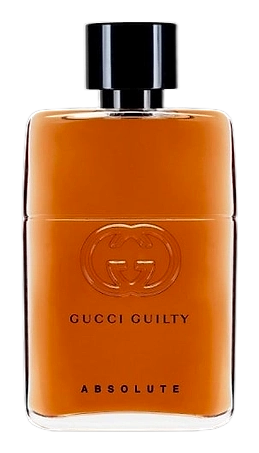
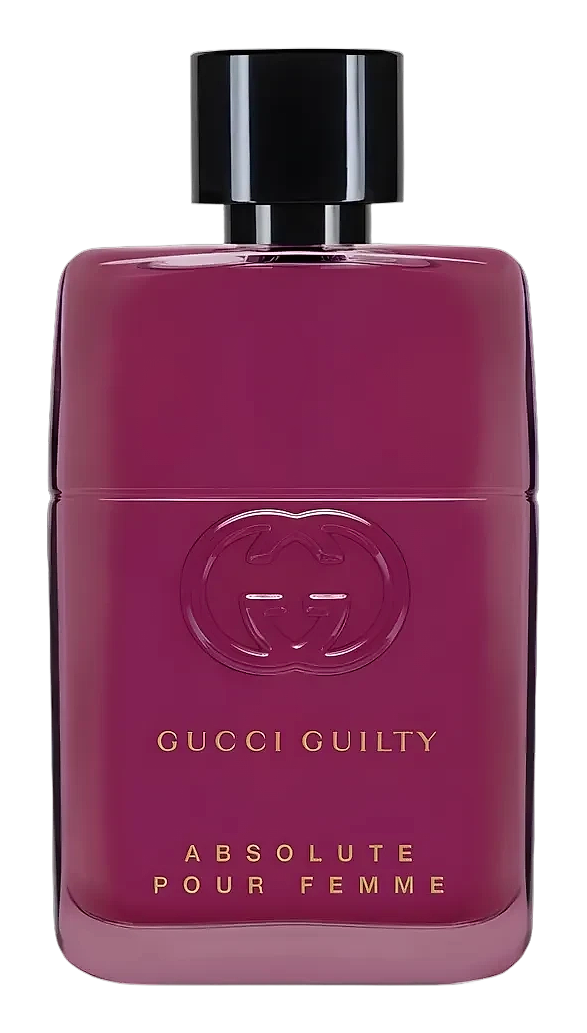
GucciSince 1921, Gucci has woven Italian craftsmanship into every facet of its creative identity. The House's venture into perfumery began in 1974, extending its Florentine heritage into olfactory form. Gucci fragrances capture the House's bold spirit: a collision of opulence and edge, tradition and provocation. From Gucci Envy's 1994 debut to the 2017 launch of Gucci Bloom under Alberto Morillas, each scent carries the House's signature audacity. Gucci Guilty Absolute (2025) continues this lineage, marrying intensity with unmistakable elegance.
The Creator
Alberto MorillasMorillas' style is characterized by a luminous transparency and a masterful use of musks. He often incorporates citrus notes to create a bright, uplifting effect.