The Story
Why it exists.
The beginning
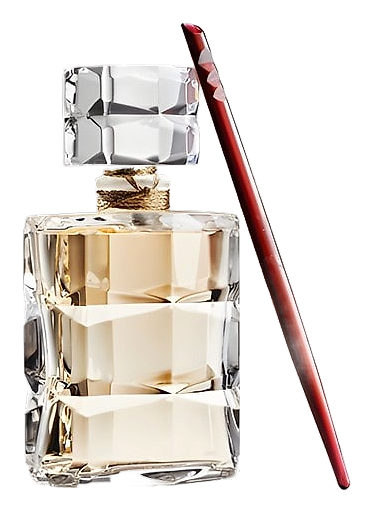
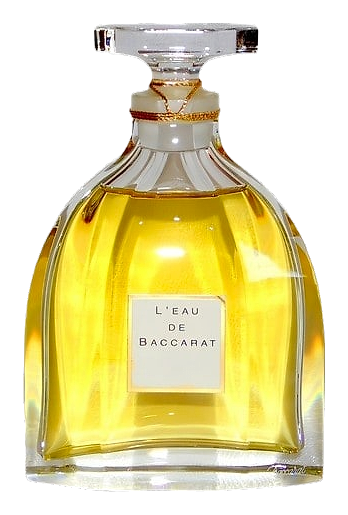
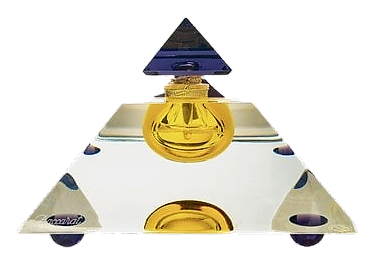
Thebes. Ancient Egypt's city of the living god, where Karnak's columns still stand and the Nile once carried pharaonic barges between temple pylons. Baccarat named this 1998 composition Les Larmes Sacrées de Thèbes, the sacred tears of Thebes, and the reference is less biblical lament than funerary ritual. Tears shed not in grief but in reverence. Amber resin, myrrh, frankincense, the raw materials of ancient Egyptian ceremony, dissolved and rebuilt into a modern Eau de Parfum that carries the weight of incense offerings without the dust. The house that cut crystal for Louis XVIII turned its hand to liquid stone, and the result is a fragrance that behaves like a reliquary: small, dense, meant to be opened slowly.
What separates this from the thousand other amber-resinous compositions crowding the late 1990s market is the frankincense-myrrh axis doing structural work rather than decorative. Too many fragrances treat these materials as atmospheric garnish, a churchy whisper in the back third. Here they are load-bearing. The cardamom and black pepper cut into the resin like light through a clerestory window, giving the incense its architectural edges. Ylang-ylang and jasmine bring an almost tropical sweetness that keeps the composition from collapsing into pure austere devotion. It's a balancing act between sacred and sensual, and the success rate is high.
The evolution
The first fifteen minutes are surprisingly alive. Cardamom and black pepper push forward before the resins settle in, giving the opening a spiced, almost edible warmth that suggests chai or mulled wine rather than temple smoke. Then the incense arrives, and the composition shifts register entirely. The frankincense and myrrh don't so much replace the spices as absorb them, pulling the warmth downward into something denser and more meditative. By the two-hour mark the fragrance has settled into its true voice: a deep, golden amber laced with sandalwood and a faint musky sweetness underneath, the ghost of ylang-ylang still breathing somewhere in the lower notes. The drydown is the longest chapter, lasting well into the next day on fabric. On skin, the sillage stays moderate, never projecting aggressively, but the longevity is genuinely impressive for a composition this old. The final trace is warm, resinous, slightly sweet, like the smell that lingers in a room after the candles have gone out.
Cultural impact
Les Larmes Sacrées de Thèbes sits in an unusual position within the Baccarat lineup. The house is globally synonymous with Rouge 540, but this 1998 composition predates that blockbuster by nearly two decades and represents an earlier, more devotional aesthetic. Reports place it among the most expensive perfume products ever sold, with figures around $76,000 per bottle for collector editions, a price point that places it firmly in the realm of objet d'art rather than everyday fragrance. It's the scent for someone whose taste runs to amethyst geodes and gilded prayer books, not minimalist white teak. If Rouge 540 is Baccarat's contemporary crystal chandelier, this is the reliquary in the back of the collection: smaller, older, and considerably more mysterious.