


Heritage
A house, in its own words
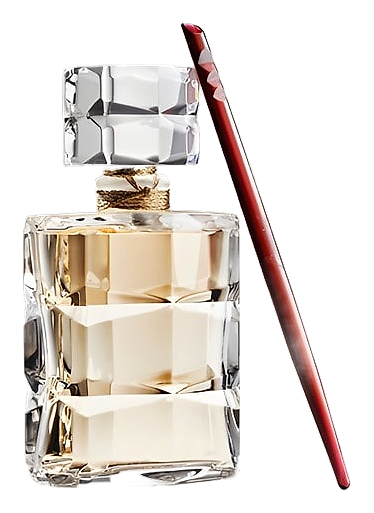
Baccarat traces its origins to the Lorraine region of France, where the company was established in 1764. Initially producing window glass and mirrors, the house shifted focus to crystal in the early 19th century and earned recognition when King Louis XVIII commissioned a set of crystal glasses. Throughout the 19th and 20th centuries, Baccarat supplied crystal to European royalty and aristocratic households, developing its reputation for precision-cut crystal and elaborate chandeliers. The company expanded into fragrance relatively late in its history, collaborating with external perfumers rather than maintaining an internal nose. The partnership with Francis Kurkdjian's Maison Francis Kurkdjian produced the house's most recognizable scent, Baccarat Rouge 540, which launched in January 2016 as an eau de parfum marking Baccarat's 250th anniversary. Kurkdjian had previously composed his first major perfume, Le Mâle for Jean Paul Gaultier, at age 24, an international best-seller that influenced contemporary fragrance design. He co-founded his eponymous fragrance house with Marc Chaya, a Lebanese-French businessman and former Ernst & Young partner. Baccarat approaches fragrance as an extension of its crystal-making philosophy, where form and material communicate luxury through precision and permanence. The house sought to combine its historic identity as a symbol of French luxury with the contemporary vision of a younger fragrance house, resulting in a partnership with Maison Francis Kurkdjian. The concept behind Baccarat Rouge 540 reportedly reflected the spirit of alchemy, drawing a parallel between the transformation of raw materials into crystal and the transformation of scent compounds into fragrance. The house values the marriage of heritage and modernity, using its 250-year legacy as context rather than constraint. Baccarat's fragrance line remains curated rather than extensive, with each release tied to specific moments or collaborations rather than seasonal collections.