The Story
Why it exists.
The beginning
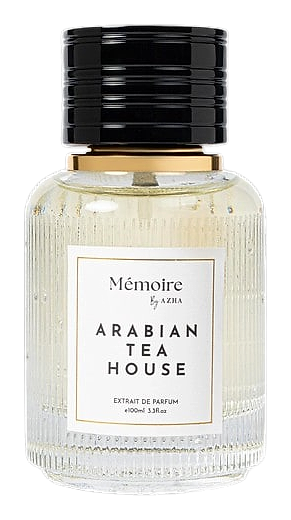
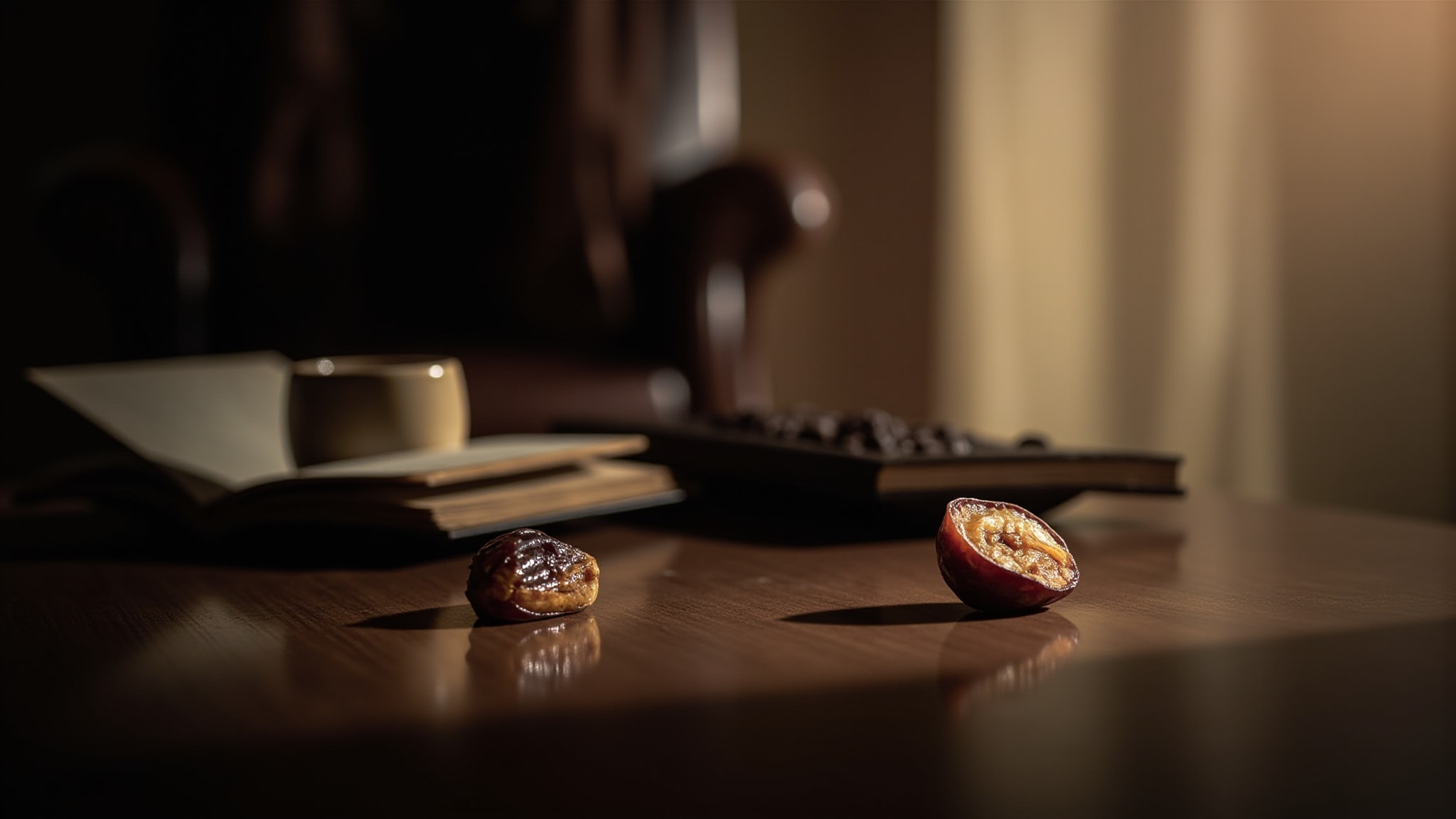
The name says it all. Arabian Tea House is rooted in the idea of that shared, unhurried space, where conversation flows as freely as the coffee, and the ritual matters more than the result. Azha built this fragrance around the sensory vocabulary of traditional Arabian hospitality: sweet dates offered alongside dark brew, cardamom drifting from a clay cup, incense curling somewhere in the background. It's a memory made portable. Azha approaches perfumery as a dialogue between memory and invention, and this is exactly that, a reinterpretation of familiar warmth through a contemporary lens. The brand lets ingredients dictate structure rather than forcing a concept onto them, and here the coffee and dates arrive naturally, without apology. Traditional hospitality filtered through a modern collector's sensibility: that's the energy from the top note down.
What makes Arabian Tea House distinctive is the coffee-and-dates pairing at its heart. Neither ingredient is unusual on its own, but together they create a sweetness that feels inherent rather than constructed, fruity, warm, almost bakery-like without ever crossing into confection. The saffron amplifies this with a dry, almost medicinal warmth that prevents the composition from reading as purely gourmand. The heart is where Azha's restraint becomes clear. Cardamom and jasmine are practically siblings here, so their pairing feels inevitable rather than calculated. Jasmine sits cool and slightly indolic against the richness, a quiet counterpoint.
The evolution
The opening announces itself immediately. Dark, roasted coffee arrives first, and within seconds sticky-sweet dates follow, almost date-syrup in their richness. The saffron threads through as dry, warm spice, stopping the sweetness from tipping into gourmand territory. For the first ten minutes, this is a thick, confident opening that announces itself without apology. The dry woods arrive earlier than expected, pulling the coffee and dates downward before the composition fully opens. Cardamom and jasmine arrive together around the fifteen-minute mark, the cardamom warm and slightly numbing, the jasmine cool and faintly indolic. The rose is present but not dominant, it deepens rather than brightens, settling into the warmth. Vanilla begins its slow emergence from the base. Over the next two to three hours, the heart settles into place. The floral-spice accord holds steady while the dry woods anchor everything. Coffee fades but doesn't vanish, it's there in the background, a ghost of the opening.
Cultural impact
Arabian Tea House has quietly built its following through word of mouth among collectors drawn to warmth without excess. Reviewers describe it as thick and rich, the scent of being served cardamom tea, sweet dates, and dark coffee in a room where incense burns gently in the background. Where some Gulf-inspired fragrances lean into spectacle, this one leans into presence. The saffron and cardamom combination gives it an aromatic complexity that rewards closer attention, and the vanilla drydown has drawn consistent praise from those who appreciate warmth that stays close rather than announcing itself. It occupies a specific register: luxurious without being loud, grounded in tradition without feeling dated.