The Story
Why it exists.
The beginning
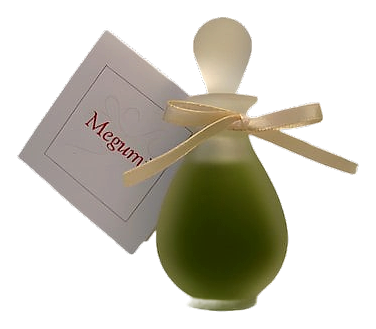
Megumi launched in 2003 from the studio of Ayala Sender, the nose behind Ayala Moriel Parfums. The name itself carries meaning: in Japanese, megumi translates to blessing, grace, a quiet benediction. Sender built the composition around two florals of uncompromising pedigree, jasmine grandiflorum and Turkish rose otto, set against a chypre base that anchors the bouquet in something older than fashion. The result was a scent designed not to impress at a distance but to reward intimacy, to be discovered by someone close enough to matter. Megumi opens with a bright cascade of fruit, apricot flesh warming against the clean spark of mandarin zest, with bergamot threading quietly underneath to keep the sweetness buoyant.
Equal parts jasmine and rose is an unusual structural choice. Most florals crown one as protagonist and let the other support. Here, neither leads. Both arrive together and stay together, which means the composition depends entirely on the quality of its raw materials. Without that quality, a jasmine-rose pairing of equal weight risks collapsing into something soapy, one-dimensional, the kind of accord that smells pleasant at a counter and vanishes on skin. A whisper of pimento in the heart adds a dry, almost peppery tension that keeps the sweetness from collapsing.
The evolution
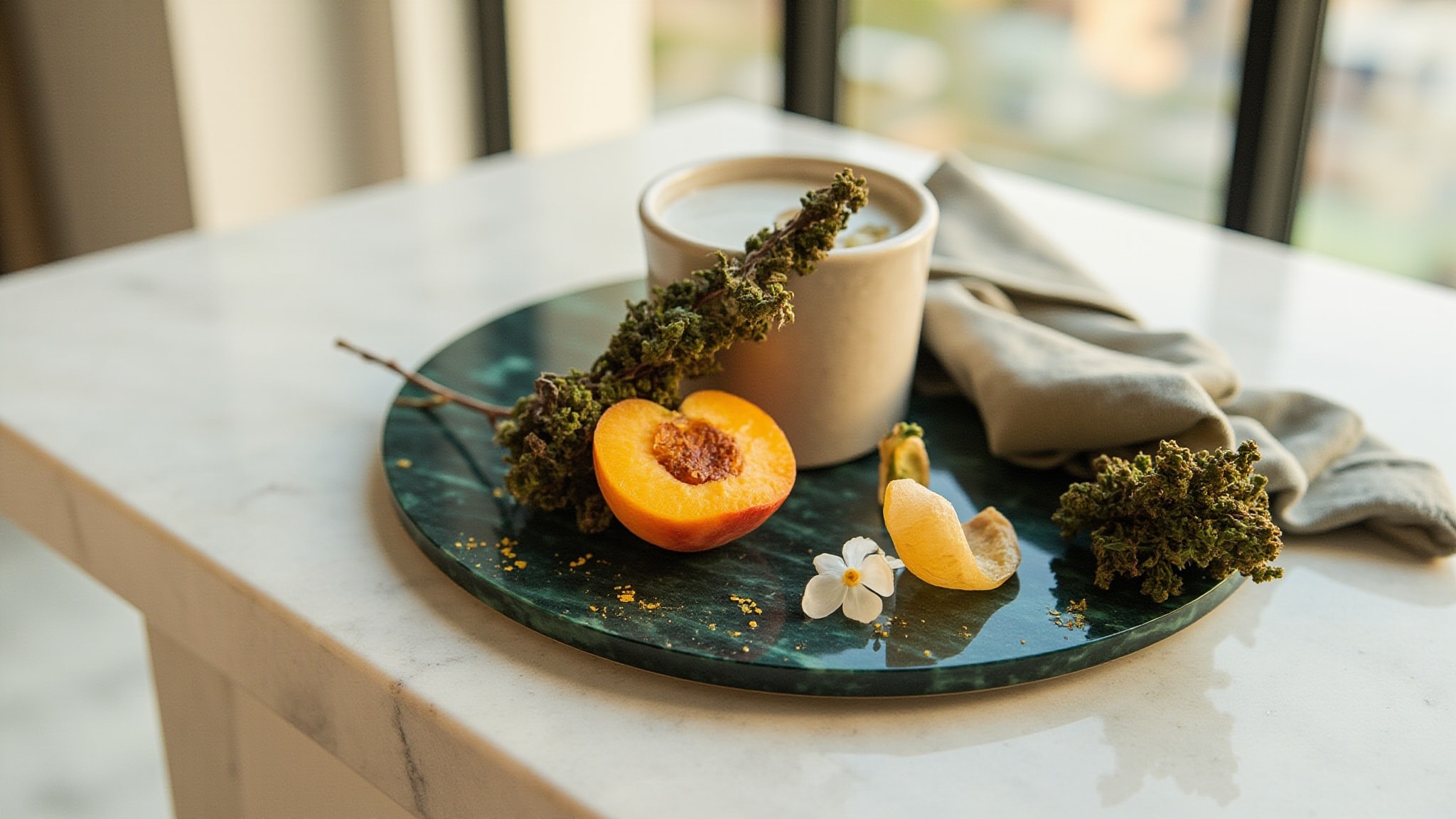
The opening is all fruit: apricot flesh and the bright zest of red mandarin, almost edible, with bergamot threading underneath to keep the sweetness from collapsing into something candied. Then the jasmine enters, indolic and dense, the kind that fills a room if you let it. Turkish rose joins it soon after, and the two florals blur into a single warm impression, creamy and slightly herbal, neither one dominating the other. The pimento surfaces as a subtle warmth at the edges, never sharp, more like the smell of spices left open on a counter than anything declared. As the composition settles deeper into skin, the chypre base takes over: oakmoss dries everything down, the oud adds a leathery shadow, and vetiver pulls the whole composition into something earthy and still. On skin the next morning, what remains is moss and a trace of dried fruit. Close. Personal. Gone only if you wash.
Cultural impact
Megumi sits in an unusual space for a 2003 release: a chypre floral that treats oud as structural element rather than headline. Where many compositions of its era built their identity around a single dominant note, Megumi weaves oud into a quieter, more architectural role, one note among several, supporting rather than starring. The chypre framework itself feels classical, drawing on the traditions of mid-century French perfumery where oakmoss anchored florals with an earthy, almost monastic gravity. What makes Megumi distinctive is the intimacy of its scale. It doesn't project across a room or announce itself from across a table.