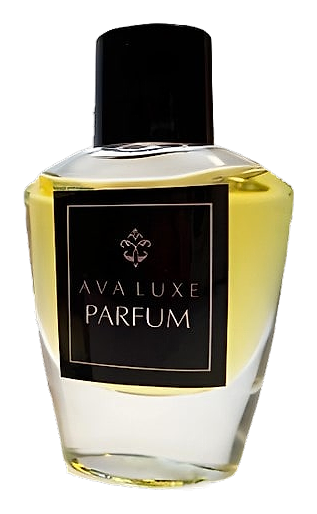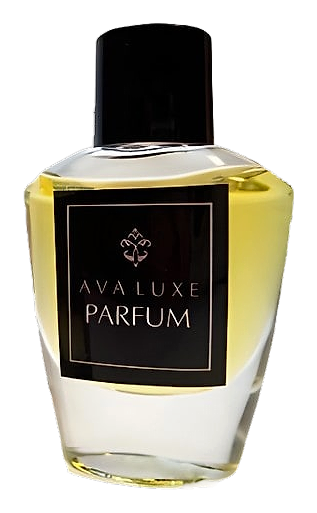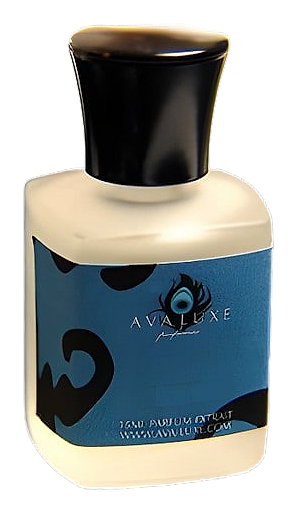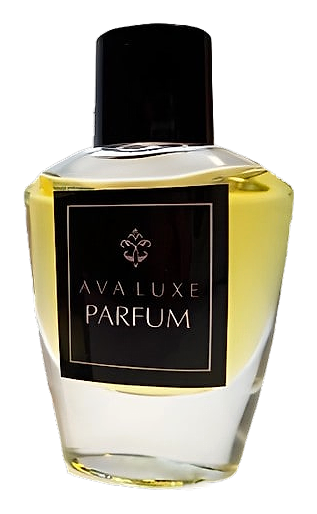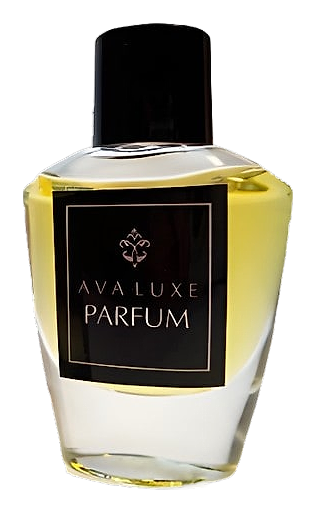

The Story
Why it exists.
The beginning
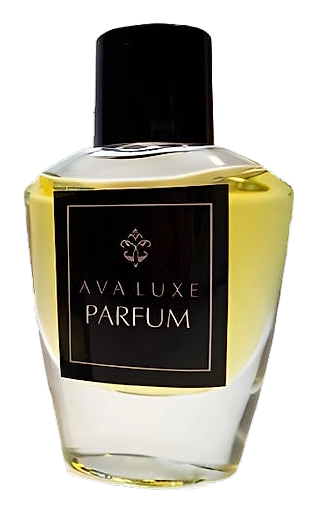
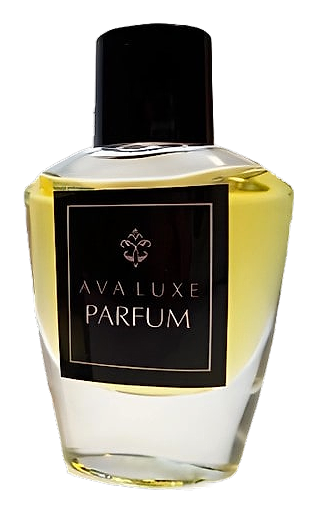
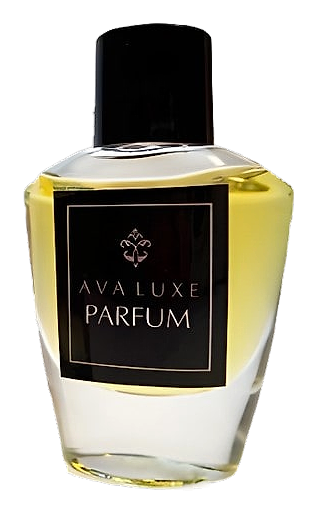
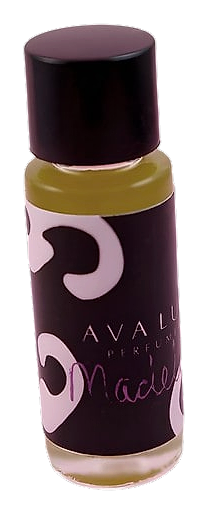
Woodhue launched during the 2000s, the decade that introduced it to Ava Luxe's growing catalog. The brand, led by perfumer Serena Ava Franco, released composition after composition during that period, and Woodhue settled in as one of the house's quieter statements. The aim, it seems, was texture rather than spectacle: a study in what woods smell like when florals are allowed to soften them instead of fighting them. The composition sits firmly in Ava Luxe's comfort zone of skin-close, powdery orientals, but the cedar-and-sandalwood core gives it more backbone than many of the label's more delicate offerings. The opening has a quick, bright flicker from bergamot and geranium before the heart blooms with jasmine, ylang-ylang, orris, and iris, each note offering a different shade of softness.
What's interesting here is the balance between two traditions. The sandalwood, vetiver, and cedar anchor the composition in woody territory, while the jasmine, ylang-ylang, geranium, and orris root push it toward something softer and more powdered. Carnation adds a clove-like warmth that ties the two halves together. The result is a woody floral that feels less like a cologne and more like a wardrobe, with the florals functioning as lining rather than trim. Each note plays a distinct role in how the scent develops on the skin.
The evolution
Bergamot lifts the top with a brief citrus brightness that fades fairly quickly. From there, the fragrance moves into its center, where jasmine and ylang-ylang arrive as a warm, buttery sweetness against the cooler wood backbone. Geranium introduces a tart, slightly green edge that keeps the florals from going syrupy. Orris and iris add a powdery haze that softens everything it touches. As the composition settles, the cedar and sandalwood take over with a smooth, resinous warmth, and vetiver occasionally surfaces with a dry, earthy snap. The carnation's clove-like spice lingers longest, threading through the drydown like a low signal. It stays close to skin for most of its wear, reading as a single coherent idea from heart to base. Sources note that the scent is quite linear from the heart into the drydown, with the structure holding steady rather than shifting dramatically.
Cultural impact
Woodhue fits its house identity almost perfectly, a woody-powdery composition that rewards the wearer who leans in rather than expecting projection. The fragrance speaks to a particular taste: the preference for scent that sits close to the skin, that asks for attention through intimacy rather than volume. In a market crowded with loud, high-performance fragrances, Woodhue offers something different, a composition that feels personal, almost private, as though it were made for the wearer alone.