
The Story
Why it exists.
The beginning
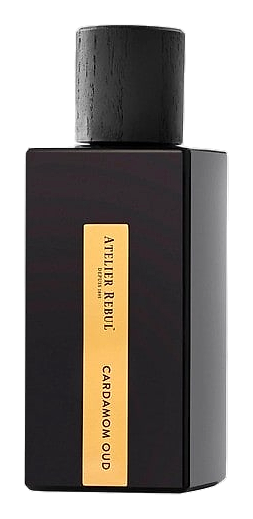
Atelier Rebul was founded in 1895 Istanbul, a city where aromatic woodcraft and incense traditions run deep through centuries of trade and ritual. The perfumer sought to honour that heritage by building a fragrance around treated woods and sacred resins. Cedar, patchouli and frankincense form the base while cypress opens the composition with immediate Mediterranean clarity. The floral heart adds unexpected elegance, bridging Ottoman woodcraft with French perfumery technique.
The note philosophy reflects the brand's Ottoman heritage. Cypress represents Mediterranean forests while the floral heart (carnation, jasmine, lily, rose) brings unexpected refinement. Vetiver bridges the opening to the drydown with earthy sophistication. Cedarwood, frankincense, immortelle, patchouli and teakwood form a base that honors centuries of woodcraft and incense traditions. The result is a fragrance that is simultaneously ancient and refined.
The evolution
The opening hits with cypress, immediate and sharp, like walking into a forest after rain. Within minutes, the heart begins to bloom. Carnation introduces itself with warm, peppery spice, immediately joined by jasmine's sweet floral depth. Lily adds clarity while rose provides classic elegance, and vetiver grounds everything with its earthy, root-like quality. This floral-vetiver combination is unusual and sophisticated. As the heart fades over hours, the drydown settles in with remarkable depth. Cedarwood and teakwood create a rich wood structure while frankincense adds sacred, smoky resonance. Immortelle brings longevity and a honeyed quality while patchouli grounds the entire composition in earthy, aromatic tradition.
Cultural impact
Incense Vetiver reflects Atelier Rebul’s dedication to reviving Ottoman perfume traditions while embracing contemporary sensibilities. Launched in 2024, it draws on historic incense rituals used in Turkish courts, merging them with modern woody‑spicy accords that resonate with today’s global audience. The scent has been highlighted in several cultural exhibitions, illustrating how heritage can be reinterpreted for modern consumers, and it encourages a renewed interest in regional aromatic practices, fostering dialogue between past and present perfume artisans.