The Story
Why it exists.
The beginning
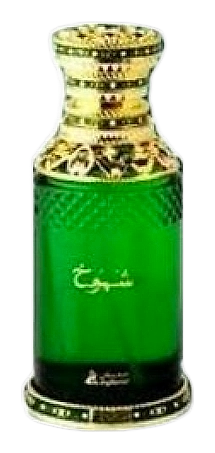
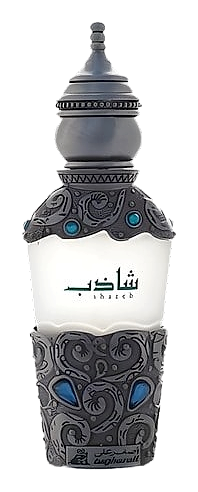
The name Shazeb carries weight in Arabian perfumery, bold, almost regal in its implication. As a fragrance, it lives up to that. The brief was simple: citrus that didn't behave like citrus, woods that didn't announce themselves. The result is a composition that opens sharp and ends somewhere intimate, the kind of fragrance that finds its own ground rather than asking permission to exist. For Asgharali, this was about showing range, proving that a century of tradition could produce something that still surprises the nose that encounters it.
The real move here is the powdery turn. Most woody-citrus fragrances stay in the same register from start to finish, bright, then warmer, then done. Shazeb pivots. The nagarmotha and patchouli in the heart shift the composition from aromatic to earthy, and the amber-musks in the base round everything into something that reads as warmth without sweetness. It's a dry powder, not a gourmand one. That's the distinction that separates it from the pack.
The evolution
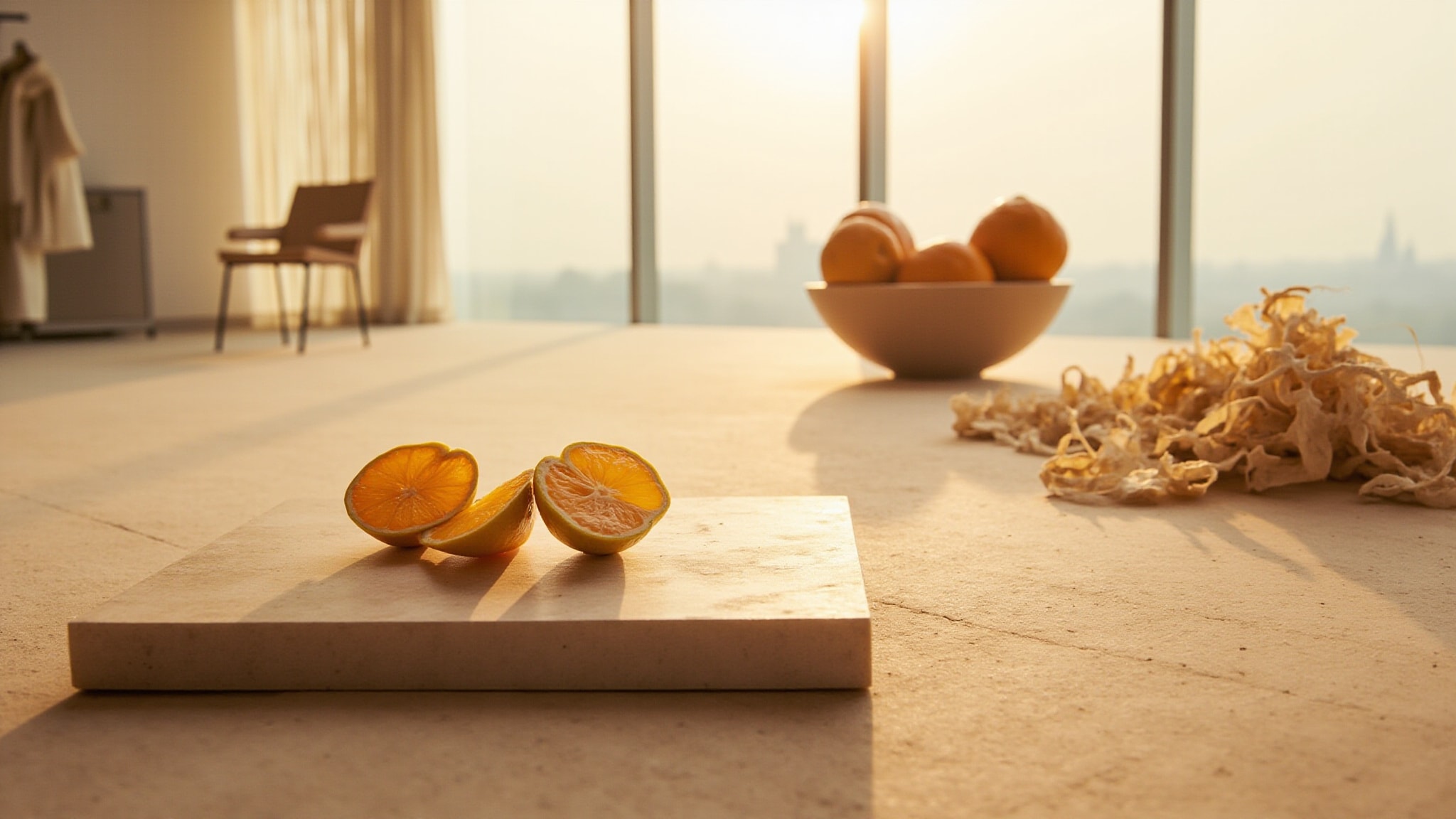
The bergamot-lime-tangerine opening hits within seconds. Bright, almost sharp, green without the leaf, citrus without the juice. It reads as zesty and immediate. Within 20 minutes the citrus begins to recede and the heart takes over: sandalwood and patchouli arrive together, not competing but layering. The amber adds body without sweetness, and the nagarmotha gives it that earthy, slightly medicinal depth that keeps things interesting. This heart phase lasts the longest, three to four hours on most skin types. The drydown arrives quietly. Woody notes and musk settle close to the skin, and the fragrance becomes intimate rather than announced. The powdery quality that emerged in the heart intensifies slightly, then holds. On fabric, it can linger into the next day, a faint warmth that sneaks up on you in the morning.
Cultural impact
Shazeb occupies a specific niche: the woody-chypre lover who wants citrus without the sugar. Wearers describe it as assertive on first encounter and quietly memorable in the drydown, the kind of fragrance that doesn't fill a room but stays with the people who were in it. Compared by the community to Gucci Rush and Gentle Fluidity, it runs earthier and longer than both. The GCC market response has been strong, where the drydown's powdery warmth aligns with regional preferences. Internationally, it appeals to collectors who understand what Arabian perfumery brings to the woody-chypre structure, depth and persistence that western formulations often sacrifice for brightness.