The Story
Why it exists.
The beginning
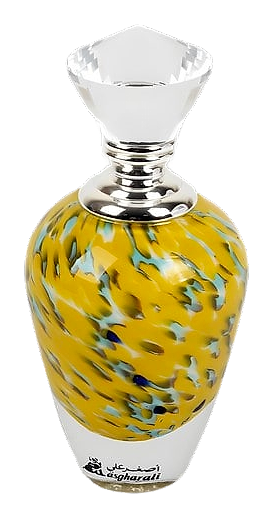
Rahma means mercy, or compassion, in Arabic, a name that carries quiet weight and intention. Asgharali released it as part of their attar line, where floral compositions are treated less as decoration and more as character studies with their own internal logic. The fruity-rose pairing feels deliberate, a way of rounding out the rose so it reads generous and approachable rather than austere. There's a warmth here that suggests generosity without tipping into anything overtly sweet. The amber base anchors the composition, pulling the fruit and the florals into something that feels composed and complete. This is perfume as offering, not provocation.
The composition rests on a tight pyramid: fruit, rose, amber. That simplicity is the point. Asgharali's attars historically relied on direct material statements, one or two heroes, supported by a base that lets them breathe. Here, the fruit brightens what could have been a heavy oriental floral, and the amber does the structural work that oriental notes typically handle. No excess, no filler. The restraint makes each element land harder.
The evolution
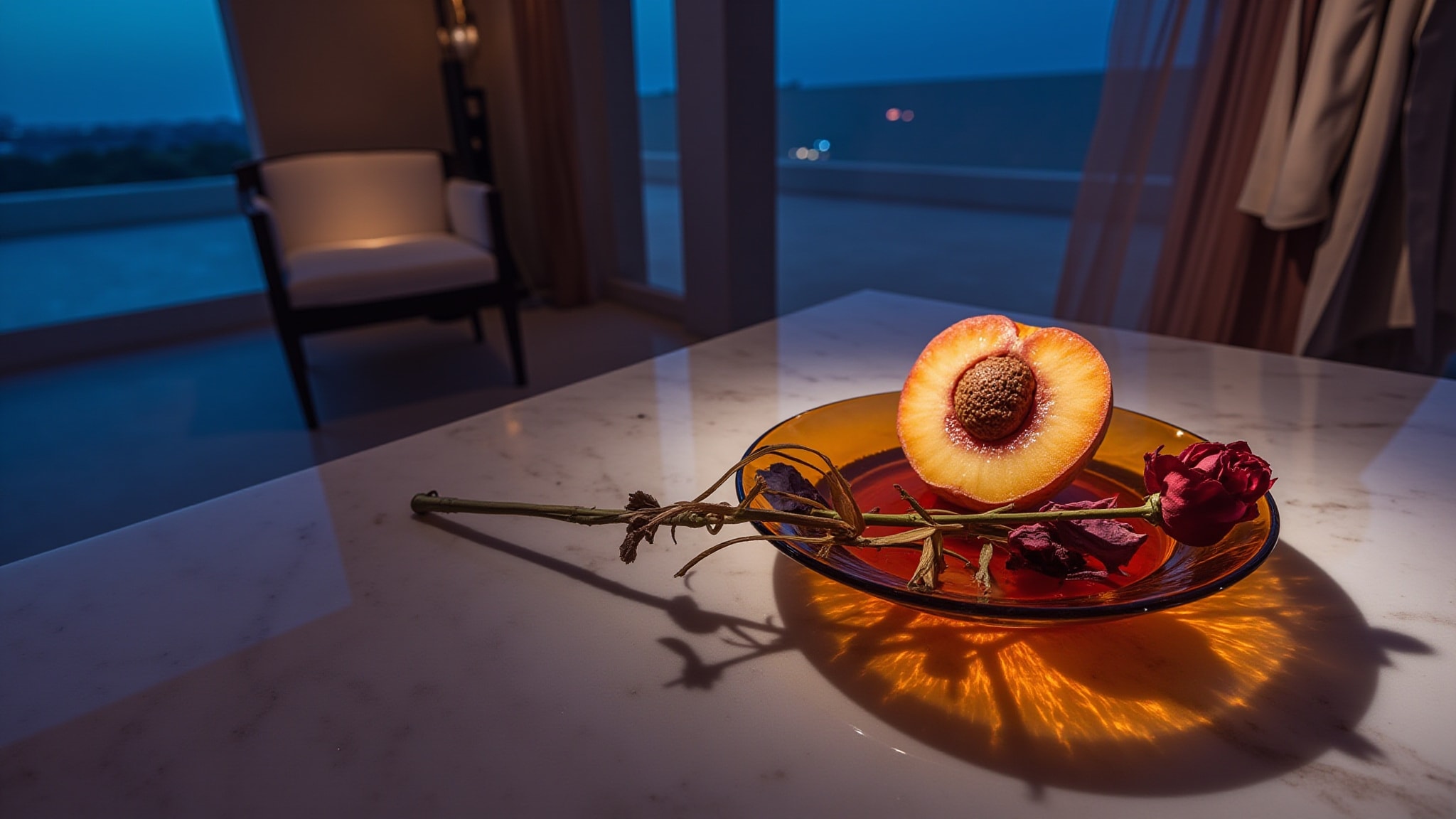
The fruit arrives first, bright and slightly sharp, the way a ripe peach smells before you bite in. Within the opening minutes the rose steps forward, not the clean dewy kind, but a warmer, jammier rose with substance behind it. The amber begins to surface as the composition settles, pulling everything downward into something denser and spicier, less sweet than the opening promised. What lingers, hours later, is the amber-oriental base, warm and slightly resinous, with the rose reduced to a memory just beneath the skin. It doesn't vanish; it just moves closer. The drydown keeps that amber warmth close to the body, a quiet trail that rewards leaning in rather than projecting across a room.
Cultural impact
Rahma sits within Asgharali's attar catalogue, a rose-forward composition that draws on the conventions of traditional Arabian perfumery while keeping its footprint lighter and more floral. It reads as an accessible take on Middle Eastern rose work, the kind of composition that translates easily across seasons and occasions without requiring a specific wardrobe or setting to make sense. The fruity opening softens what could otherwise feel like a more serious rose, and the amber base lends just enough gravity to keep the whole thing from drifting into something too simple.