The Story
Why it exists.
The beginning
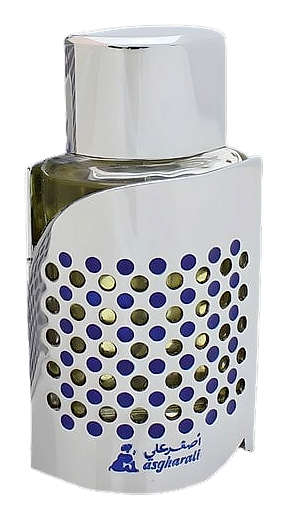
Hams sits inside the Asgharali Group's catalogue, a name that has been quietly bottling in the Gulf for as long as anyone can reliably trace, with no founding date or formal establishment year documented in any available source. The release year for Hams itself is listed as unknown, so pinning it to a particular era of the house's output isn't possible. What can be said is that it reads as a bottled composition, a contained, wearable structure that translates the kind of layered, resinous thinking the house is known for into something a modern wearer can apply without ceremony. There's a sense of restraint in how it's built, nothing forced, nothing shouting for attention.
What makes Hams interesting is the marine note sitting in the middle of an otherwise warm composition. Sea notes push their way into the heart between spice and vanilla, which produces a saline tension that gives the fragrance its distinctive character. The interplay feels intentional, almost architectural, with each element given room to breathe rather than being crowded by the others. The spice layer has a quiet heat to it, the kind that warms the skin from underneath rather than tingling on the surface.
The evolution
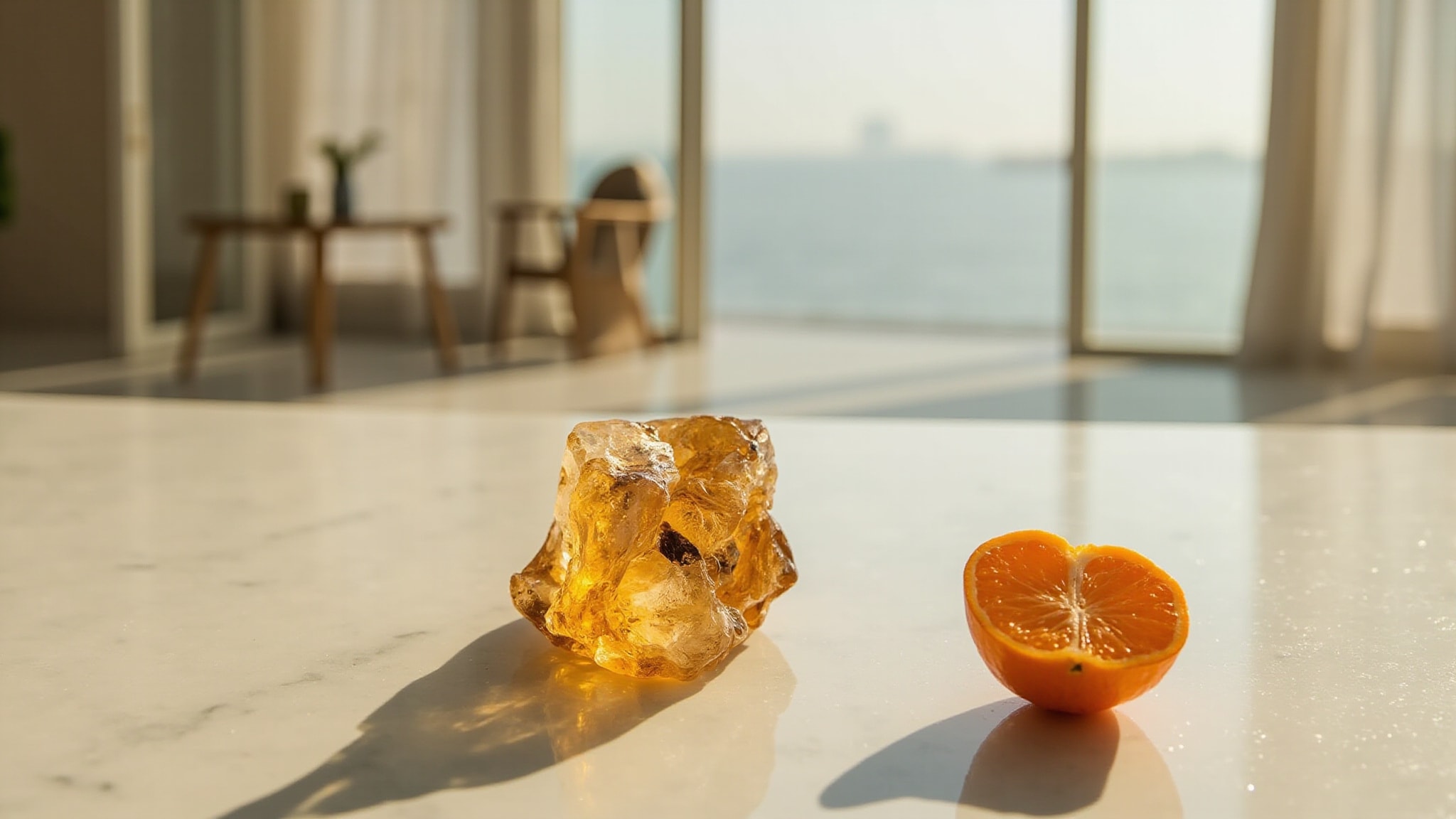
The first ten minutes are brisk. Bergamot lands first, bright and almost Mediterranean, then a layer of generic spice warms the citrus without weighing it down. The opening is the shortest chapter, gone before you've finished your first coffee. Then the marine note arrives, which surprises. It doesn't smell like a commercial aquatic, no watermelon-cucumber ozonic effect. It reads more like humid air over warm stone, saline but soft. Vanilla begins wrapping around it almost immediately, and the two notes coexist in a long, slow embrace, sweet and salty at once. The spice never fully leaves either; it just recedes, humming underneath the marine and the vanilla like a low flame. The woody base keeps both sides tethered, grounding the saline lift and the creamy sweetness in something that feels rooted rather than floating.
Cultural impact
Hams occupies an unusual corner of the Asgharali catalogue, and that's what makes it worth paying attention to. The marine note in its heart does something most releases in this space don't attempt, placing a saline, almost coastal material at the center of a composition that otherwise leans warm and golden. That structural choice gives it a different gravity than you'd expect, pulling it away from the heavier, resinous territory and into something that feels lighter on the skin without losing depth.