The Story
Why it exists.
The beginning
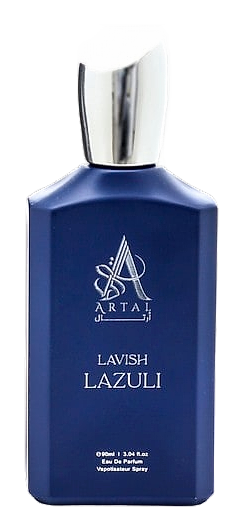
Shadi Samra created Lavish Lazuli for Artal Perfumes with a deliberately narrow material vocabulary: saffron and cypriol oil or nagarmotha above, incense at the heart, and amber, Cambodian oud, and musk forming the base. The composition feels less like a gemstone than a richly cut stone at dusk, mineral, warm, and quietly reflective. Saffron brings a metallic spice to the opening, where cypriol oil or nagarmotha adds a darker, earthy quality. Incense carries that contrast into resinous smoke, while the base notes give the fragrance depth and a soft amber warmth.
What makes Lavish Lazuli distinctive is the friction between its opening notes. Saffron contributes metallic spice and dry heat, while cypriol oil or nagarmotha brings a darker, earthy mineral character. Incense turns that contrast toward smoke and resin. As the materials settle together, the sharpness of the spice becomes rounder and more tactile, with the earthy notes lending body to the opening. Amber, Cambodian oud, and musk complete the composition, adding sweetness, woody depth, and a soft musky texture that draws the disparate elements into a coherent, layered impression.
The evolution
The first impression is quick and vivid: saffron flashes with metallic heat as cypriol oil or nagarmotha introduces a dry, earthy shadow. The opening feels almost mineral, but it never stays brittle. Incense takes over at the heart, spreading resinous smoke through the spice and softening its sharpness without muting it. During the drydown, the composition becomes warmer and more bodily. Amber rounds the edges, Cambodian oud lends depth, and musk leaves a soft, close trail. The scent gradually settles from a bright metallic spice into a darker, resinous center, then settles closer to the skin with subtle sweetness, wood, and musk. Its changing surface invites attention as each stage reveals a different balance of heat, earth, smoke, and softness.
Cultural impact
Lavish Lazuli draws on the expressive character of saffron, incense, oud, amber, and musk, bringing them together in a composition built around contrast. Metallic spice meets dry earth at the opening, resinous incense deepens the heart, and warm woods and musk soften the later impression. This measured layering makes the fragrance a rewarding discovery for those drawn to aromatic depth, distinctive materials, and compositions that reveal themselves gradually rather than relying on a single dominant gesture.
The House
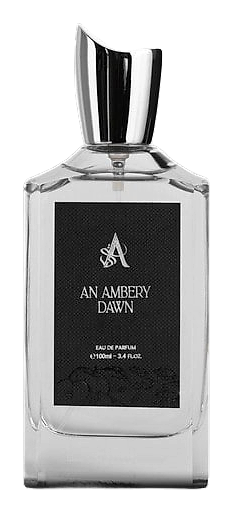
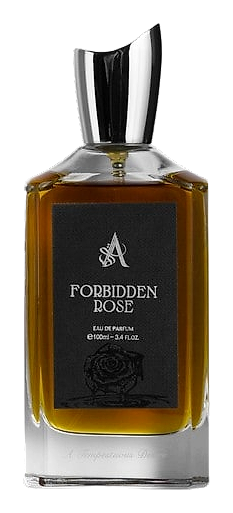
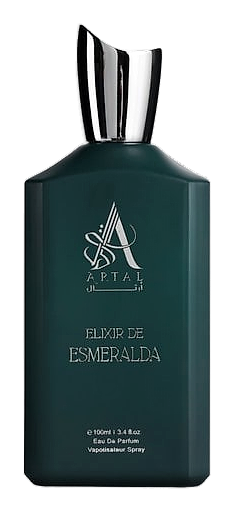
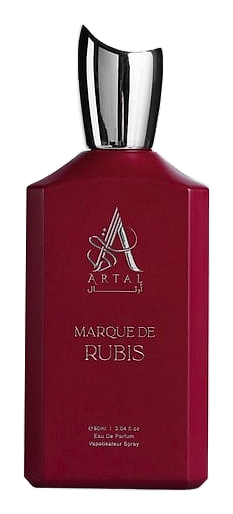
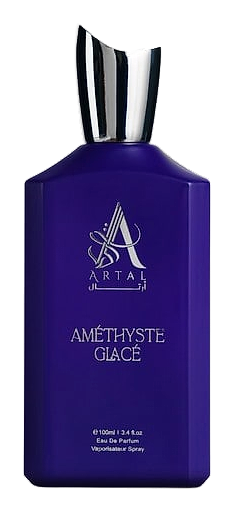
Artal PerfumesArtal Perfumes is an independent fragrance house from Oman, founded by three young entrepreneurs and launched commercially in February 2021. The brand builds compositions around the rich raw materials the Arabian Peninsula is known for, particularly oud and frankincense, while working with perfumer Shadi Samra. Its catalogue of seven releases to date includes Marque de Rubis (2021), Elixir de Esmeralda (2021), Lavish Lazuli (2021), Amethyste Glace (2022), An Ambery Dawn (2022), Forbidden Rose (2023), and The Oud Route (2024). Artal sits within a growing wave of Gulf-based niche labels translating regional olfactory heritage into contemporary bottles.
The Creator
Shadi SamraShadi favors a modular approach, building fragrances layer by layer. He starts with a robust base—often oud, sandalwood, or amber—then adds a heart of florals or spices that echo the brief’s narrative.