
The Story
Why it exists.
The beginning
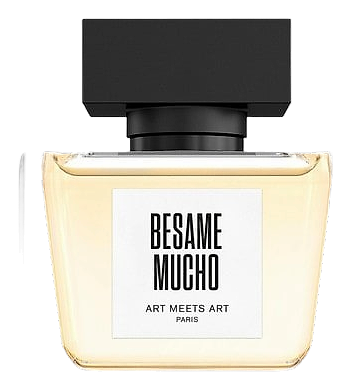
Christophe Raynaud built Besame Mucho around a single provocative image, Sara Montiel's screen interpretation of the 1940 bolero. The song is a demand: kiss me, hold me close, never let go. Raynaud translated that heat into something you can wear. The brief was clear from the start: take the romance seriously, even when it gets complicated.
What makes this composition unusual is the pairing of black leather with orris root, two materials that rarely share space. Leather wants to dominate; orris wants to retreat into powder. Here, they negotiate. The ambrette in the heart adds a subtle musky sweetness that keeps the leather from becoming aggressive, while the white sandalwood in the base ensures the drydown stays warm rather than austere. The blood mandarin opening provides the only bright moment before the composition commits to its darker trajectory.
The evolution
The opening hits quick, blood mandarin and pink pepper, a brief citrus bite that disappears before you've registered it. Then the incense arrives, smoky and resinous, almost medicinal. It hangs in the air for the first hour. The orris begins to emerge around the 30-minute mark, pushing through the smoke like something that refused to wait its turn. By the second hour, the black leather is undeniable, not animalic, but present, warm from skin contact. The sandalwood settles underneath, soft and creamy, preventing the whole thing from becoming too severe. By hour four, you're left with leather, a ghost of iris, and white sandalwood close to the skin. The next morning, your collar carries a faint warmth, cedar and something sweeter underneath, the blackcurrant asserting itself in retrospect.
Cultural impact
Besame Mucho takes its name from the bolero anthem popularized by Sara Montiel, directly invoking mid-century Latin music and cinematic glamour. The fragrance emerged within the niche perfume movement, which has grown substantially since the early 2000s as collectors seek alternatives to mass-market fragrances. Art Meets Art operates as an independent house, producing limited work that appeals to those who value artistic direction over commercial appeal. The reference to Sara Montiel and her screen interpretation of the bolero places the fragrance within a tradition of honoring musical and cultural history. This kind of naming and conceptual grounding resonates with fragrance enthusiasts who see perfume as storytelling, not just scent.