The Story
Why it exists.
The beginning
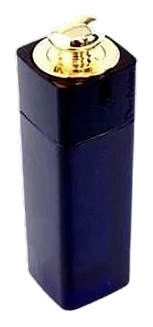
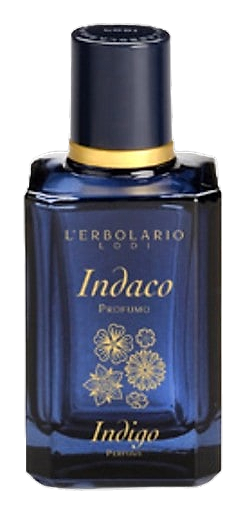
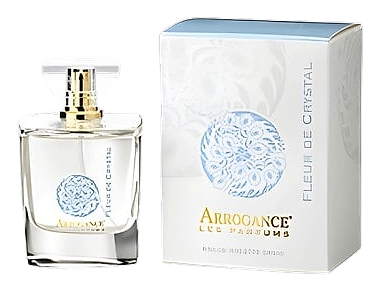
Arrogance launched Les Perfumes in 2010, a collection of three fragrances presented at the TFWA Cannes conference, Absolute de Mate, Heliotrophine, and Fleur de Crystal. Each bottle wore a different color: purple, black, blue. Fleur de Crystal was the aldehydic statement in the lineup, a study in crystalline brightness meeting powdery warmth. The name alone suggested the concept: florals frozen into something harder-edged, then softened back into skin. The perfumer was working within a classic French tradition, aldehydes, iris, the great powder accord, but executing it with Italian directness. No ambiguity. No apology for wanting to be beautiful.
The aldehydic structure here is the real move. Aldehydes don't occur in nature, they're synthesized fatty acids that behave unpredictably, adding lift, sparkle, sometimes a soapy edge that veers into furniture polish if mishandled. Fleur de Crystal threads the needle: enough aldehyde to catch the light at the opening, not so much that it overwhelms the florals underneath. Iris carries the powder. Ylang-ylang adds body without sweetness tipping into cloying. Musk bridges everything, a connective tissue between the cool top and the warm base. The tonka and cedar in the drydown are the quiet anchors. They don't announce. They endure.
The evolution
The opening is a moment. Aldehydes hit first, metallic, sparkling, like opening a window in a cold room. Then the florals arrive: jasmine and iris, powdery and clean, nothing sharp or green about them. The aldehydes don't disappear so much as dissolve into the composition. By the heart phase, lily of the valley is doing the heavy lifting, cool, crisp, slightly sweet, while musk and ylang-ylang build warmth underneath the surface. This is where the fragrance earns its name. The drydown is cedar and tonka, but mostly it's skin: a quiet, powdery warmth that stays close for four to six hours depending on the wearer. On fabric, it lasts longer. The next morning, there's a faint sweetness left on the collar, aldehydes gone, tonka still working.
Cultural impact
Fleur de Crystal occupies a specific corner of the aldehydic-floral category, powdery without nostalgia, classic without being dusty. The aldehydic structure dates it to an older perfumery tradition, but the tonka-warm drydown keeps it feeling contemporary. Its 2010 release came at a moment when the market was drifting toward ultra-transparent aquatic and transparent compositions, and placing a bold, powdery aldehydic fragrance against that current was a deliberate statement. Those who seek it tend to be looking for exactly what mainstream releases do not offer: aldehydic lift, powdery warmth, and a drydown that stays close rather than projecting loudly.