


Heritage
A house, in its own words
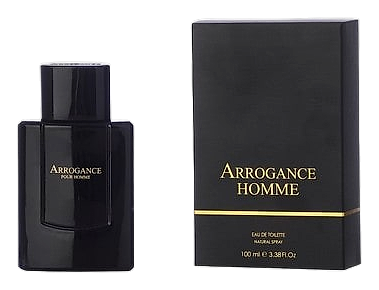
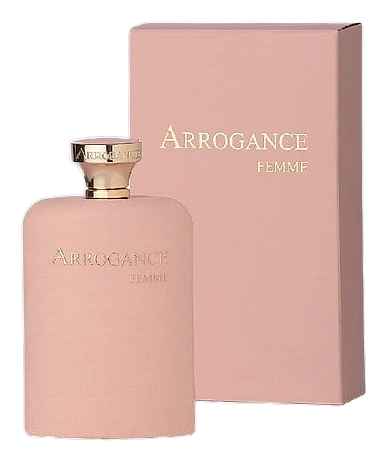
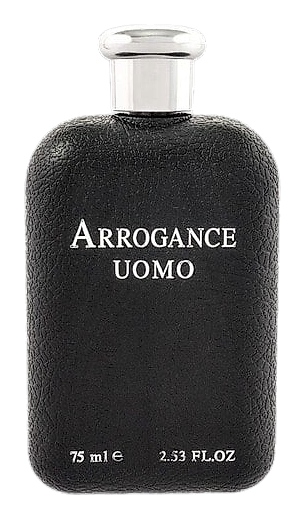
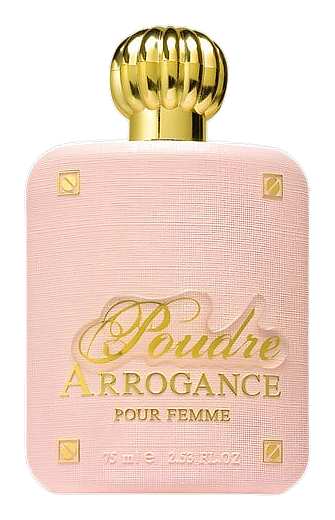
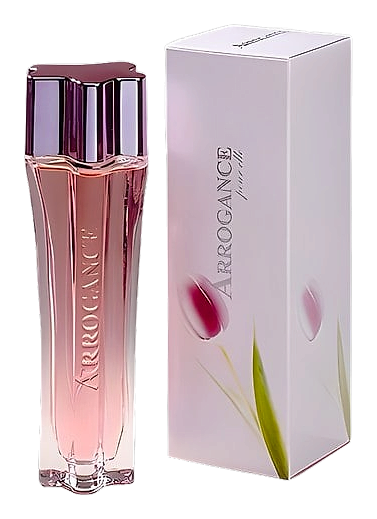
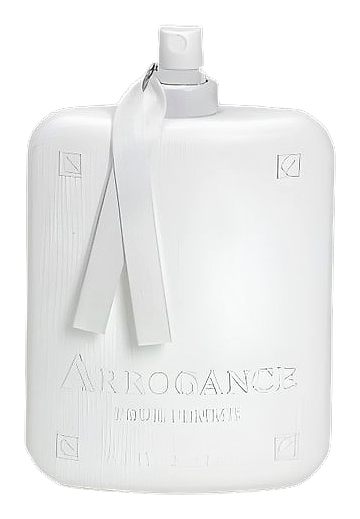
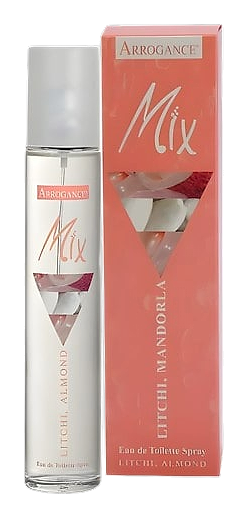
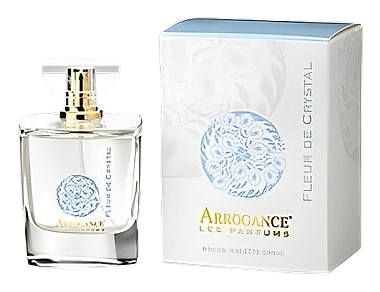
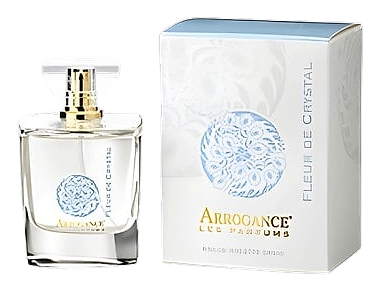
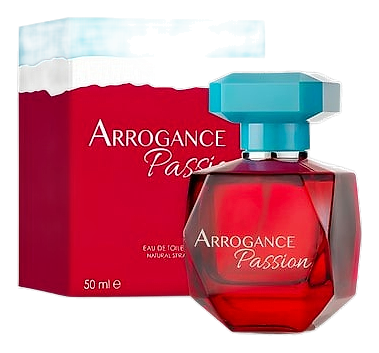
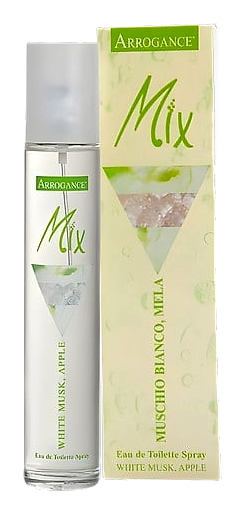
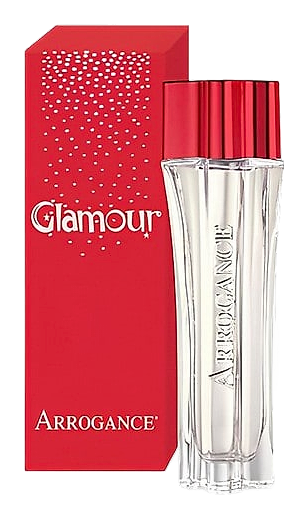
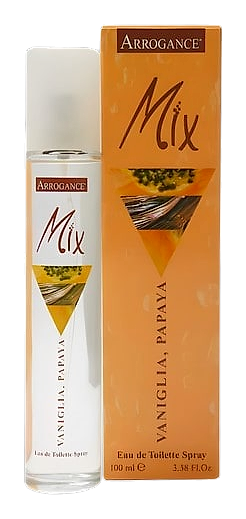
Arrogance emerged from the Italian fragrance industry during a period when Italian perfumers were establishing themselves as serious contenders in the European fragrance market. The brand's foundational release, Arrogance Pour Homme, arrived in 1982 and immediately distinguished itself through its uncompromising approach to masculine scent composition. Reviewers have characterized this debut as a powerhouse, noting its intensity set it apart from more refined contemporaries of the era. The following years saw continued expansion with Arrogance Uomo in 1987, deepening the masculine portfolio. The early 2000s brought gender-inclusive offerings including Arrogance pour Elle in 2002 and Glamour in 2004. A notable creative shift occurred in 2005 when Arrogance launched a series of Mix fragrances, including Lime with Zucchero, Muschio Blanco with Mela, and Melograno with Vite, suggesting collaborations or named ingredient pairings. The house continued releasing flankers and new compositions into the 2010s and 2020s, with Mineral Black in 2020 and Rose Fleur in 2022 representing contemporary directions while maintaining the brand's established character. The Italian origin has consistently informed the brand's approach, with the historical connection to Italian raw material trading and Mediterranean fragrance traditions providing an implicit foundation for their compositions. Arrogance operates from a philosophy centered on olfactory confidence and lasting presence. The brand name itself signals an intentional positioning, suggesting fragrances designed for wearers who prefer their scent to announce rather than whisper. This approach manifests in formulations characterized by strong projection and extended longevity, qualities that define the house aesthetic. Rather than pursuing trend-driven minimalism, Arrogance has maintained its commitment to full-bodied fragrance construction across decades of shifting market preferences. The brand appears to value authenticity over fashion, continuing to produce assertive compositions when the broader industry moved toward lighter, more translucent offerings. This consistency suggests a belief that certain wearers seek genuine presence in their fragrance choices, and that such preferences deserve faithful rather than compromised expression. The house philosophy implicitly rejects the notion that modern perfumery must always trend toward discretion, maintaining space for those who appreciate being noticed.