The Story
Why it exists.
The beginning
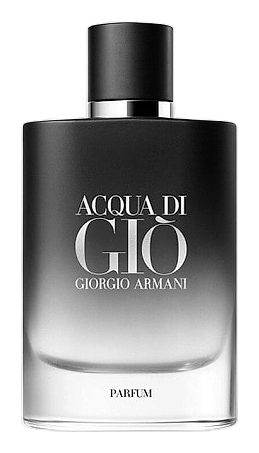
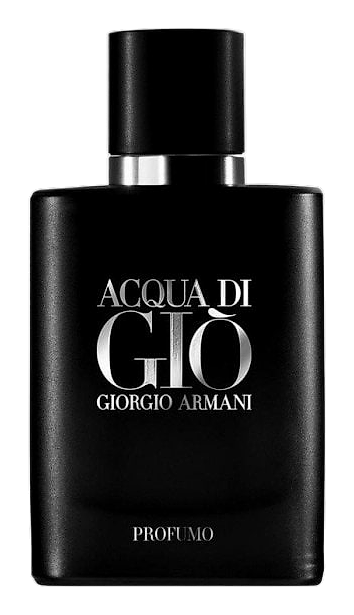
Acqua di Giò Profumo is a flanker to the original Acqua di Giò, composed by Alberto Morillas. The original captured a bright, sunlit vision of the Mediterranean, and Profumo extends that vision into a more shadowed register. Morillas, the perfumer behind a wide body of work across the industry, composed it as an aquatic-woody fragrance that pulls the water deeper and adds smoke to the horizon, reshaping the template rather than repeating it.
Profumo refuses to vanish on the skin. The marine accord stays present without washing out the aromatics, anchored against frankincense and a sharp rosemary-sage geranium heart. Patchouli grounds the base, and the incense reads as atmosphere rather than church. The trick is balance: every element holds its weight without crowding the others, and the whole composition wears like something composed for the evening rather than the afternoon.
The evolution
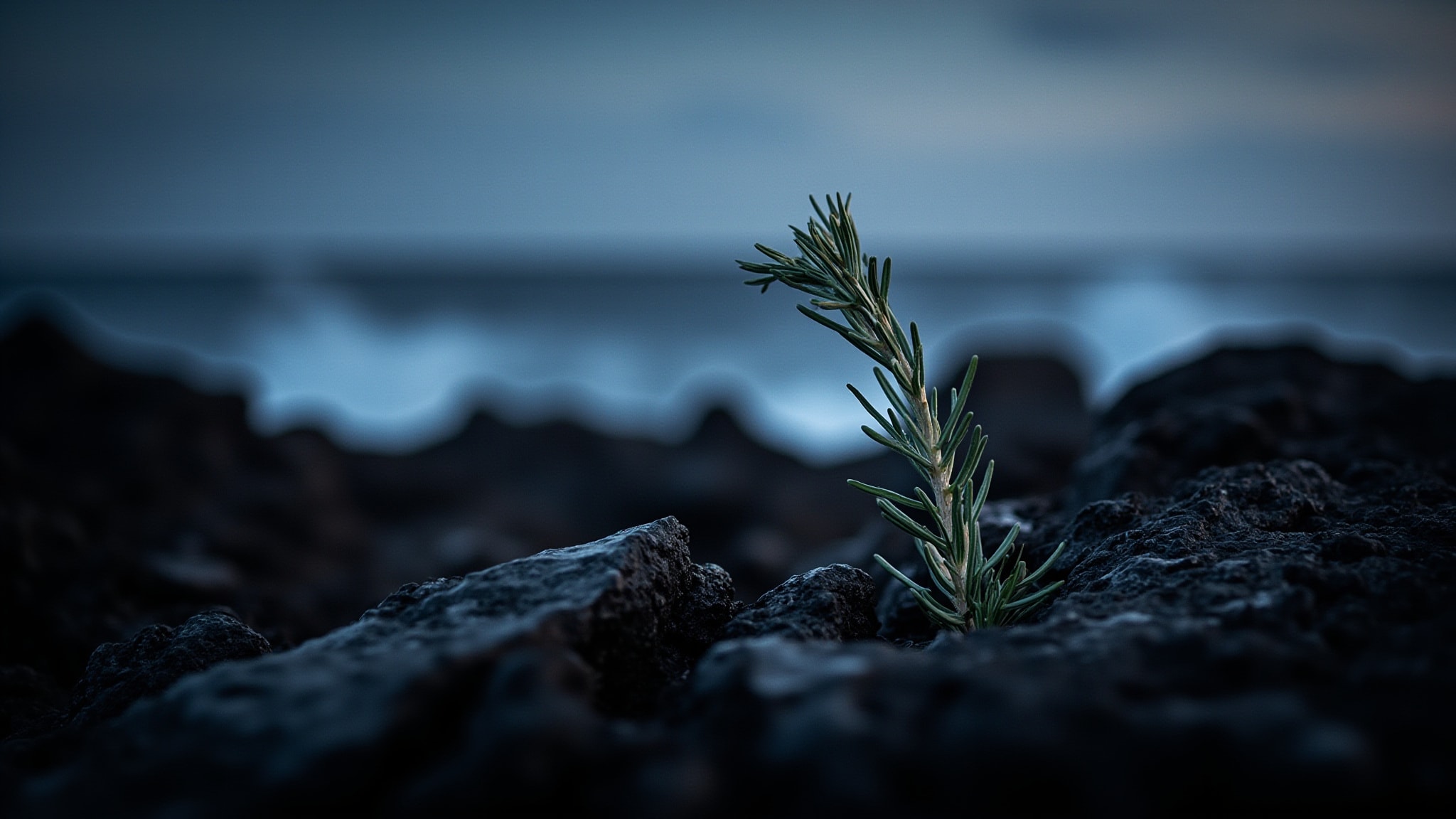
First 15 minutes: the aquatic notes and bergamot hit like cold spray, all salt and mineral brightness. The rosemary surfaces early, almost immediately, cutting through the water with green sharpness. The sage arrives quietly beside it, adding a dry herbal quality that makes the opening feel like coastal scrubland rather than a beach resort. The bergamot does its work and leaves without lingering, which is exactly what allows the cooler notes to settle into something more structured. By the 30-minute mark the composition shifts. The geranium opens up with its rose-mint tension, and the frankincense begins pulling the whole thing downward into warmer, resinous territory. The water doesn't disappear, but it moves from the surface to somewhere underneath, more like humidity than spray. The rosemary stays sharp through this transition, refusing to be absorbed into the base.
Cultural impact
Profumo arrived as a flanker to the original Acqua di Giò, and it offered something the original didn't: smoke and herbal structure layered against the marine accord. Where the original read as bright and open, this one insists on depth. The fragrance wears well in transitional weather and coastal settings, holding its composure without losing its edge. It sits confidently next to its own predecessor, the original Acqua di Giò, as a darker, more grounded companion that doesn't try to outshine it. Both share a family resemblance, but Profumo charts its own course.