
The Story
Why it exists.
The beginning
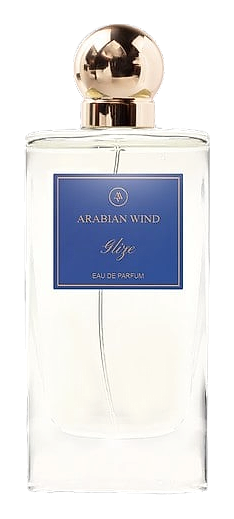
Glize arrives in 2022 as Arabian Wind's study in contrast, mineral weight against floral softness, warm spice against cool violet. The name itself suggests something settled, a point reached rather than chased. This is the fragrance house working in its own register: bold narrative titles, unexpected material combinations, scents that carry their own logic once you wear them. Glize fits that pattern. It's not trying to explain itself.
What makes Glize unusual is the combination of akigalawood with osmanthus in the heart, a synthetic woody material meeting a delicate apricot-sweet floral, grounded by mineral notes that keep the sweetness from floating away. Most fragrances that lean floral-woody either go powdery or go austere. Glize splits the difference. The leather in the base isn't animalic or confrontational, it's more like the memory of leather, warm and familiar. Vetiver finishes it with a clean earthiness that pulls everything toward skin rather than air.
The evolution
The opening hits quickly, saffron brings a dry, slightly medicinal spice that cuts before it warms. Mandarin orange softens the entry but doesn't sweeten it. Within fifteen minutes the mineral notes arrive, and this is where Glize changes registers entirely. It goes cool and almost metallic, like the smell of a stone floor in morning light. The violet and osmanthus bloom in the heart without overpowering the mineral base, osmanthus adds a fleeting apricot sweetness, violet adds powder without going old-fashioned. The drydown is where the leather asserts itself. Not the sharp leather of an new bag, the warm leather of a worn jacket, blended with vetiver that stays green and clean. The base holds for four to six hours, close to the skin, present without projecting. The next morning there's a faint woody-vetiver trace on clean skin, clean, not intrusive.
Cultural impact
Arabian Wind entered the fragrance scene in 2022 as a French independent house, positioning itself within a growing wave of niche perfumery that draws from Middle Eastern olfactory traditions while applying French craftsmanship. Glize specifically reflects this hybridity, using saffron, a note steeped in Arabian heritage, alongside the more Western citrus tradition of mandarin. The house's decision not to name perfumers aligns with a broader indie movement that emphasizes brand identity over individual authorship. In the years since launch, the mineral-woody direction has resonated with wearers seeking fragrances that occupy the space between cool and warm, a register that reflects contemporary preferences for complexity over single-note simplicity.