The Story
Why it exists.
The beginning
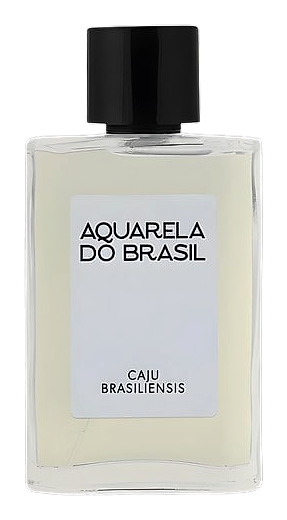
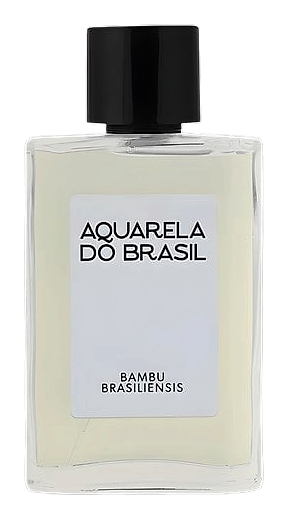
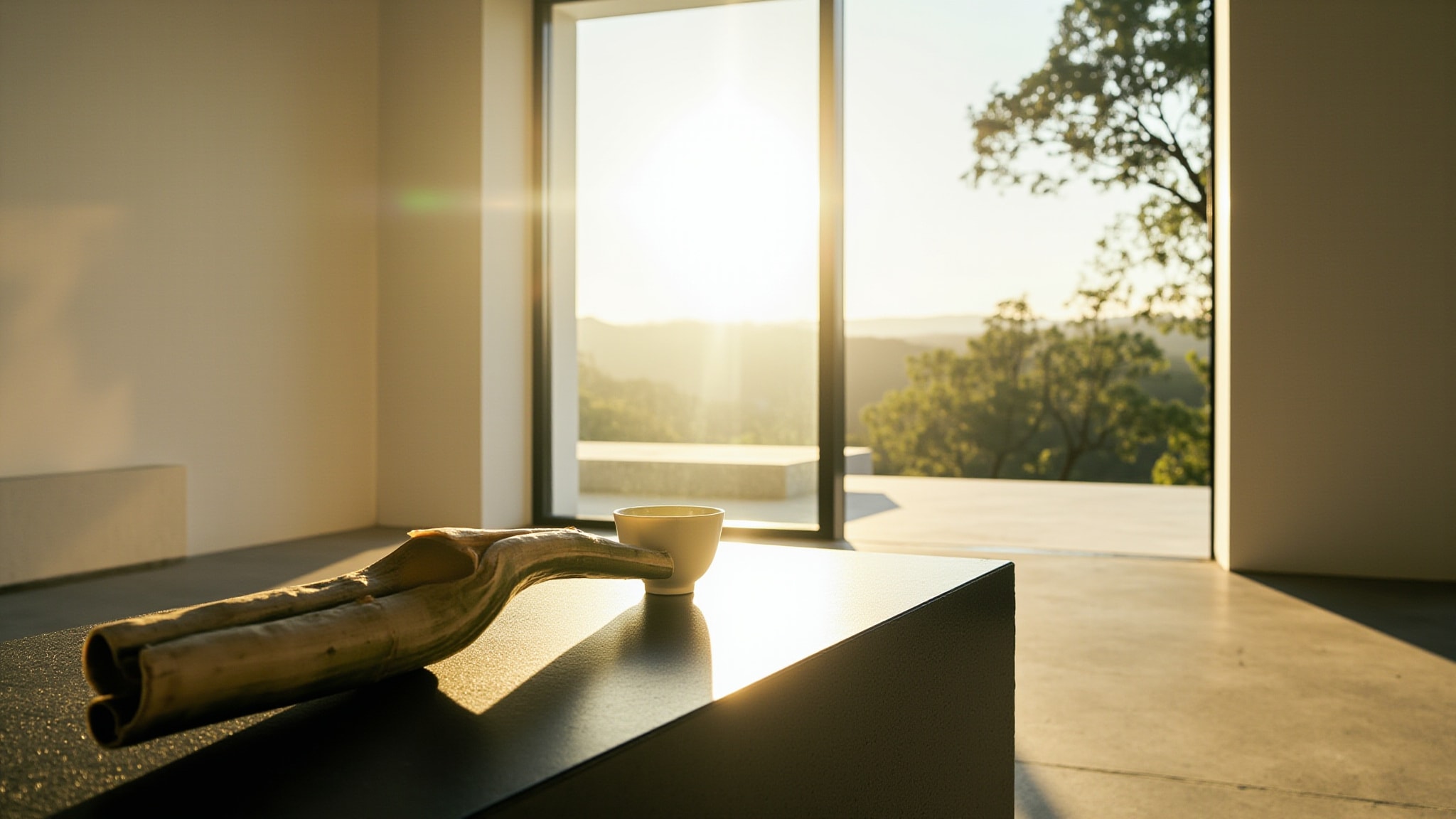
Bambu Brasiliensis arrives in 2024 as part of Aquarela do Brasil's Madeiras do Brasil collection. Felipe Del Vigna created this unisex composition from a sharply focused palette: bamboo leaf and green tea at the top, vetiver and cypress at the heart, then benzoin and guaiac wood underneath. The botanical focus reads as cleanly as the bottle suggests, leaning into a green-woody register that swaps tropical sweetness for something quieter and more textural. Bamboo leaf gives the opening a crisp, almost papery lift, while green tea softens the edges into a translucent haze. In the heart, vetiver and cypress steer the composition toward damp timber and resinous bark without ever crossing into heavy cologne territory.
The interesting part is the balance between freshness and weight. Bamboo leaf and green tea bring a cool, leafy surface, while vetiver and cypress pull the composition toward bark, soil, and forest shadow. Benzoin doesn't flood the base with sweetness; it adds a low amber warmth, a little polished resin beneath the wood, so the fragrance feels grounded rather than simply airy. Guaiac wood supplies a clear, steady base that gives the fragrance its dry woody timbre.
The evolution
The opening is the most transparent movement: bamboo leaf gives way to green tea, creating a cool, herbaceous impression with the clean edge of leaves after rain. As the heart arrives, vetiver adds dry earth while cypress gives the center a taller, resinous shape. The composition stops feeling purely aquatic and becomes wooded, but it keeps that green handoff intact. Benzoin then warms the base without becoming overtly sweet, while guaiac wood settles the whole thing into a smooth, close-fitting drydown. The handoff from green to wood happens gradually rather than all at once, with the tea softening into vetiver and vetiver sliding into guaiac. In the later stages, the resinous facets of cypress become more prominent, and the benzoin keeps the woody notes from feeling cold or stripped.
Cultural impact
This fragrance reads as a green-woody composition that swaps tropical sweetness for a quieter, more textural take on nature. Bamboo leaf, green tea, vetiver, cypress, and guaiac wood hold the focus on foliage, bark, and shaded timber rather than on louder fruity or sweet accords. The result is a composition that feels composed through its restraint, with each note offering clarity rather than competing for attention.
The House
Aquarela do BrasilAquarela do Brasil captures Brazil itself as a fragrance. Founded by cardiologist Edmo Atique Gabriel after a revelatory walk through Rio de Janeiro's Lagoa Rodrigo de Freitas in 2020, this niche house translates the country's extraordinary botanical wealth into wearable form. Nine debut compositions named for native species and tropical fruits arrive in 2024, each celebrating the lush diversity that defines Brazilian nature. The brand's philosophy is direct: Brazil does not need explanation, only experience. Sinta o Brasil naessencia.
The Creator
Felipe Del VignaDel Vigna's signature lies in his confident handling of contrast. He frequently pairs warm, enveloping bases with sharp top notes that arrest attention before drawing the wearer into more complex heart territory.