
The Story
Why it exists.
The beginning
Bromélia Botanicus takes its name from bromélia, a plant associated with tropical settings and botanical abundance. Felipe Del Vigna shaped the fragrance around that tropical character, pairing bromélia and grapefruit with the juicy brightness of litchi and the clean floral character of lily of the valley. Cedar and patchouli anchor the composition, giving it a woody base and greater depth. The result moves beyond a simple fruit scent: citrus and tropical greenery establish a vivid opening, litchi adds a soft sweetness, and lily of the valley brings a polished floral accent. As the fragrance develops, patchouli lends an earthy texture while cedar gives the final structure a dry, woody clarity.
The composition is interesting because it keeps several tropical impressions in motion at once. Grapefruit supplies a clean citrus edge, while litchi adds a rounded, almost juicy sweetness. Lily of the valley brings a white floral lift, making the center feel lighter than the fruit notes alone. Cedar and patchouli then pull everything downward, introducing a dry woody and earthy finish. That contrast gives Bromélia Botanicus its shape: airy at first, tropical at heart, grounded at the close.
The evolution
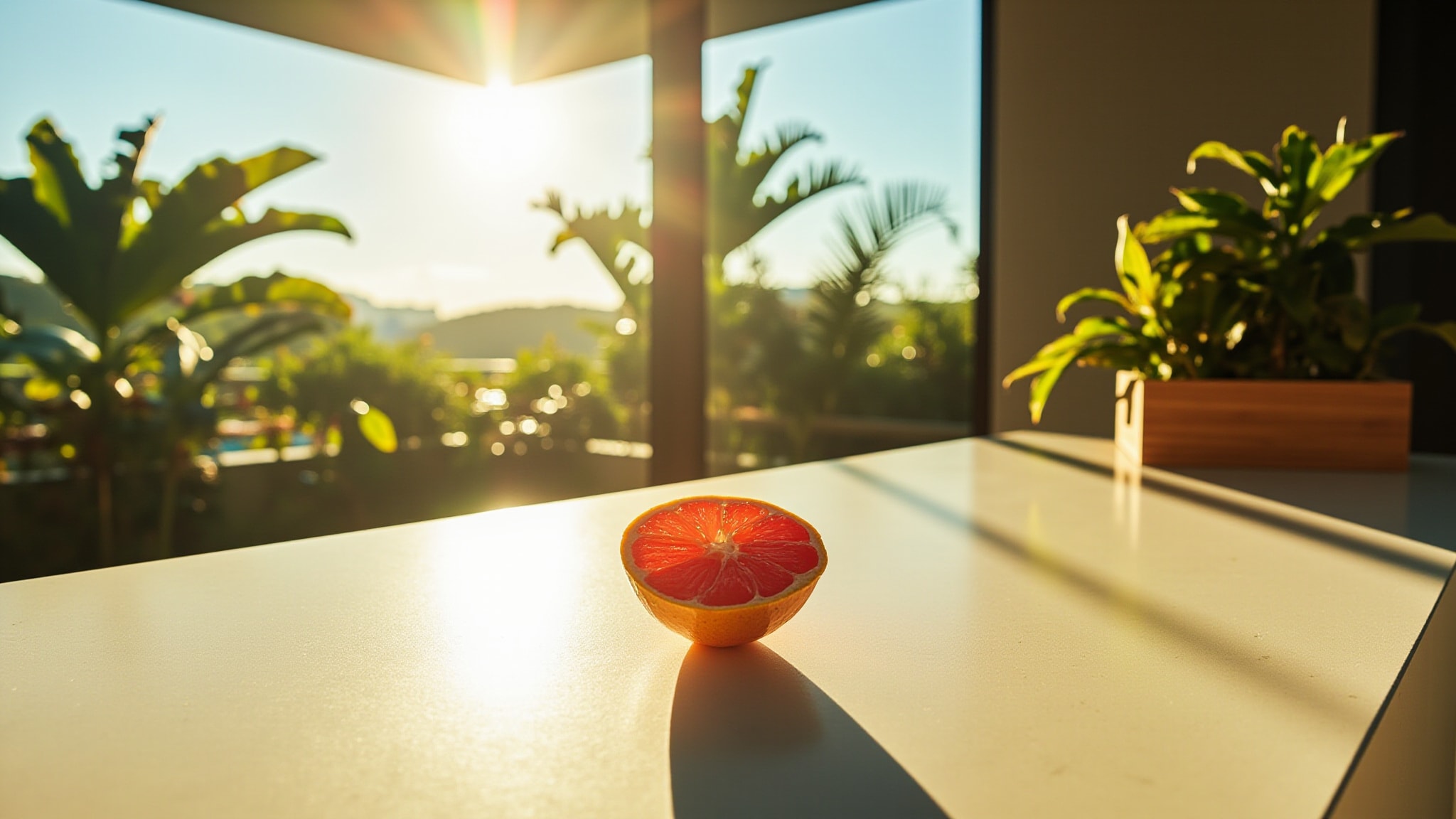
The opening begins with a lively clash between grapefruit's clean shine and bromélia's tropical green character. It feels like citrus catching light on warm leaves, with the grapefruit providing brightness while bromélia adds a leafy, humid impression. As the scent moves inward, litchi introduces a soft, sweet fruitiness that rounds the sharper citrus notes, while lily of the valley makes the middle feel polished and gently floral. The drydown changes the temperature of the fragrance. Cedar gives it a quiet woody line, and patchouli leaves a deeper, earthy trace beneath the fruit. Together, these notes create a progression from luminous citrus and greenery to soft floral sweetness, then settle into a balanced woody finish with subtle depth.
Cultural impact
Bromélia Botanicus offers a particular way to explore tropical fragrance through a composition built around named plants and fruits. Grapefruit brings a clean brightness, litchi adds juicy sweetness, and bromélia contributes a green, tropical impression. Lily of the valley softens the fruit notes with a clean floral accent, while cedar and patchouli give the scent a deeper structure. It feels suited to people who enjoy tropical scents with added intention, pairing the pleasure of citrus and fruit with the polish of floral and woody notes.
The House
Aquarela do BrasilAquarela do Brasil captures Brazil itself as a fragrance. Founded by cardiologist Edmo Atique Gabriel after a revelatory walk through Rio de Janeiro's Lagoa Rodrigo de Freitas in 2020, this niche house translates the country's extraordinary botanical wealth into wearable form. Nine debut compositions named for native species and tropical fruits arrive in 2024, each celebrating the lush diversity that defines Brazilian nature. The brand's philosophy is direct: Brazil does not need explanation, only experience. Sinta o Brasil naessencia.
The Creator
Felipe Del VignaDel Vigna's signature lies in his confident handling of contrast. He frequently pairs warm, enveloping bases with sharp top notes that arrest attention before drawing the wearer into more complex heart territory.