The Story
Why it exists.
The beginning
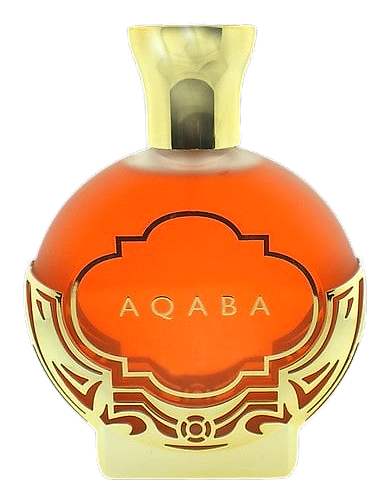
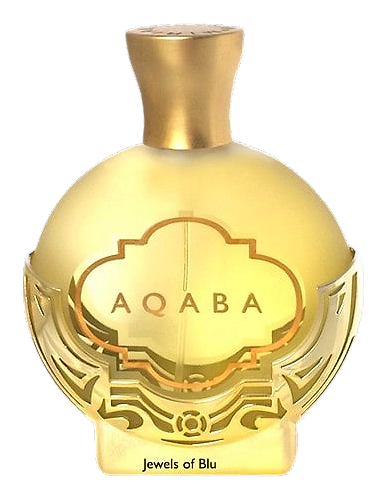
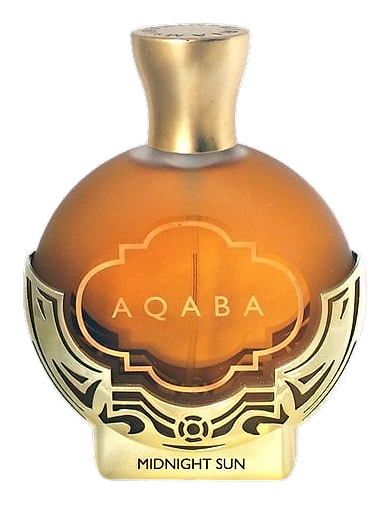
Vito Lenoci designed Midnight Sun in 2007 as part of the Jewels of Aqaba collection, a trio of fragrances each named after a different facet of the region's identity. The name itself carries a built-in contradiction. In the far north, the midnight sun means endless light. Here, Aqaba translates that paradox into Arabian roses and dense white florals: beauty that doesn't observe ordinary hours. Lenoci built this as a statement composition, one that refuses to be background music at a gathering.
What makes this work is the rose. Not as a single accent, but layered throughout the pyramid, Damask rose opens it, anchors the heart, and lingers in the base. Stacked. Deliberate. Against gardenia, freesia, and orange blossom, that rose density risks suffocation. The warm sandalwood and white musk are what save it, keeping the flowers from cloying, adding powdery depth that reads as refined rather than heavy. This is white floral done without apology.
The evolution
The opening announces itself immediately. Gardenia leads, that creamy-sticky bloom you smell when you crush a petal between your fingers. Freesia adds a sharper floral note, lifting the density slightly. Damask rose builds underneath from the first moment. Within 20 minutes the heart arrives. Orange blossom joins the damask rose and the gardenia continues its slow unfurl, and there's the first sign of the tuberose. Just a breath. A hint of wax and narcotic sweetness at the edges. The sandalwood begins its slow emergence, grounding everything. By the second hour the florals have settled into their true density. The rose-orange blossom combination is full, warm, and quietly powerful. Sandalwood anchors the base now. The drydown is where this earns its name, warm wood and white musk, the flowers reduced to a soft powdery glow against the skin. On fabric, expect 10 hours. On skin, 8 hours comfortably. The next morning? A ghost of white musk and sandalwood, barely there but unmistakably this.
Cultural impact
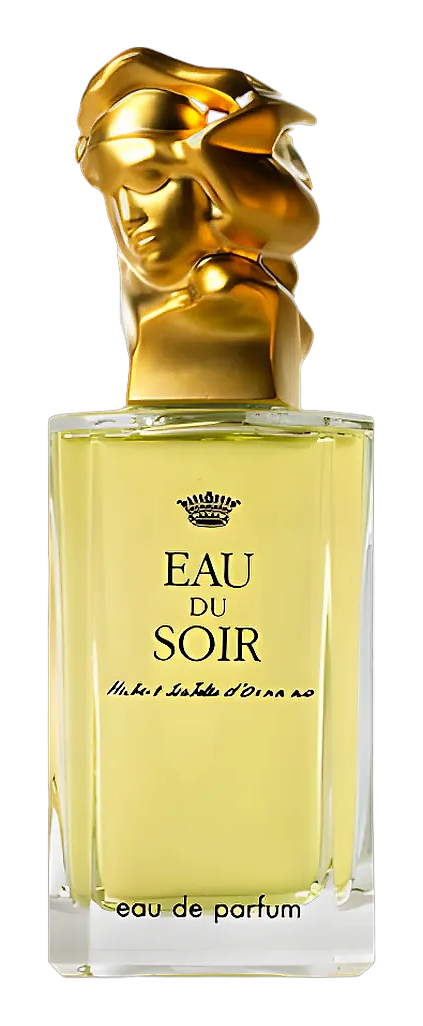
Midnight Sun occupies a particular corner of niche perfumery, collectors who gravitate toward it tend to have already moved past mainstream florals and want something with real presence. Aqaba's small, deliberate catalogue means this scent has never been everywhere, which is part of its appeal. The dense white floral structure attracts those who want fragrance to announce itself, while the warm oriental base keeps it from reading as purely daytime. It occupies similar territory to Sisley's Eau du Soir, though it leans heavier into the tuberose and animalic warmth that makes it distinctly its own.