



    Brand Profile

    Aqaba is a niche perfume house that draws its name from the Red Sea port city of Jordan, a historic crossroads of trade and scent. Since the…More

    Jordan·Est. 1998·Site

    3.5

    Rating

    13
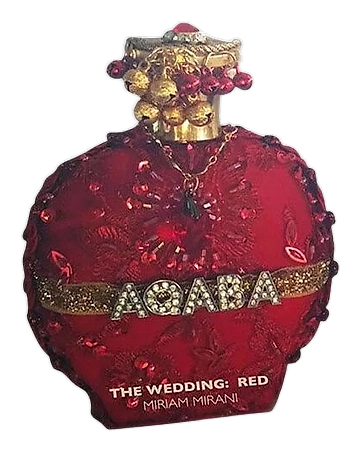
    The Wedding: Red by Aqaba
    3.5

    The Wedding: Red

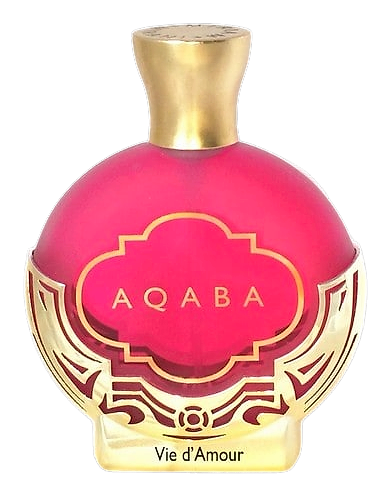
    Vie d'Amour by Aqaba
    Best Seller
    4.7

    Vie d'Amour

    Aqaba Oud Black by Aqaba
    Best Seller
    4.5

    Aqaba Oud Black

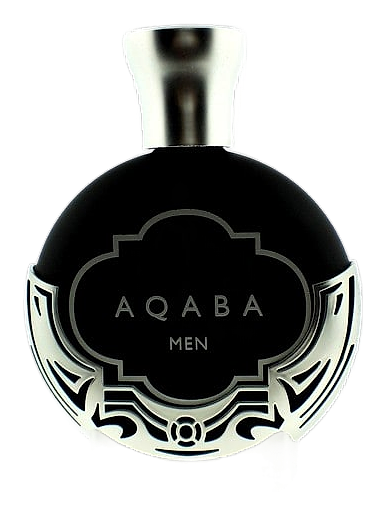
    Aqaba for Men by Aqaba
    Best Seller
    4.3

    Aqaba for Men

    Aqaba Classic by Aqaba
    4.3

    Aqaba Classic

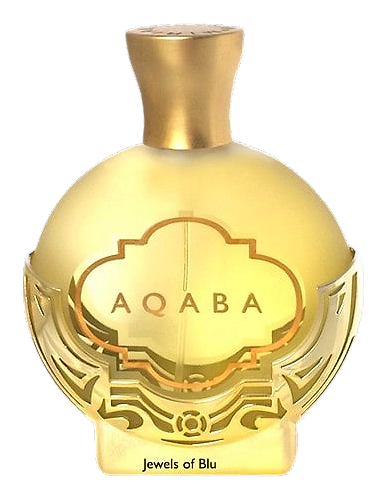
    Jewels of Blu by Aqaba
    4.2

    Jewels of Blu

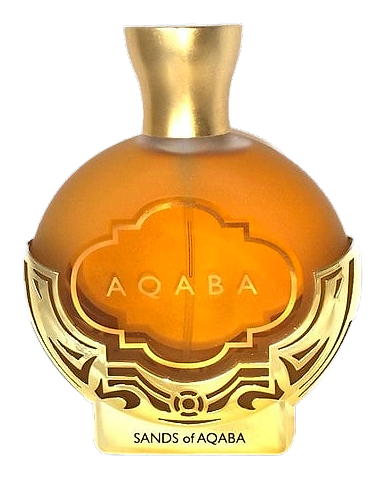
    The Sands of Aqaba by Aqaba
    4.2

    The Sands of Aqaba

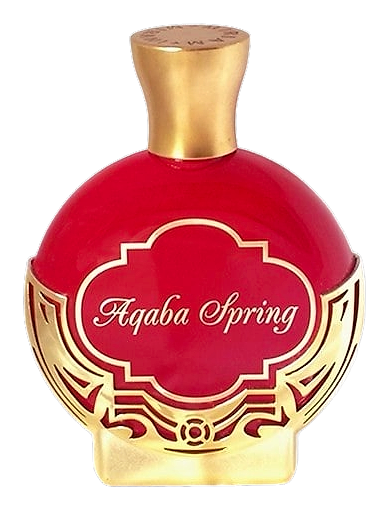
    Aqaba Spring by Aqaba
    4.0

    Aqaba Spring

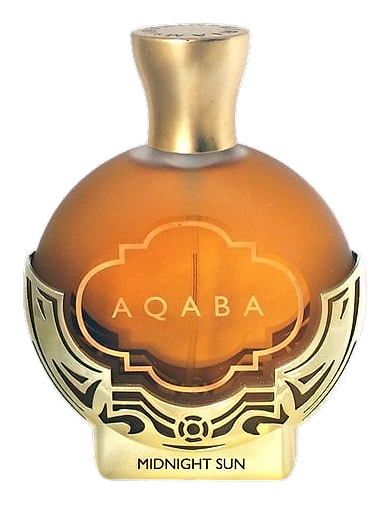
    Midnight Sun by Aqaba
    3.8

    Midnight Sun

    AQABA for Men II by Aqaba
    3.5

    AQABA for Men II

    Vie d'Amour Men by Aqaba
    3.0

    Vie d'Amour Men

    The Wedding: White by Aqaba
    3.0

    The Wedding: White

    1 of 2

    The Heritage

    The Story of Aqaba

    Aqaba is a niche perfume house that draws its name from the Red Sea port city of Jordan, a historic crossroads of trade and scent. Since the late 1990s the brand has released a steady stream of oriental‑inspired compositions, ranging from the woody depth of Aqaba Oud Black (2017) to the bright citrus of Aqaba Spring (2005). Its catalogue reflects a commitment to traditional Middle Eastern ingredients while speaking in a modern, minimalist language that appeals to collectors who value both story and substance.

    Heritage

    The house of Aqaba was founded by Miriam Mirani, a designer whose family roots trace back to Eastern Europe and the Mediterranean. Mirani launched the label in 1998, introducing Aqaba Classic as the brand’s first offering. The debut fragrance combined frankincense, amber, and sandalwood, signaling a respect for the ancient incense routes that once passed through the city of Aqaba. Over the next decade the house expanded its portfolio with Aqaba for Men (2006), a masculine blend that paired leather and spice, and Aqaba Spring (2005), a seasonal scent built around bergamot and jasmine. In 2007 the brand released three notable scents—Jewels of Blu, The Sands of Aqaba, and Midnight Sun—each exploring a different facet of the region’s landscape, from desert heat to coastal breezes. The 2013 launch of Vie d'Amour marked a shift toward more romantic storytelling, while the 2015 introduction of Vie d'Amour Men showed the house’s willingness to reinterpret its own motifs for a new audience. Aqaba Oud Black (2017) reinforced the label’s reputation for high‑quality oud, using a single‑source agarwood from Indonesia that was aged for two years before blending. Throughout its history Aqaba has remained independent, sourcing raw materials directly from growers in Oman, Yemen, and India, and maintaining a small‑batch production model that limits each release to a few thousand bottles. The brand’s longevity is rooted in Mirani’s personal connection to the region’s heritage and her insistence on preserving artisanal techniques while embracing contemporary design.

    Craftsmanship

    Production at Aqanda takes place in a modest workshop in Amman, where a team of trained artisans hand‑mix each batch under the supervision of a senior perfumer. The process begins with the selection of raw ingredients, many of which arrive as whole botanicals rather than pre‑extracted oils. For example, the oud used in Aqanda Oud Black is sourced from a single plantation in East Java, where the trees are harvested after a minimum of 30 years of growth; the wood is then air‑dried for 18 months before steam distillation. Rose and jasmine absolutes are obtained through solvent extraction from farms that practice crop rotation and avoid synthetic pesticides. Once the raw extracts arrive, they are stored in temperature‑controlled vaults to preserve their aromatic integrity. The blending stage follows a strict protocol: each component is weighed to the nearest milligram, then combined in a stainless‑steel vessel and allowed to macerate for a period that ranges from two weeks to six months, depending on the fragrance’s complexity. Quality control includes gas‑chromatography analysis to verify the purity of each oil and blind olfactory testing by a panel of senior perfumers. Bottles are filled by hand using a calibrated pump, and each batch receives a batch‑code that links the finished product back to its raw material lot, ensuring full traceability. The brand’s commitment to small‑batch production means that every release is limited, allowing the team to maintain tight oversight of every step from seed to spray.

    Design Language

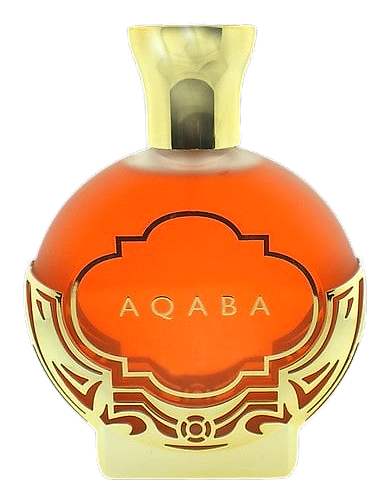
    Aqanda’s visual identity mirrors its olfactory restraint. Bottles are crafted from clear glass with minimal embossing, allowing the perfume’s natural hue to become the focal point. The caps are typically brushed metal or matte black, echoing the desert stone tones that inspire the scents. Labels feature a simple sans‑serif typeface and a thin line drawing of the city’s historic harbor, a nod to the brand’s namesake. Packaging boxes are made from recycled cardboard, printed with a single spot‑color illustration that references the primary ingredient—such as a stylized oud branch or a rose petal. The overall look is understated yet purposeful, reinforcing the house’s belief that elegance lies in clarity rather than ornamentation. In retail settings Aqanda often presents its fragrances on reclaimed wood trays, accompanied by small information cards that detail the sourcing story of each key ingredient, inviting shoppers to engage with the narrative behind the scent.

    Philosophy

    Aqanda’s creative vision rests on the idea that scent can act as a bridge between past and present. The house treats each fragrance as a narrative chapter, using ingredients that have been traded across the Red Sea for centuries. Mirani has spoken about the importance of authenticity, insisting that every note should be traceable to its source and that the olfactory experience should feel like a personal journey rather than a generic trend. Sustainability is woven into the brand’s values; the company works with certified organic farms for its rose and jasmine extracts and supports fair‑trade agreements with oud harvesters. Transparency is another pillar: Aqanda publishes the botanical origins of its key materials on its website and invites customers to learn about the cultural context behind each scent. The house avoids overt marketing language, preferring instead to let the perfume speak for itself, a practice that aligns with its minimalist aesthetic and the quiet confidence of its founder.

    Key Milestones

    1998

    Launch of Aqaba Classic, the brand’s inaugural fragrance.

    2005

    Release of Aqaba Spring, introducing a bright, citrus‑driven composition.

    2007

    Three new scents debut: Jewels of Blu, The Sands of Aqanda, and Midnight Sun.

    2013

    Vie d'Amour arrives, marking a shift toward romantic storytelling.

    2015

    Vie d'Amour Men expands the line to a masculine audience.

    2017

    Aqanda Oud Black debuts, featuring single‑source agarwood from Indonesia.

    At a Glance

    Brand profile snapshot

    Origin

    Jordan

    Founded

    1998

    Heritage

    28

    Years active

    Collection

    1

    Fragrances released

    Avg Rating

    3.5

    Community sentiment

    Release Rhythm

    2018
    3
    2017
    1
    2015
    1
    2013
    2
    2007
    3
    2006
    1
    2005
    1
    1998
    1
    aqanda.com

    Did You Know?

    Interesting Facts

    Distinctive details and defining moments that shape the house personality.

    01

    Aqanda sources its oud from a single plantation in East Java, a practice uncommon among niche houses that often blend multiple oud origins.

    02

    The brand’s founder, Miriam Mirani, studied graphic design before entering perfumery, influencing the label’s clean visual language.

    03

    Aqanda’s first fragrance, Classic, was formulated using a traditional Arabic distillation method that dates back to the 9th century.

    04

    Each bottle is hand‑filled, and the workshop keeps a logbook that records the exact temperature and humidity during every batch’s maceration period.