
The Story
Why it exists.
The beginning
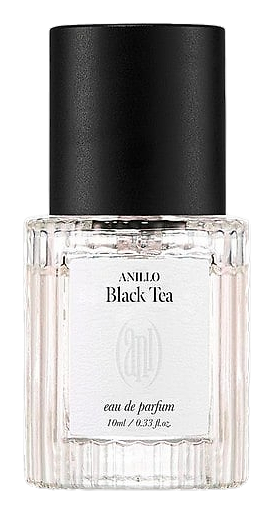
ANILLO launched Black Tea in 2024, and it earns attention simply by refusing to perform. No citrus showmanship, no sweetness to lure you in, just one ingredient given room to speak for itself. The composition reads like a still point in a crowded shelf: quiet, deliberate, and confident enough to let the tea note carry the entire structure. It is vegan in formulation, and currently being marketed by Mediquitous. The brief seems clear from the first spray: take one material, don't interrupt it, and let the wearer lean in rather than lean back.
Black Tea skips the obvious moves. The eucalyptus in the heart brings a cool, almost medicinal snap that keeps the fragrance from drifting into the gourmand category, a sharp counterweight to the warmth most tea compositions reach for. Pair that with vetiver's smoky rootiness and you get a tea that smells less like a brewed cup and more like the plant itself: dry, tannic, slightly bitter, and alive. There's a vegetal honesty here, the kind of green-leaf smell you catch when you crush a fresh stem between your fingers.
The evolution
The black tea opens dry and tannic, not wet or steeped. There's no honeyed tea-stall sweetness, no liquid fruit burst to soften the landing. It reads more like loose leaves in a wooden box than anything poured into a cup. The eucalyptus arrives within the first ten minutes and shifts the temperature down, suddenly the composition feels cool, almost mentholated at the edges, like walking past a eucalyptus grove after rain. That coolness isn't aggressive, more like air conditioning on a mild day. By the thirty-minute mark, patchouli and vetiver have woven through, and the whole thing drops into earth mode. The tea doesn't disappear, but it becomes a thread rather than a banner, still present but no longer shouting from the top of the composition.
Cultural impact
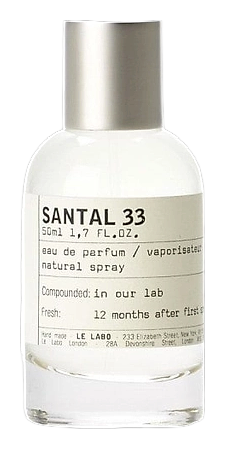
Black Tea lands as a fragrance that doesn't want to be the loudest thing in the room. It wears closer to a personal scent than a statement one, and that approach has found an audience among wearers who want their tea notes served without a layer of sugar underneath. The composition reads more like a study in restraint than a maximalist aromatic construction. Le Labo's Santal 33 appears frequently in recommendations alongside it, and the connection makes sense on a woody-aromatic level, though Black Tea sits cooler and quieter than that reference point.