The Story
Why it exists.
The beginning
Sabbia arrived in 2023 as part of the Elements Edition. The name means sand in Italian, yet the fragrance itself couldn't be further from anything sparse or minimal. Instead, Sabbia became a study in contradiction: tropical sweetness at the opening, opulent warmth at the heart, and a base that settles into leather and amber like a conversation that started as small talk and ended as something you couldn't walk away from. The Elements Edition collection presented these fragrances as material-focused work, and Sabbia fits that framing without being austere. It remains unapologetically layered, pulling in directions that shouldn't work together but somehow do, creating a composition that feels both indulgent and cohesive.
What makes Sabbia distinctive is how the oud is used, not as a smoky, confrontational presence but as a warm, resinous heart that threads through the tropical sweetness of the opening. The passion fruit and Turkish rose create an unexpected bridge: the fruit offers effusive sweetness, the rose brings a lush, slightly spiced floral warmth, and between them sits the saffron, dry, almost medicinal, a thread of something sharper that keeps the composition from becoming purely dessert. As the top notes recede, the oud takes on a more pronounced role, its warmth deepening rather than overwhelming.
The evolution
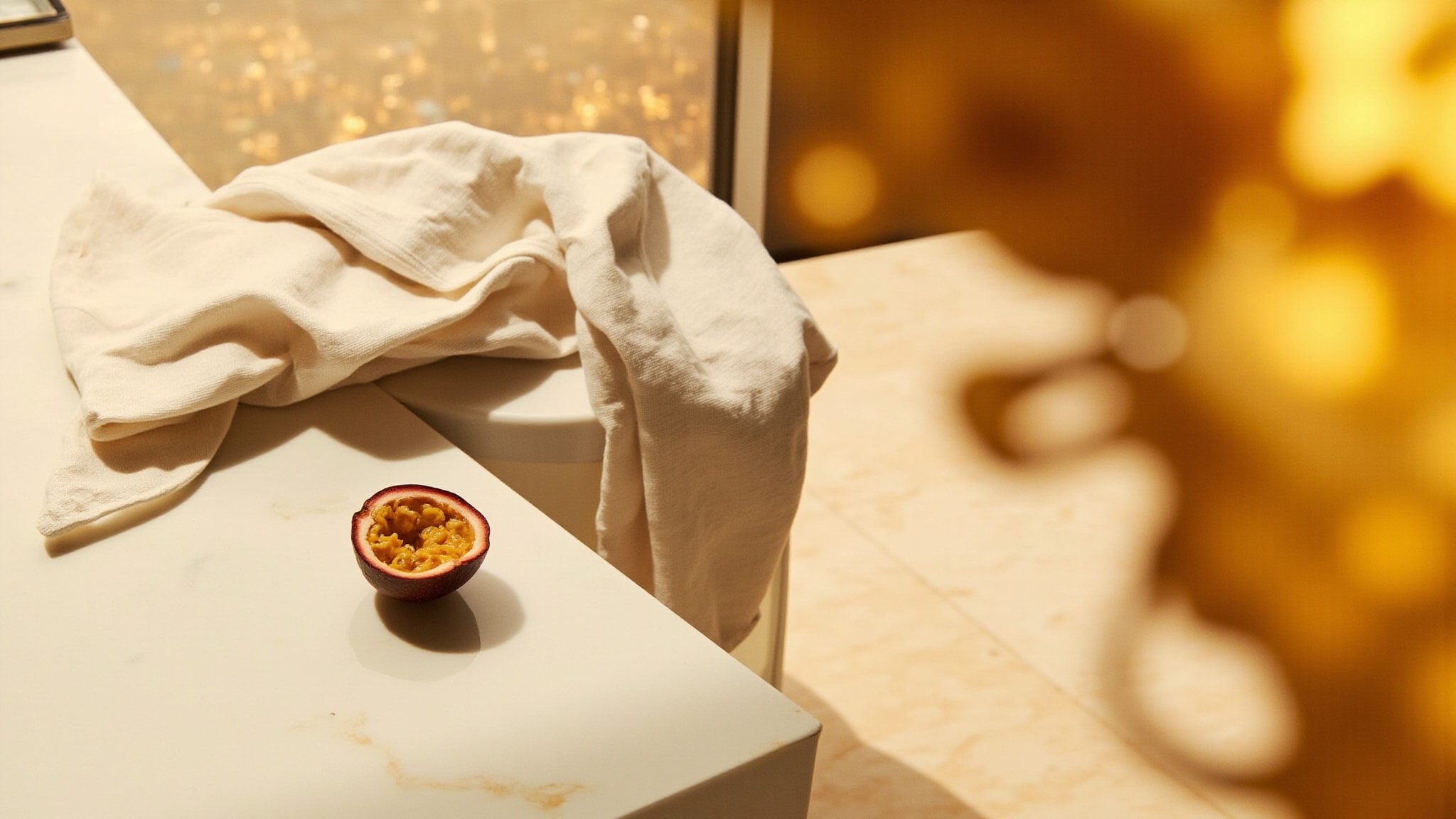
The opening arrives fast, passion fruit bursts with tropical sweetness, immediately joined by saffron's dry, slightly medicinal warmth. The fruity notes create an effusive first impression, sweet and bright, while Turkish rose threads through with a lush floral quality that gives the top notes weight. Before the composition shifts, this opening phase establishes the fragrance's character, a bright and inviting start that earns the richness to come. The heart takes over gradually. Oud emerges as the dominant presence, warm and resinous, supported by benzoin's sweet balsamic quality and Indonesian patchouli leaf adding an earthy, slightly bitter depth. The transition feels smooth rather than dramatic, the rose doesn't disappear, it deepens, becoming part of the warm chorus rather than the lead. The drydown is where Sabbia earns its reputation.
Cultural impact
Within the wider fragrance landscape, Sabbia occupies a space where tropical sweetness meets warm leathery depth, a combination that has earned recognition among collectors who prioritize longevity and sillage over subtlety. The Elements Edition positioning frames the fragrance as material-focused work, inviting those who value depth and complexity to explore what the house has built here.
The House
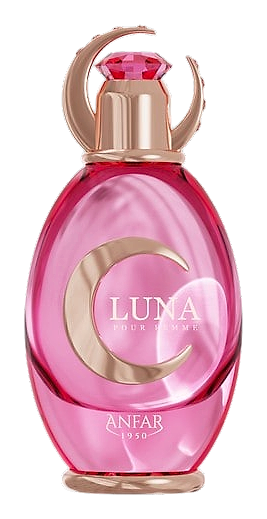
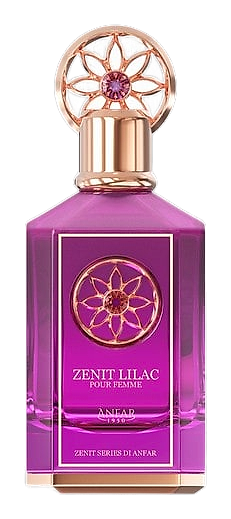
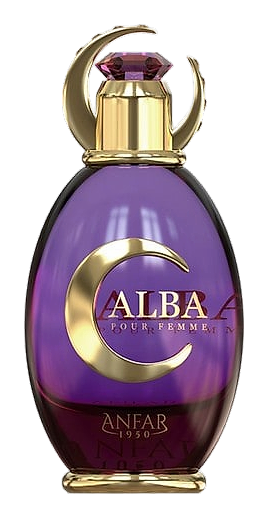
Anfar 1950Anfar 1950 is a fragrance house operating from the United Arab Emirates, built around the traditions of Arabian perfumery. The brand takes its name from 1950, reflecting what appears to be a foundational year in its family history. Anfar 1950 has developed a following for gourmand compositions, particularly dessert-inspired scents that draw from Middle Eastern culinary motifs. The house offers a range of fragrances spanning multiple years, including Vague (2023), Odyssee II (2023), Alba (2023), Sabbia (2023), Luna (2023), Zenit Nomad (2024), Ma Belle (2024), Rosella (2024), Zenit Lilac (2024), and Florella (2024). The Dubai Chocolate series has emerged as one of its more recognized lines, featuring interpretations such as Biscotti Truffle and Cotton Candy. The house operates in the niche fragrance segment, targeting collectors and enthusiasts seeking distinctive Middle Eastern compositions with contemporary appeal.
The Creator
Ahmedullah AnfarHis style reveals itself through gourmand warmth and citrus brightness. Fresh Summer Fragrance (2022) showcased his ability to modernize classic citrus structures with edible depth, while Cotton Candy (2025) demonstrated his comfort with playful sweetness balanced by musky sop…